 Monterrey Travel Guide - Mexico's Mountain-Ringed Powerhouse
.
Travel Notes: Destinations: North America: Mexico - Monterrey Travel Guide.

Short URL: https://tnot.es/MTY
Travel Guide For Visitors to Monterrey
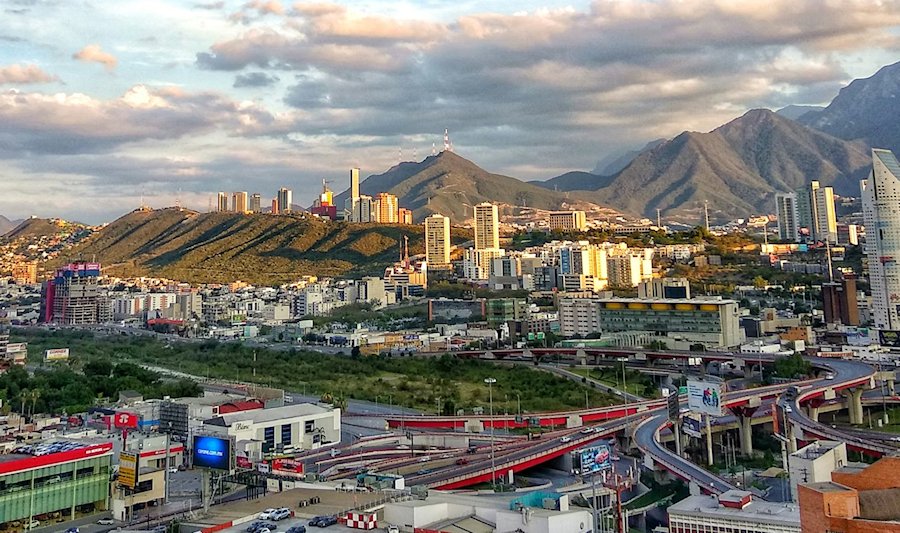
The Cerro de la Silla mountain watches over Monterrey like a natural saddle against the sky, and below it, Mexico's third-largest city pulses with an energy that catches most visitors off guard.
Steely Reputation
This isn't the Mexico of beach resorts and colonial squares; Monterrey built its reputation on steel, commerce, and a fierce independent streak that's shaped everything from its cuisine to its contemporary art scene.
Visiting Monterrey
Wedged between the Sierra Madre Oriental mountains, Monterrey combines urban sophistication with outdoor adventure in ways few Mexican destinations can match.
You'll find world-class museums funded by industrial dynasties, canyons that slice through limestone cliffs minutes from downtown, and a food culture so distinct that locals will happily debate the superiority of their cabrito (roasted kid goat) and flour tortjust as fiercely as they support their beloved Rayados football club.
2026 World Cup Host City
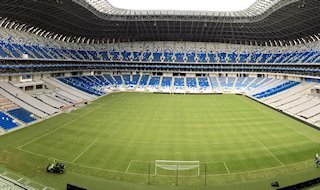
The third-largest city in Mexico combines modern business culture with outdoor adventures; the Cerro de la Silla mountain providing a stunning backdrop.
2026 World Cup Finals in Canada, Mexico and USA.
Why Visit Monterrey?
Monterrey operates at a different frequency to tourist-heavy Mexican cities.
The metropolitan area houses over five million people, most of whom are here for business rather than margaritas.
This working-city atmosphere means you'll experience authentic urban Mexican life without the filter of tourism infrastructure.
The surrounding mountains create a dramatic backdrop and provide genuine adventure opportunities.
Within thirty minutes of the city centre, you can be hiking through cloud forests, exploring caves, or climbing routes that draw enthusiasts from across Latin America.
The city's wealth, generated through industry and as headquarters to several of Mexico's largest corporations, has funded cultural institutions that rival anything in Mexico City.
The Museum of Contemporary Art of Monterrey and the Museo del Acero Horno 3 steel museum occupy opposite ends of the cultural spectrum; both worth your time.
When to Visit Monterrey
March to May offers the most comfortable weather before the brutal summer heat arrives.
Temperatures hover around 25-30°C, and you can tackle outdoor activities without melting.
The jacaranda trees bloom purple across the city in spring.
October to November provides another pleasant window after the summer furnace cools down.
Autumn temperatures make exploring the city and surrounding mountains far more bearable.
June to September brings intense heat; we're talking 35-40°C regularly, and occasional heavy rainfall.
Unless you're comfortable with extreme temperatures, this isn't ideal for sightseeing.
Air conditioning becomes less of a luxury and more of a necessity.
December to February sees cooler weather, with temperatures ranging from 10-20°C.
You might need a jacket for evenings, but days remain sunny and pleasant for outdoor activities.
Getting to Monterrey
Monterrey International Airport (MTY) sits 24km north-east of the city centre and connects to major US cities (Houston, Dallas, Atlanta), Mexican destinations, and limited international routes.
Airport Transport
Authorised taxi services cost 350-450 pesos to downtown hotels.
Car rental agencies cluster in the arrivals area, if you're planning to explore beyond the city.
Metrobús Line 1 connects directly to the city centre for around 10 pesos; the cheapest option if you're travelling light.
Uber and ride-sharing operate legally and typically cost 250-350 pesos to central areas.
Overland travel brings you into the Central de Autobuses, the main bus terminal on the northeast edge of the city.

Major bus companies like Omnibus de México, ETN, and Grupo Senda connect Monterrey to destinations across northern and central Mexico.
The journey from Mexico City takes 11-12 hours overnight.
Driving from the US border takes a little under three hours from Laredo, Texas, via Highway 85.
Many visitors fly into Texas airports and drive down, particularly those from southern US states.
What to See and Do in Monterrey
Macroplaza (Gran Plaza)
One of the world's largest public squares stretches 40 hectares through downtown, connecting multiple museums, government buildings, and monuments.
The plaza took shape in the 1980s when authorities demolished four blocks of colonial architecture; a controversial decision that created this massive civic space.
The Faro del Comercio (Lighthouse of Commerce), an orange concrete tower designed by Luis Barragán, rises from the plaza's centre.
You can ascend for city views, though the tower itself draws more attention for its brutalist architecture than panoramic vistas.
The plaza provides a logical starting point for exploring downtown, with several museums radiating from its edges.
Locals gather here for weekend markets, concerts, and people-watching.
MARCO (Museo de Arte Contemporáneo de Monterrey)

Ricardo Legorreta's striking red and terracotta building houses one of Latin America's most respected contemporary art museums.
The collection focuses on Mexican and Latin American artists from the 1950s onwards, with rotating exhibitions that bring international contemporary work to Monterrey.
The museum's permanent collection includes pieces by Rufino Tamayo, Francisco Toledo, and other major Mexican modernists.
Recent exhibitions have showcased everything from video installations to traditional sculpture.
Entry costs around 80 pesos, with free admission on Wednesdays.
The museum shop stocks art books and design objects you won't find elsewhere in the city.
Museo del Acero Horno 3

This decommissioned blast furnace from the Fundidora steel mill has been converted into an impressive industrial archaeology museum.
The scale of the machinery overwhelms; the furnace produced steel for decades before the mill's closure in 1986 triggered Monterrey's economic diversification.
The museum sits within Parque Fundidora, a larger green space converted from the old steel mill grounds.
Audio guides walk you through the steel-making process while you navigate catwalks around the massive furnace structure.
Interactive exhibits explain how Monterrey evolved from agricultural centre to industrial powerhouse during the 20th century.
Entry costs approximately 100 pesos.
Parque Fundidora
The 142-hectare park occupies the former Fundidora steel mill site, transformed into Monterrey's premier urban green space.
Beyond the steel museum, the park contains walking and cycling paths, lakes, concert venues, and several other attractions.
The Paseo Santa Lucía artificial riverwalk runs 2.5km from the park to the Macroplaza, offering boat rides past gardens and public art installations.
The journey takes 35-40 minutes and costs around 50 pesos.
Museo del Palacio houses regional history exhibits in a restored government palace building near the Macroplaza's south end.

The museum traces Nuevo León state history from pre-Hispanic times through the revolution and into modernity.
Entry is free.
Barrio Antiguo
The oldest neighbourhood survives north of the Macroplaza, where colonial-era buildings house art galleries, craft shops, antique stores, and an increasing number of bars and restaurants.
Thursday through Saturday evenings see the streets fill with locals heading to music venues and clubs.
Sunday mornings bring a different crowd to the Tianguis del Barrio Antiguo, where vendors sell antiques, vintage clothing, vinyl records, and handicrafts.
The market attracts collectors and browsers looking for Mexican folk art and unusual finds.

Several cultural institutions call the Barrio home, including the Casa de la Cultura de Nuevo León and various artist studios that open for quarterly gallery nights.
Cerro de la Silla
The saddle-shaped mountain defines Monterrey's eastern skyline and provides hiking opportunities for those willing to tackle a challenging climb.
Several routes lead to different peaks, with the main trail taking four to five hours, round trip.
Come prepared with plenty of water, sun protection, and decent hiking footwear.
The trail gains significant elevation through desert scrub and cacti, with little shade.
Early morning starts help you avoid the worst heat and afternoon thunderstorms during summer months.
The summit rewards your effort with 360-degree views across Monterrey's sprawl and the surrounding Sierra Madre mountains.
Parque Ecológico Chipinque
This ecological park sits 15km south of downtown in the San Pedro area, offering cooler temperatures and pine-oak forest hiking trails.
The park entrance sits at 1,200m elevation, climbing to over 2,000m at its highest trails.
Ten marked trails range from easy thirty-minute walks to challenging four-hour hikes.
The Mesa Chipinque trail provides excellent city views without excessive difficulty.
Mountain biking routes crisscross the park, and rock climbing spots attract experienced climbers.
Entry costs approximately 40 pesos.
The park restaurant serves decent Mexican food with views over the valley.
Weekends bring family groups from Monterrey escaping city heat.
Cascada Cola de Caballo
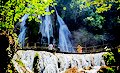
This waterfall south of Santiago drops 27 metres down a cliff face, fed by mountain springs.
The 40km drive from Monterrey takes you through dramatic mountain scenery and past the town of Santiago, known for its apple orchards.
The waterfall flows strongest during and after the rainy season (June-October).
By late spring, it sometimes reduces to a trickle.
A paved path leads to viewing areas, and horseback rides can take you higher into the canyon.
Entry to the waterfall area costs around 30 pesos, with additional charges for parking.
Food stalls near the entrance sell snacks and drinks.
Grutas de García
These limestone caves sit 1,750m above sea level, 40km north-west of Monterrey.
A cable car carries visitors from the base station up the mountainside; the ride itself provides dramatic views across the valley.
Inside, guided tours (included in the admission price) lead you through illuminated caverns filled with stalactites, stalagmites, and other rock formations.
The largest chamber, La Octava Maravilla, rises to cathedral-like proportions.
The caves maintain a cool temperature year-round, making them a popular escape during summer.
Tours run in Spanish, though guides usually accommodate English speakers.
Where to Stay in Monterrey
Barrio Antiguo (Old Quarter) sits adjacent to the Macroplaza and offers the most atmospheric accommodation options.
Colonial buildings house boutique hotels, and you're within walking distance of museums, restaurants, and nightlife.
Streets get lively on weekends when bars and clubs fill with locals.
Downtown/Centro around the Macroplaza puts major sights within walking distance and offers the most budget-friendly accommodation.
Some areas feel less polished after dark, though the main tourist zones remain safe.
San Pedro Garza García represents Monterrey's wealthy suburb, where international hotel chains operate alongside upscale shopping centres.
The area feels sanitised compared to central Monterrey but offers excellent dining and entertainment options.
Staying here means relying on taxis or Uber to reach central attractions.
Valle Oriente provides another upscale option, popular with business travellers for its modern hotels and proximity to corporate offices.
Shopping and dining options cluster around the Paseo La Fe development.
Zona Tec surrounds the prestigious Tec de Monterrey university and caters to business travellers and younger crowds.
Mid-range hotels and serviced apartments cluster here, with good restaurant options and metro access.
Tourist Map of Monterrey
Use the Tourist Map of Monterrey to help you decide where to stay in Monterrey based on travel budget, preferred location, planned must-see attractions and local must-do activities.
Where to Eat and Drink in Monterrey
Monterrey's food scene revolves around northern Mexican specialties that differ markedly from food in central and southern Mexico.
Flour tortillas replace corn, beef dominates menus, and grilled meat culture runs deep.
Regiomontano Specialties
Cabrito (roasted baby goat) represents Monterrey's signature dish.
Restaurants across the city specialise in this preparation, slow-roasting whole kids until the meat falls from the bone.
El Rey del Cabrito (Constitución 817-Oriente) ranks among the most traditional spots, though almost every neighbourhood has its local favourite.
Carne asada here means something specific; thin cuts of beef marinated and grilled, typically served with grilled onions, peppers, and fresh flour tortillas.
Weekends see families gathering for carne asada cookouts, and the city's many taquería serve it throughout the week.
Flour tortillas from Monterrey achieve near-legendary status across Mexico.
Made fresh and often served still warm, they're thicker and more substantial than versions elsewhere.
Tortillería shops dot every neighbourhood.
Machacado consists of dried, shredded beef rehydrated and scrambled with eggs for breakfast.
This preserved meat dates back to pre-refrigeration days and remains a morning staple.
Where to Eat
El Lingote within the Horno 3 museum combines museum dining with serious food.
The menu focuses on northern Mexican dishes with occasional international influences.
Gran Pastor specialises in tacos arabes (shawarma-influenced pork tacos on pita-like tortillas), a Pueblan import that found eager fans in Monterrey.
La Nacional (Av San Jerónimo 1106) occupies a restored 1920s tile factory in the Fundidora area, serving updated Mexican classics in a stunning industrial space.
The mole dishes and grilled fish earn consistent praise.
Mercado Juárez downtown provides budget-friendly authentic eating.
Multiple fondas (food stalls) serve breakfast and lunch, with most dishes costing 70-100 pesos.
Pangea (Av. del Roble 660) in San Pedro represents fine dining at its most ambitious, with tasting menus that reinterpret northern Mexican ingredients through contemporary technique.
Reservations essential; expect to pay 1,500+ pesos per person.
Taquería Orinoco operates several locations serving outstanding tacos al pastor and other Mexico City-style preparations.
Locals queue for late-night tacos after clubbing.
Craft Beer and Cocktails
A growing craft beer scene has emerged over the past decade.
Monterrey's beer culture extends beyond the massive Cuauhtémoc Moctezuma brewery (which produces Tecate, Carta Blanca, and Dos Equis).
Almacén 42 (José María Morelos 852) offers craft cocktails and beer in a converted warehouse space, popular with the after-work crowd.
Barrio Antiguo bars range from traditional cantinas to modern cocktail lounges.
Thursday through Saturday sees the area packed with locals bouncing between venues.
Primus Cervecería operates a brewpub in Barrio Antiguo with rotating taps of their own beers plus guest breweries.
Puck Maberick in San Pedro serves craft beer alongside wood-fired pizzas in a casual atmosphere.
Day Trips From Monterrey
Monterrey serves as a base for exploring Nuevo León state.
Santiago offers colonial architecture and apple orchards, while the mountain town of Arteaga provides cool pine forests and camping opportunities.
The Cumbres de Monterrey National Park protects extensive mountain wilderness for serious hiking and climbing.
Getting Around Monterrey
The city sprawls across a wide valley, making some form of transport essential for most visitors.
Metrorrey

Metrorrey operates two metro lines and three light rail lines that cover major areas.
Line 2 connects many tourist sites, running from General Anaya through the Macroplaza area to San Bernabé.
Ecovía and Transmetro
Ecovía and Transmetro bus rapid transit lines complement the metro system, extending reach to neighbourhoods the metro doesn't serve.
Uber and DiDi
Uber and DiDi dominate ride-sharing and work reliably across the metropolitan area.
Most locals use these services, and they're generally safer and more convenient than hailing street taxis.
Walking
Walking works well in specific zones; the Macroplaza area, Barrio Antiguo, and Valle Oriente shopping district, but the city wasn't designed with pedestrians in mind.
Summers make walking particularly challenging.
Car rental makes sense if you're planning day trips to Cascada Cola de Caballo, Santiago, or the mountain areas.
Traffic congestion can be fierce during rush hours, and parking in central areas requires patience.
Practical Information for Visitors to Monterrey
Climate
Summers are brutally hot (35-40°C) with intense sun.
Winters are mild but can see cold snaps.
Rain falls mainly July-September, often as afternoon thunderstorms.
Pack accordingly and always carry water when walking around.
Internet
Most hotels, restaurants, and cafes offer WiFi.
Mobile coverage is excellent across the city, and Mexican SIM cards work in unlocked phones if you need local data.
Language
English proficiency varies.
Major hotels and some restaurants in San Pedro have English-speaking staff, but learning basic Spanish phrases helps considerably.
Monterrey receives fewer international tourists than beach destinations, so assuming everyone speaks English will prove frustrating.
Money
ATMs are widespread, and credit cards are accepted at most hotels, restaurants, and shops.
Carry cash for street food, markets, and transportation.
US dollars are sometimes accepted but exchanging for pesos gets better rates.
Safety
Monterrey experienced significant cartel violence during 2010-2012 but has stabilised considerably.
Tourist areas and middle-class neighbourhoods remain safe for visitors using common sense.
Avoid flashing expensive items, use official taxis or ride-sharing rather than street taxis, and stay aware of your surroundings.
To be on the safe side, ask hotel staff about areas to avoid after dark.
Visitors to Monterrey
Monterrey won't charm you with colonial architecture or seduce you with beach sunsets, but this working city offers substance over style; mountains for climbing, food worth travelling for, and museums that justify their international reputations.
The city gets on with business while providing everything adventurous travellers need, minus the tourist infrastructure that can sanitise Mexican destinations into predictability.
More City Travel Guides
Cities in Africa - Cities in America - Cities in Asia - Cities in Australasia - Cities in Latin America - European Destinations - Middle East.



|
|
More From Travel Notes
Travel Notes Online Guide to Travel
Africa - Asia - Caribbean - Europe - Middle East - North America - Oceania - South America.

The Travel Notes Online Guide to Travel helps visitors plan their trip with country and city travel guides, local tourist information, reviewed web sites, and inspiring travel content.
Travel Collaborations
Where travel creators, brands, and tourism partners connect and collaborate on real campaigns.

Travel Collaborations is a TravelNotes.org inspired B2B Network connecting content creators and digital nomads with travel destinations, hotels, and tourism brands looking for authentic storytelling on real campaigns.
Travel Resources

.
Travel & Tourism With Industry Professionals.

During 40 years of travel & living abroad Michel has visited some 120 countries, 220 UNESCO Heritage Sites and 100+ World Heritage Cities.

 Add a Business Listing -
Add a Location -
Add a Lodging - Add Travel Content
- Add URL
- Travel Services.
Add a Business Listing -
Add a Location -
Add a Lodging - Add Travel Content
- Add URL
- Travel Services.
