 Patagonia Travel Guide - Wild Adventures at the End of the World
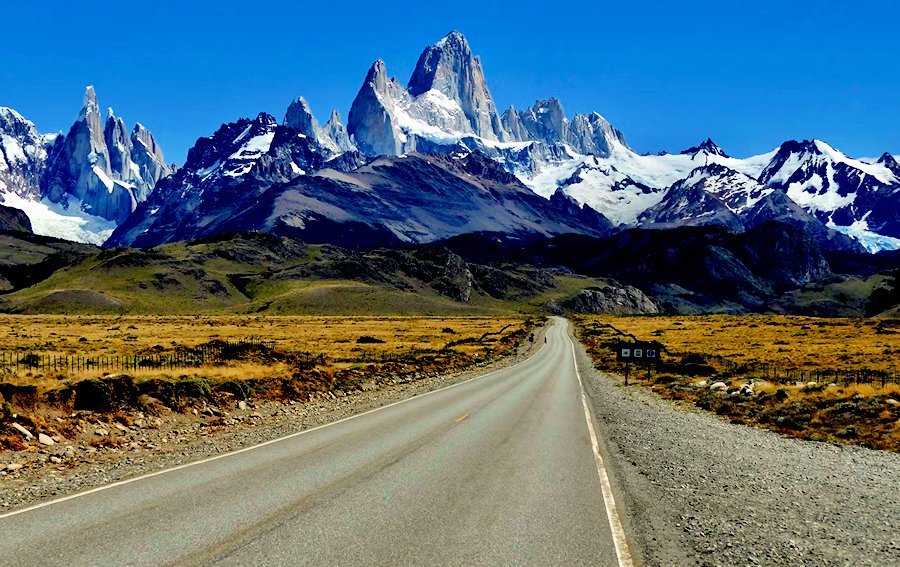
.
Travel Notes: Destinations: South America: Argentina-Chile - Patagonia Travel Guide > Patagonia Tours & Trips.

Short URL: https://tnot.es/FTE
Travel Guide For Visitors to Patagonia
Visit Patagonia and discover glaciers, granite spires, and endless horizons where the Andes Mountains of Argentina and Chile meet the Southern Ocean.
Picture The Scene
You're standing on a windswept plain where the Andes Mountains crash into the sea, watching enormous glaciers calve into turquoise lakes whilst condors soar overhead. Welcome to Patagonia, a land so remote and spectacular that it feels like stepping onto another planet.

 Add a Business Listing -
Add a Location -
Add a Lodging - Add Travel Content
- Add URL
- Travel Services.
Add a Business Listing -
Add a Location -
Add a Lodging - Add Travel Content
- Add URL
- Travel Services.
Bordering Argentina and Chile
Stretching across southern Argentina and Chile, Patagonia offers some of the world's most pristine wilderness.
From the iconic granite towers of Torres del Paine to the massive Perito Moreno Glacier, this region rewards intrepid travellers with experiences that'll have you boring dinner party guests for years to come.
When to Visit Patagonia
The Patagonian seasons run opposite to Europe and North America, making October through April the prime time to visit.
Summer (December to February) brings the warmest weather and longest days; we're talking up to seventeen hours of daylight, but also the biggest crowds and highest prices.
Spring (October-November) sees wildflowers blooming across the steppe, though weather remains unpredictable.
Autumn (March-April) offers stunning colours as the lenga forests turn golden, plus fewer tourists and reasonable prices.
Winter visits aren't impossible, but many hiking trails close and weather can be brutal.
That said, if you're after dramatic storm-watching or want the parks almost entirely to yourself, the off-season has its appeal.
Getting to Patagonia
Flying remains the most practical option for reaching Patagonia's main gateways.
Visitors to Patagonia often fly internationally into Santiago (Chile) or Buenos Aires (Argentina) and then take domestic flights to regional airports in Patagonia.
From these regional airports, travellers can access national parks, trekking routes, and other attractions in Patagonia.
El Calafate serves as the jumping-off point for Argentina's Los Glaciares National Park, whilst Puerto Natales provides access to Chile's Torres del Paine.
Flying to Argentine Patagonia
Buenos Aires Airports
Travellers often fly into Buenos Aires Ezeiza International Airport (EZE) or Aeroparque Jorge Newbery (AEP), before taking connecting flights to Patagonian airports.
Regular flights to El Calafate take about three hours from Buenos Aires.
LATAM, Aerolíneas Argentinas, and JetSmart operate daily services.
El Calafate Airport
As a major gateway to Argentine Patagonia, El Calafate International Airport (FTE) is about an hour's drive from Los Glaciares National Park, home to the famous Perito Moreno Glacier; and some 2.5 hours from El Chaltén, a popular hiking destination.
Flying to Chilean Patagonia
Located near Coyhaique, Balmaceda Airport (BBA) is the nearest airport to Patagonia National Park's Valle Chacabuco sector, and connects to Puerto Montt and Punta Arenas.
Chaitén Airport (WCH) is connected to Puerto Montt by short flights, and serves the northern parts of Chilean Patagonia.
Puerto Montt Airport
Aeropuerto Internacional El Tepual (PMC) is located at the northern end of the Carretera Austral, and is a common entry point for travellers heading south into Patagonia.
Punta Arenas Airport
Presidente Carlos Ibáñez del Campo International Airport (PUQ) is the main airport serving southern Chilean Patagonia and the city of Punta Arenas.
Fly from Santiago to Punta Arenas (3.5 hours), then drive or take a bus to Puerto Natales (three hours by road).
Puerto Natales Airport
Aeródromo Teniente Julio Gallardo (PNT) is used for domestic flights and access to Torres del Paine National Park, often connected via Punta Arenas.
Overland Routes
Overland routes do exist but require serious commitment.
The famous Route 40 stretches 5,000 kilometres down Argentina's spine, whilst Chile's Carretera Austral offers equally epic scenery for those with time and patience.
Argentina vs Chile - Choosing Sides in Patagonia
Each country offers distinct Patagonian experiences, and many visitors explore both sides.
Argentine Patagonia Highlights
El Chaltén

El Chaltén calls itself Argentina's trekking capital, and the hiking around Fitz Roy mountain backs up that claim.
The village makes an excellent base for day hikes or multi-day camping adventures.
Los Glaciares National Park
Los Glaciares National Park dominates the must-see list.
The Perito Moreno Glacier provides front-row seats to one of nature's greatest shows; this 60-metre-high ice wall regularly calves house-sized chunks with thunderous roars.
Península Valdés

Península Valdés offers world-class wildlife watching.
Time your visit right (September-November) and you'll witness southern right whales, elephant seals, and massive penguin colonies.
Chilean Patagonia Highlights
Carretera Austral

Carretera Austral ranks among the world's great road trips.
This 1,200-kilometre route winds through temperate rainforests, past glacial lakes, and alongside hanging glaciers.
Marble Caves
Marble Caves at General Carrera Lake create an otherworldly experience.
These naturally sculpted chambers, accessible only by kayak or boat, glow with ethereal blue light.
Moser Active Adventures

Moser Active is a Patagonian adventure travel company, located in Puerto Natales, Chile.
Enjoy guided outdoor active journeys across Chile’s most iconic regions: Patagonia and Tierra del Fuego, Atacama Desert and Altiplano with Christian Moser and his team.
Torres del Paine National Park
Torres del Paine National Park serves up Patagonia's most photographed peaks.
The 'W' trek takes 4-5 days and covers the park's greatest hits, whilst the full circuit requires 8-10 days but rewards with solitude and varied landscapes.
Essential Patagonia Experiences
Estancia Stays
Traditional sheep stations offer insights into gaucho culture and Patagonian history.
Many estancias now welcome guests, providing horseback riding, sheep shearing demonstrations, and hearty asado meals.
Glacier Trekking
Walking on ancient ice feels like time travel.
Several outfitters offer guided glacier walks on Perito Moreno, complete with crampons and safety equipment.
The experience ranges from gentle walks to technical ice climbing.
Multi-Day Trekking
The region's hiking trails rank amongst the world's finest.
Beyond the famous Torres del Paine routes, consider the Dientes de Navarino trek on Tierra del Fuego or the lesser-known Huemul Circuit near El Chaltén.
Wildlife Watching
Patagonia's isolation has preserved incredible wildlife populations.
Guanacos (wild relatives of llamas) graze across the steppe, whilst pumas hunt in Torres del Paine.
Marine life includes orcas, dolphins, and seasonal whale migrations.
Where to Stay in Patagonia
Camping remains popular throughout Patagonia.
Both countries maintain excellent campground networks, though advance booking is essential for peak season.
El Calafate offers the widest accommodation range, from backpacker hostels to luxury lodges.
Book well ahead during summer months.
El Chaltén provides mountain town atmosphere with cosy hostels and intimate boutique hotels.
The village practically shuts down in winter.
Puerto Natales serves as Torres del Paine's service town.
Accommodation here tends to be more affordable than staying inside the national park.
Tourist Map of Patagonia
Use the Tourist Map of Patagonia to help you decide where to stay in Patagonia based on travel budget, preferred location, planned must-see attractions and local must-do activities.
Patagonia Food and Drink
Patagonian cuisine reflects the region's ranching heritage and coastal location.
Argentine beef reaches legendary status in Patagonia, often served at traditional asados (barbecues).
Pair with robust Malbec wines from Mendoza or local craft beers.
Cordero al palo (spit-roasted lamb) features at most estancias, whilst fresh seafood dominates Chilean coastal areas.
King crab from the Beagle Channel and centolla (southern king crab) offer seafood alternatives.
Chilean salmon farms provide fresh fish year-round.
Don't miss mate, the traditional herbal tea that's practically mandatory in Argentine culture.
Learning proper mate etiquette opens doors to local friendships.
Getting Around Patagonia
Buses connect major towns and tourist sites.


Companies like Bus Sur and Marga Taqsa operate comfortable long-distance services.
Rental Cars provide maximum flexibility but require confidence with gravel roads and changeable weather.
International driving permits are mandatory.
Patagonia Tour Operators handle logistics for those preferring guided experiences.
Local companies often provide better value and environmental awareness than international operators.
Destinations Accessible from Patagonia
From Patagonia, you can explore wildlife-rich coastal areas, dramatic glaciers, trekking hotspots, and even venture to Antarctica.
Chilean Fjords and Magellan Straits
Adventure cruises from Patagonia explore these dramatic waterways, offering close encounters with glaciers, whales, and penguins.
Punta Tombo
Near Trelew, this is one of the largest colonies of Magellanic penguins in the world.
Zodiac excursions allow visitors to land on unspoilt sites and experience the wilderness up close.
Ushuaia
Known as the southernmost city in the world, Ushuaia is a gateway to Tierra del Fuego National Park and the Beagle Channel.
It is also the main embarkation point for cruises to Antarctica.
Visitors can enjoy hiking, wildlife spotting (including Gentoo penguins and sea lions), and whale watching.
Practical Patagonia Planning Tips
Border Crossings
Multiple crossings exist between Argentina and Chile.
Popular routes include Puerto Natales to El Calafate via Río Turbio, and Villa O'Higgins to El Chaltén.
Always carry your passport and check current requirements.
Language
Spanish dominates, though English is spoken at major tourist sites.
Learning basic Spanish phrases enhances interactions with locals and opens doors to authentic experiences.
Money Matters
ATMs exist in major towns but can run out during peak season.
Bring extra cash, especially for Chilean border crossings where card payments aren't always accepted.
Packing Essentials
As Patagonian weather changes rapidly, layer systems work best; bring waterproof outer shells, insulating mid-layers, and moisture-wicking base layers.
Quality hiking boots and waterproof gloves are non-negotiable.
Respecting Patagonian Wilderness
Patagonia's pristine environment requires responsible tourism.
Follow Leave No Trace principles religiously; pack out all rubbish, stay on marked trails, and respect wildlife viewing distances.
Fire restrictions apply throughout both countries during dry periods.
Many areas prohibit camping stoves and open flames entirely.
Weather awareness can be life-saving as conditions change rapidly, and rescue services are limited in remote areas.
Always inform someone of your plans and carry emergency communication devices.
Climate change affects Patagonian glaciers dramatically.
Many are retreating rapidly, making current visits potentially once-in-a-lifetime experiences.
Choose tour operators committed to sustainable practices and carbon offset programmes.
Beyond the Tourist Trail
Castro, on Chiloé Island, showcases unique palafito (stilt house) architecture and distinct island culture.
Los Alerces National Park protects ancient alerce trees, some over 2,000 years old, in a setting reminiscent of New Zealand's fjords.
Ruta de los Siete Lagos, in Argentina's Lake District, offers stunning scenery with fewer crowds than southern Patagonia.
Exploring Beyond The Guidebooks
Patagonia rewards those who venture beyond guidebook highlights.
Chat with locals, explore unmarked trails (safely), and allow time for spontaneous discoveries.
The region's magic lies not in ticking boxes but in surrendering to its wild, untamed spirit.
Whether you're drawn by world-class trekking, unique wildlife, or the simple desire to stand at the edge of the world, Patagonia delivers experiences that linger long after you've returned home.
Pack your sense of adventure; you'll need it.
More City Travel Guides
Cities in Africa - Cities in America - Cities in Asia - Cities in Australasia - Cities in Latin America - European Destinations - Middle East.



|
|
More From Travel Notes
Travel Notes Online Guide to Travel
Africa - Asia - Caribbean - Europe - Middle East - North America - Oceania - South America.

The Travel Notes Online Guide to Travel helps visitors plan their trip with country and city travel guides, local tourist information, reviewed web sites, and inspiring travel content.
Travel Collaborations
Where travel creators, brands, and tourism partners connect and collaborate on real campaigns.

Travel Collaborations is a TravelNotes.org inspired B2B Network connecting content creators and digital nomads with travel destinations, hotels, and tourism brands looking for authentic storytelling on real campaigns.
Travel Resources

.
Travel & Tourism With Industry Professionals.

During 40 years of travel & living abroad Michel has visited some 120 countries, 220 UNESCO Heritage Sites and 100+ World Heritage Cities.
