 Reykjavik City Guide - Nature & Nordic Cool in Iceland's Capital
.
Travel Notes: Destinations: Europe: Iceland - Reykjavik Travel Guide > Reykjavik Tours & Trips.

Short URL: https://tnot.es/RKV
Travel Guide For Visitors to Reykjavik
Reykjavik sits at the edge of the Arctic Circle yet pulses with creative energy, thermal pools, and enough Nordic charm to warm even the chilliest visitor.
The World's Northernmost Capital
Iceland's capital is a city where raw nature and Nordic cool blend seamlessly; its abundant geothermal energy heating the city’s many public swimming pools and luxurious hot springs.
Magical Icelandic Nature
Despite its urban feel, Reykjavík is surrounded by natural beauty.
The city offers easy access to parks, coastal paths, and even whale-watching tours right from the harbour.
The cool North Atlantic air and unique light make every stroll an experience.
Where Geothermal Magic Happens
City Centre Thermal Experiences
You needn't venture far from the city for geothermal relaxation.

Laugardalslaug, the city's largest swimming complex, features multiple outdoor pools, hot pots ranging from 38°C to 42°C, and a proper Olympic-sized swimming pool.
Locals treat these facilities as social centres, gathering for morning swims before work, or evening soaks after dinner.
The Great Lagoon Debate - Blue vs Sky
When it comes to geothermal experiences near Reykjavik, you'll face a delightful dilemma; with a choice between the Blue Lagoon and Sky Lagoon, each offering distinct experiences.
The Blue Lagoon
The Blue Lagoon sits about 40 minutes from the city centre in Grindavík and remains Iceland's most famous geothermal attraction.
Its milky blue waters and dramatic black lava backdrop create an otherworldly scene that's become synonymous with Iceland itself.
Sky Lagoon
Closer to town, this scenic geothermal lagoon offers travellers the chance to relax and unwind just minutes from downtown Reykjavik.
The infinity-edge design offers sweeping ocean views that make you feel like you're floating at the edge of the world.
Getting Your Bearings in Reykjavik
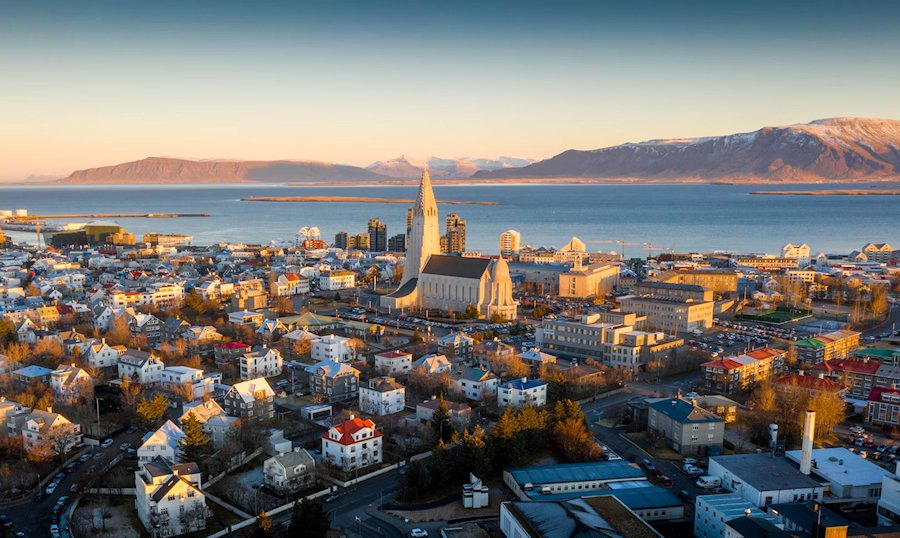
Reykjavik's city centre clusters around the old harbour, making it refreshingly walkable.
The iconic Hallgrímskirkja church serves as your natural compass point; its distinctive spire is visible from most corners of the city.
The heart of the action centres on Laugavegur, the main shopping street that transforms from retail therapy by day to the city's social hub after dark.
The city operates on island time; meaning things happen when they happen, rather than strictly by the clock.
Shops often open late (around 10am) but stay open until 6pm or later.
Restaurants typically serve dinner from 6pm onwards, though many kitchens stay open until 10pm or midnight.
Tourist Map of Reykjavik
Use the Tourist Map of Reykjavik to help you decide where to stay in Reykjavik based on travel budget, preferred location, planned must-see attractions and local must-do activities.
Beyond the Thermal Waters
Architectural Standouts

Hallgrímskirkja dominates the city skyline with its rocket-ship design inspired by Iceland's basalt columns.
Take the lift to the top for panoramic views across the colourful tin roofs to the surrounding mountains and sea.

The striking glass cube of Harpa concert hall (Austurbakki 2) catches light like a giant prism by the harbour.
Even if you don't catch a performance, the building's honeycomb-patterned glass facade creates spectacular light displays, particularly during the darker winter months.
Harbour District Discoveries
The old harbour area buzzes with whale-watching boats, fishing vessels, and weekend seafood markets.
Whales of Iceland (Fiskislóð 23-25) offers fascinating insights into Iceland's marine life, while the Reykjavik Maritime Museum (Grandagarður 8) chronicles the island's deep connection to the sea.
Street art enthusiasts will find Reykjavik's walls serve as an ever-changing outdoor gallery.
The annual Street Art Festival transforms neighbourhoods into colourful canvases, with many pieces becoming permanent fixtures that locals navigate by 'turn left at the rainbow mural'.
Icelandic Cuisine - Beyond Fermented Shark
Reykjavik's food scene has evolved far beyond the infamous hákarl (fermented shark) and puffin served at tourist traps.
Modern Icelandic cuisine celebrates the island's pristine ingredients: grass-fed lamb, geothermal-grown vegetables, and incredibly fresh seafood.
Head to the weekend Kolaportið flea market for traditional Icelandic snacks alongside vintage finds and local crafts. The food court upstairs serves authentic comfort food that locals actually eat, from lamb soup to fresh langoustine.
For dinner, restaurants like Dill (Laugavegur 59) and Matur og Drykkur (Grandagarður 2) elevate traditional ingredients with contemporary techniques.
Even casual spots surprise; the city's hot dog stands (pylsur) have achieved cult status, with Bæjarins Beztu Pylsur serving politicians and rockstars alike since 1937.
When Weather Becomes Entertainment
Reykjavik's weather deserves its own category of tourist attraction.
The city experiences four seasons in a single day, sometimes within a single hour. This meteorological drama becomes part of the city's charm rather than a hindrance.
Winter brings the possibility of northern lights dancing above the city centre; though you'll need clear skies and a little luck.
Summer offers the midnight sun, when daylight stretches past midnight and locals make the most of every luminous moment with outdoor festivals, late-night swimming, and extended café culture.
The wind here has personality.
It can push you down the street one moment and completely disappear the next.
Locals check multiple weather apps, dress in layers, and always carry a waterproof jacket; advice worth following.
Practical Planning for Reykjavik
Budget Considerations
Iceland operates on a premium pricing structure across the board.
A pint of beer typically costs £8-12, while restaurant mains range from £25-45.
However, happy hours (usually 4-7pm) offer significant savings, and many restaurants provide excellent lunch deals that cost half their dinner prices.
Getting Around
The city centre is entirely walkable, though the hills can provide a workout.
City buses connect outer neighbourhoods efficiently, and bike rentals work well during calmer weather periods.
For excursions beyond the city, car rentals offer flexibility, though many popular destinations like the Golden Circle and South Coast connect via day tours; if you prefer someone else to handle the driving on potentially challenging roads.
Timing Your Visit
Each season offers distinct advantages.
Summer (June-August) brings lupine flowers, midnight sun, and accessibility to highland roads, though higher prices and crowds.
Winter (October-March) offers northern lights possibilities, thermal pool enjoyment, and lower tourist numbers, but limited daylight and weather restrictions.
The shoulder months of May and September often provide the sweet spot; decent weather, fewer crowds, and moderate pricing, though aurora viewing becomes less reliable.
Reykjavik rewards the prepared visitor who embraces its quirks rather than expecting Mediterranean predictability.
Pack layers, keep plans flexible, and prepare to discover why this small Arctic capital has captured imaginations far beyond its size might suggest.
More City Travel Guides
Cities in Africa - Cities in America - Cities in Asia - Cities in Australasia - Cities in Latin America - European Destinations - Middle East.



|
|
More From Travel Notes
Travel Notes Online Guide to Travel
Africa - Asia - Caribbean - Europe - Middle East - North America - Oceania - South America.

The Travel Notes Online Guide to Travel helps visitors plan their trip with country and city travel guides, local tourist information, reviewed web sites, and inspiring travel content.
Travel Collaborations
Where travel creators, brands, and tourism partners connect and collaborate on real campaigns.

Travel Collaborations is a TravelNotes.org inspired B2B Network connecting content creators and digital nomads with travel destinations, hotels, and tourism brands looking for authentic storytelling on real campaigns.
Travel Resources

.
Travel & Tourism With Industry Professionals.

During 40 years of travel & living abroad Michel has visited some 120 countries, 220 UNESCO Heritage Sites and 100+ World Heritage Cities.

 Add a Business Listing -
Add a Location -
Add a Lodging - Add Travel Content
- Add URL
- Travel Services.
Add a Business Listing -
Add a Location -
Add a Lodging - Add Travel Content
- Add URL
- Travel Services.
