 Guadalajara Travel Guide - Visiting Mexico's Second City
.
Travel Notes: Destinations: North America: Mexico - Guadalajara Travel Guide.

Short URL: https://tnot.es/GDL
Travel Guide For Visitors to Guadalajara
As the second city in Mexico, Guadalajara serves up tequila, mariachi, and a cultural scene that puts many capitals to shame.
Jalisco Highlands
Guadalajara sprawls across the Jalisco highlands with an energy that's distinctly its own.

 Add a Business Listing -
Add a Location -
Add a Lodging - Add Travel Content
- Add URL
- Travel Services.
Add a Business Listing -
Add a Location -
Add a Lodging - Add Travel Content
- Add URL
- Travel Services.
Birth of Tequila and Mariachi
This is where tequila was born, where mariachi bands first tuned their instruments, and where modern Mexico meets centuries of tradition without the tourist circus you'll find in beach resorts or the capital's chaos.
Guadalajara's colonial centre feels lived-in rather than preserved in amber.
Students argue over coffee in century-old cafés, office workers grab tortas from street vendors beneath baroque archways, and local families still gather in plazas on Sunday evenings.
You're not visiting a museum piece; you're stepping into a working city that happens to have extraordinary architecture, world-class museums, and some of the country's best food.
2026 World Cup Host City
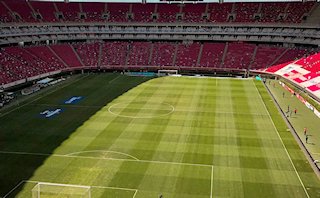
The second-largest city in Mexico offers a more manageable urban experience than the capital, with strong cultural traditions and proximity to tequila producers.
2026 World Cup Finals in Canada, Mexico and USA.
Getting There and Around
Guadalajara's Miguel Hidalgo International Airport (GDL) connects to major cities across Mexico, the United States, and beyond.
The airport sits about 16 kilometres south-east of the centre, with taxi services, Uber, and airport shuttles available for the 30-40 minute journey into town.
The city's Metro system runs three lines that cover key areas, though you'll likely walk or take buses for many journeys.
Guadalajara's historic centre is compact enough to explore on foot, but the metropolitan area sprawls considerably.
Uber works reliably throughout the city and costs a fraction of what you'd pay in European or North American cities.
When to Visit Guadalajara
October through April brings the most comfortable weather, with warm days and cool evenings.
The rainy season runs from June to September, typically arriving as afternoon downpours rather than all-day drizzle.
These months see fewer tourists and lower prices, though you'll need an umbrella.
December's Guadalajara International Book Fair draws enormous crowds, whilst October's International Mariachi Festival fills the streets with music.
Spring brings perfect weather but also higher accommodation prices.
What to See and Do in Guadalajara
Historic Centre

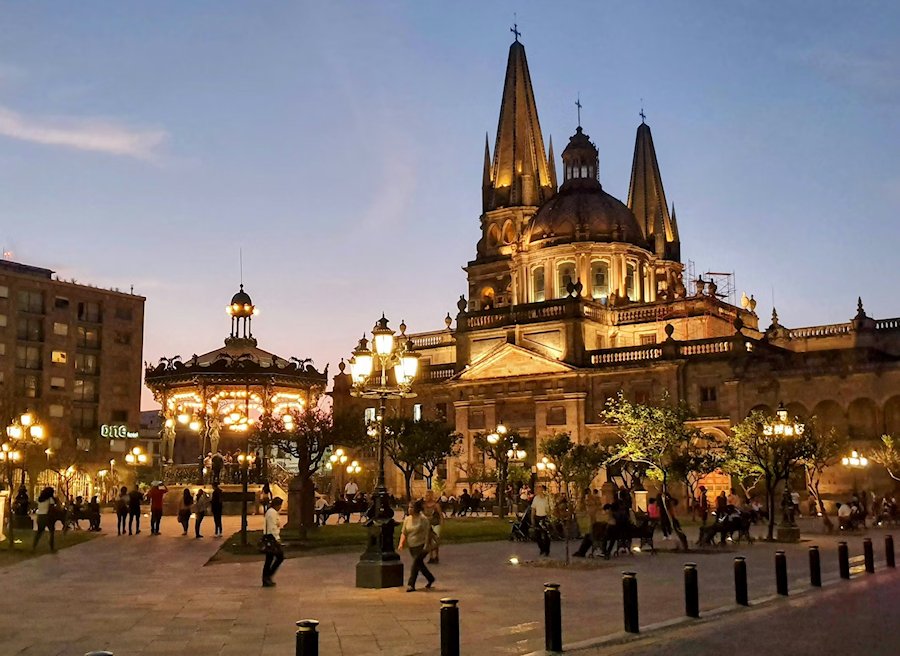
The Cathedral dominates downtown Guadalajara, its twin neo-Gothic towers visible from surrounding streets.
Construction began in 1558 and continued for centuries, resulting in a mixture of architectural styles.
The interior features paintings by Murillo and a stunning altar.
Plaza de Armas and Plaza de la Liberación spread out around the cathedral, forming Guadalajara's social heart.
Street performers, snack vendors, and shoe-shiners work the squares whilst locals rest on shaded benches beneath laurel trees.

The Hospicio Cabañas, a UNESCO World Heritage site, houses spectacular murals by José Clemente Orozco.
This former orphanage and hospital showcases early 19th-century neoclassical architecture, with Orozco's dramatic frescoes covering the chapel's walls and dome.

Teatro Degollado presents ballet, opera, and symphony performances in a magnificent neoclassical building.
Even if you don't catch a show, the interior, inspired by La Scala in Milan, deserves a look during guided tours.
Museums and Galleries

The Museo Regional de Guadalajara traces Jalisco's history from pre-historic times through the colonial period.
Pre-Columbian artefacts, colonial paintings, and exhibits on local industries provide context for understanding the region.

Museo de las Artes de la Universidad de Guadalajara (MUSA) focuses on contemporary and modern art, with rotating exhibitions alongside permanent collections.
The building itself represents innovative architecture worth seeing.
For a quirky detour, the Panteón de Belén cemetery offers guided night tours exploring local legends and notable burials.
The Victorian-era cemetery features elaborate tombs and supernatural stories that locals insist are true.
Tlaquepaque and Tonalá
These neighbouring municipalities have been absorbed into greater Guadalajara but maintain distinct identities.
Tlaquepaque's pedestrianised centre fills with galleries, craft shops, and restaurants serving regional cuisine.
Browse ceramics, blown glass, textiles, and furniture made by local artisans.
Tonalá's enormous street market operates Thursdays and Sundays, attracting serious buyers looking for pottery, blown glass, and folk art at wholesale prices.
Arrive early before the midday heat makes browsing uncomfortable.
Tequila Trail
The town of Tequila sits an hour north-west of Guadalajara, surrounded by blue agave fields.
Multiple distilleries offer tours explaining the production process from harvesting to bottling. The better tours include tastings, field visits, and insights into different production methods.
Many visitors book organised tours from Guadalajara that include transport, distillery visits, and lunch.
If you're travelling independently, buses run regularly from Guadalajara's Antigua Central Camionera to Tequila town.

The Tequila Express train offers a tourist-focused experience with onboard entertainment, though it costs significantly more than standard tours.
Where to Stay in Guadalajara
Centro Histórico puts you within walking distance of major sights, restaurants, and the cathedral.
Restored colonial buildings now house boutique hotels with rooftop terraces and inner courtyards.
The area gets lively in the evenings but quietens down after midnight.
Chapultepec attracts locals and visitors who want leafy streets, independent shops, and excellent restaurants.
This neighbourhood feels more residential whilst remaining central, with parks nearby and a thriving café culture.
Providencia suits business travellers and those seeking modern amenities.
Expect shopping centres, international hotels, and corporate offices alongside upscale dining options.
Tourist Map of Guadalajara
Use the Tourist Map of Guadalajara to help you decide where to stay in Guadalajara based on travel budget, preferred location, planned must-see attractions and local must-do activities.
Where to Eat
Guadalajara's food scene ranges from outstanding street food to sophisticated restaurants showcasing Jalisco's culinary heritage.
Tortas ahogadas, crusty rolls stuffed with pork and 'drowned' in spicy tomato sauce, originated here.
Grab one from street vendors or specialised torta shops throughout the centre.
Birria, slow-cooked goat or beef in rich chilli sauce, appears on menus everywhere.
Locals eat it as a stew or use the meat in tacos, dipping them in the cooking broth.
Carne en su jugo translates as 'meat in its juice'; a Guadalajara invention combining beef, bacon, beans, and tomatillo sauce.
It's comfort food at its finest.
The Mercado Libertad (San Juan de Dios), one of Latin America's largest indoor markets, serves authentic local dishes at rock-bottom prices.
The chaotic atmosphere and questionable hygiene standards put off some visitors, but the food represents genuine Guadalajara cooking.
Chapultepec's restaurant scene offers everything from casual taquerías to innovative contemporary Mexican cuisine.
Restaurants here attract locals celebrating special occasions alongside tourists seeking quality dining.
For breakfast, hunt down a proper café de olla (spiced coffee brewed in clay pots) served with pan dulce or chilaquiles.
Nightlife and Entertainment
Mariachi originated in Jalisco, and Guadalajara takes the music seriously.
Plaza de los Mariachis comes alive after dark with multiple bands competing for attention.
Whilst touristy, it's an authentic experience; locals hire mariachis here for parties and serenades.
Chapultepec's bars attract a young professional crowd, with craft beer pubs, cocktail lounges, and mezcalerías lining the neighbourhood's main streets. The atmosphere stays relaxed compared to downtown's more boisterous drinking establishments.
For live music beyond mariachi, check what's on at C3 Stage (Av. Vallarta 1488) or Foro Independencia (Epigmenio González 66), venues that book national and international acts across various genres.
Practical Information
Altitude
At 1,566 metres above sea level, some visitors experience mild altitude effects. Stay hydrated and take it easy on arrival.
Language
English speakers work in upscale hotels and tourist-focused businesses, but learning basic Spanish makes everything easier.
Many locals in service industries speak limited English.
Money
ATMs are widespread, and many restaurants accept cards.
Smaller establishments, markets, and street vendors operate cash-only.
Safety
Exercise normal precautions.
The centre and tourist areas remain relatively safe, though petty theft occurs.
Avoid walking alone late at night in unfamiliar neighbourhoods, and use official taxis or Uber rather than hailing cabs on the street.
Tipping
Leave 10-15% in restaurants where service isn't included.
Tip taxi drivers by rounding up the fare.
Day Trips from Guadalajara
Guachimontones
The archaeological site of Guachimontones features unique circular pyramids built by the Teuchitlán culture.
The ruins remain relatively unknown compared to Mexico's more famous sites, meaning you might have them largely to yourself.
Lake Chapala
Mexico's largest freshwater lake, sits about 45 kilometres south of Guadalajara.
The lakeside towns of Chapala and Ajijic attract expats and weekend visitors with mild weather and relaxed atmospheres.
Mazamitla
Mazamitla, a mountain town about two hours south, offers pine forests, cooler temperatures, and Swiss-influenced architecture.
It's popular with chilangos (Mexico City residents) seeking weekend escapes.
Arrive Without Fixed Expectations
Guadalajara rewards visitors who arrive without fixed expectations.
This isn't a city you'll 'do' in a weekend; there's too much happening, too many neighbourhoods to explore, and too many excellent restaurants to try.
Give yourself time to wander, to stumble upon neighbourhood festivals, to spend an afternoon in a plaza watching life unfold.
The city's greatest asset might be how it carries on being itself, hosting one of the world's largest book fairs, producing exceptional tequila, and maintaining cultural traditions whilst simultaneously embracing contemporary art, innovative restaurants, and modern urban development.
Guadalajara is a city that knows exactly what it is and feels no need to perform for visitors; though it's happy to share what it has to offer with those who show up ready to explore and enjoy.
More City Travel Guides
Cities in Africa - Cities in America - Cities in Asia - Cities in Australasia - Cities in Latin America - European Destinations - Middle East.



|
|
More From Travel Notes
Travel Notes Online Guide to Travel
Africa - Asia - Caribbean - Europe - Middle East - North America - Oceania - South America.

The Travel Notes Online Guide to Travel helps visitors plan their trip with country and city travel guides, local tourist information, reviewed web sites, and inspiring travel content.
Travel Collaborations
Where travel creators, brands, and tourism partners connect and collaborate on real campaigns.

Travel Collaborations is a TravelNotes.org inspired B2B Network connecting content creators and digital nomads with travel destinations, hotels, and tourism brands looking for authentic storytelling on real campaigns.
Travel Resources

.
Travel & Tourism With Industry Professionals.

During 40 years of travel & living abroad Michel has visited some 120 countries, 220 UNESCO Heritage Sites and 100+ World Heritage Cities.
