 Houston Travel Guide - Savour Space City's Surprising Side
.
Travel Notes: Destinations: North America: Texas - Houston Travel Guide.

Short URL: https://tnot.es/IAH
Travel Guide For Visitors to Houston
Come with us on a visit to Houston, Texas; where cowboy boots meet rocket science, and Tex-Mex flows as freely as crude oil once did.
Space Race
Houston doesn't whisper its intentions. America's fourth-largest city sprawls across the Gulf Coast prairie with the confidence of a place that's sent humans to the moon and perfected the breakfast taco.
Houston Works, Somehow
Houston is where you'll find world-class museums standing next to legendary barbecue joints, where the Medical Center employs more people than downtown, and where the humidity hits you like a warm, wet hug the moment you step off the plane.
The stereotypes exist for a reason; yes, there are oil executives and NASA engineers, but they miss the point entirely.
Houston is arguably the most diverse city in America, a place where over 145 languages are spoken and where you can eat authentic Nigerian, Vietnamese, and Pakistani food all within a five-mile radius.
It's messy, sprawling, and utterly lacking in zoning laws, which gives the city its particular character: a Korean grocery store next to a taco truck next to an art gallery.
Somehow, it works.
2026 World Cup Host City
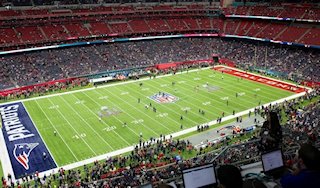
Houston has hosted friendlies featuring top Mexican and international clubs. This reputation earned the city a spot as a host for the expanded 2026 World Cup.
2026 World Cup Finals in Canada, Mexico and USA.
Getting Your Bearings
Houston covers 670 square miles, which means the typical rules of urban exploration don't apply.
Forget the idea of walking everywhere; you'll need a car or a strategic relationship with ride-sharing apps. The city is loosely organised into neighbourhoods, each with distinct personalities.
The Museum District and Hermann Park cluster around the Texas Medical Center, forming a cultural hub that rivals cities twice Houston's size.
Montrose serves as the bohemian heart, packed with vintage shops, coffee houses, and some of the city's best restaurants.
The Heights appeals to young professionals with its bungalow-lined streets and independent boutiques.
Downtown empties out after business hours, though it's slowly gaining residential appeal.
Rice Village, anchored by the prestigious Rice University, offers upscale shopping and dining in a walkable setting; a rarity in Houston.
Further out, the Energy Corridor houses corporate campuses, whilst the Galleria area combines high-end retail with business hotels.
When to Visit Houston
March through May delivers Houston's most pleasant weather, with temperatures in the low 20s Celsius and lower humidity than the brutal summer months.
The city's parks and outdoor spaces actually become usable, and you won't spend every moment darting between air-conditioned buildings.
October and November offer similar conditions as the oppressive heat finally breaks.
The Houston Livestock Show and Rodeo takes over NRG Stadium each March, drawing over two million visitors for three weeks of bull riding, carnival rides, and headline concerts.
Summer (June through September) is genuinely challenging.
Temperatures regularly exceed 35°C with humidity that makes the air feel swimmable.
Afternoon thunderstorms arrive with theatrical intensity but do little to cool things down.
If you're visiting during these months, plan outdoor activities for early morning and resign yourself to sweating.
Winter rarely sees freezing temperatures, though the occasional cold front reminds Houstonians why they own jackets.
The 2021 winter storm was a notable and devastating exception, but typical winters hover around 15-20°C.
Space Center Houston
You can't visit Houston without acknowledging its most famous export: human spaceflight.
Space Center Houston serves as the official visitor centre for NASA's Johnson Space Center, where mission control still coordinates International Space Station operations.
The tram tour takes you onto the actual NASA campus, past Building 9 where astronauts train in full-scale ISS mock-ups, and into the historic Apollo Mission Control room where flight controllers guided Neil Armstrong to the lunar surface.
The room has been restored to exactly how it looked on July 20, 1969, down to the coffee cups and ashtrays.
Independence Plaza houses the shuttle replica Independence mounted atop the original NASA 905 shuttle carrier aircraft; the Boeing 747 that actually ferried shuttles across the country.
You can walk through both aircraft, climbing into the shuttle's payload bay and the 747's modified interior.
The Starship Gallery contains flown spacecraft including an Apollo 17 command module and a genuine Mercury capsule.
Astronaut presentations happen daily, offering the rare chance to hear spaceflight stories directly from people who've left Earth's atmosphere.
Plan a full day here.
The site sprawls across 250,000 square feet, and you'll want time for the tram tour, the multiple galleries, and the rocket park displaying a Saturn V rocket; the largest rocket ever to fly successfully.
Admission runs around $30-50 depending on upgrades.
Get there early; school groups descend mid-morning.
Museum District - Seventeen Venues, One Walkable Area
Nineteen museums cluster within a few walkable blocks, making this one of the highest concentrations of cultural institutions in America. Many offer free admission on certain days.
Museum of Fine Arts

The Museum of Fine Arts, Houston ranks among America's largest art museums, with over 70,000 works spanning 6,000 years.
The collection includes significant holdings in Latin American art, African gold, and European masterworks.
Thursdays are free.
Menil

The Menil Collection might be Houston's most surprising cultural treasure.
Housed in a Renzo Piano-designed building that filters Houston's harsh sunlight into something gentle, the museum displays the private collection of John and Dominique de Menil; everything from Byzantine icons to Surrealist paintings to Warhol's Campbell's Soup Cans.
Admission is always free, and the surrounding neighbourhood's streets are named after artists represented in the collection.
Rothko Chapel

Adjacent to the main building, the Rothko Chapel contains fourteen of Mark Rothko's final paintings in an octagonal meditative space that serves as a sanctuary for people of all faiths (or none).
The chapel sits beside Barnett Newman's 'Broken Obelisk', dedicated to Martin Luther King Jr.
Contemporary Arts Museum

The Contemporary Arts Museum Houston occupies a stainless steel parallelogram designed by Gunnar Birkerts and hosts rotating exhibitions of contemporary art.
Always free.
Houston Museum of Natural Science

The Houston Museum of Natural Science draws families for its dinosaur hall, gem vault, and butterfly centre.
The Burke Baker Planetarium screens multiple shows daily.
This is one museum that charges admission ($25 for adults), but Thursday evenings after 5 PM offer discounted entry.
Hermann Park and Beyond
Hermann Park stretches across 445 acres adjacent to the Museum District, offering rare green space in a city that paved over much of its natural landscape.
The park contains numerous attractions within its borders.
Houston Zoo

The Houston Zoo houses over 6,000 animals representing 900 species, with particularly strong African Forest and Galapagos Islands exhibits.
The zoo operates year-round and costs around $25 for adults.
McGovern Centennial Gardens

The McGovern Centennial Gardens recently underwent a $31 million renovation, creating five distinct garden spaces including a rose garden, family garden, and arid garden showcasing plants adapted to extreme heat; relevant for Houston's climate future.
A miniature train circles the park (the Hermann Park Railroad), pedal boats navigate McGovern Lake, and the Miller Outdoor Theatre offers free performances ranging from Shakespeare to symphony concerts throughout the year.
Shows are genuinely free; you can reserve seats or bring a blanket for lawn seating.
Neighbourhoods Worth Exploring
Montrose functions as Houston's creative district, where historic bungalows have been converted into galleries, coffee shops, and restaurants.
Menil Collection anchors the neighbourhood culturally, but the real joy comes from wandering.
Poison Girl serves as a neighbourhood watering hole. Blacksmith offers coffee roasted on-site. The Rothko Chapel provides quiet contemplation.
The Heights stretches along 19th Street with antique shops, boutiques, and restaurants in renovated craftsman homes.
The Heights Hike and Bike Trail connects to a broader network of paths.
Revival Market combines butcher shop, restaurant, and carefully curated grocery.
Blacksmith (a different location from Montrose) roasts coffee here too.
Rice Village surrounds Rice University with upscale shopping and dining.
The university campus itself deserves a walk; the architecture follows a consistent Mediterranean Revival style, and the grounds are genuinely lovely.
Valhalla, a campus pub, has served Rice students (and nearby med students) since 1968.
Downtown struggles to find an identity beyond business hours, though the tunnel system offers a surreal lunchtime experience.
Six miles of underground tunnels connect buildings beneath downtown streets, lined with shops and restaurants serving the office worker crowd.
Access is limited to weekday business hours, and you'll feel like you've stumbled into a carpeted, fluorescent-lit alternate reality.
Where to Stay in Houston
Downtown hotels serve business travellers primarily but offer proximity to Toyota Center (sports and concerts) and the Theatre District.
Rates drop dramatically on weekends when convention crowds disappear.
The Museum District and Hermann Park area offers limited hotel options but puts you within walking distance of museums and the zoo.
Hotel Zaza presents a boutique option with a pool scene popular among locals.
The Galleria area contains multiple business hotels convenient for shopping and restaurants but isolating otherwise.
You'll be driving or ridesharing anywhere else.
Montrose and The Heights offer more Airbnb options than hotels, putting you in neighbourhood settings with better dining and bar options within walking distance.
Tourist Map of Houston
Use the Tourist Map of Houston to help you decide where to stay in Houston based on travel budget, preferred location, planned must-see attractions and local must-do activities.
Eating Your Way Through Houston
Houston's culinary scene operates well below the national radar but rivals any American city for diversity and quality.
The restaurant scene reflects the city's demographics, with authentic cuisine from nearly every corner of the globe.
Breakfast Tacos
Breakfast tacos are the morning currency.
Tacos A Go Go, Bernie's Burger Bus, and Laredo Taqueria all make strong cases for being Houston's best, though asking locals for their favourite will start arguments.
Expect flour tortillas (this is Texas), fillings from bacon and egg to carne guisada, and hot sauce on the side.
They cost $2-4 each.
Barbecue
Barbecue comes in multiple styles.
Truth Barbeque draws lines for Central Texas-style brisket that rivals Austin's legendary pitmasters.
Killen's Barbecue in Pearland (south of Houston proper) also commands multi-hour waits for beef ribs that bend physics.
Gatlin's BBQ offers similar quality with shorter waits. The Pit Room in Montrose serves excellent barbecue in a more casual, walk-up setting.
Tex-Mex
The Tex-Mex category deserves its own paragraph.
This is not Mexican food, nor is it trying to be; it's a distinct cuisine born in Texas with roots in both Mexican and American traditions.
Ninfa's on Navigation invented fajitas in 1973 (so the story goes), and their original location still serves them.
Hugo's elevates Mexican cuisine to fine dining without losing soul.
El Tiempo Cantina handles crowds with remarkable efficiency whilst delivering solid, reliable Tex-Mex.
Marinate the confusion: the green sauce, regardless of restaurant, is addictive.
Vietnamese
Vietnamese food thrives along Milam Street and throughout the Asian American community.
Crawfish & Noodles does exactly what the name suggests, and during crawfish season (January through May), locals pile into this industrial-sized space to destroy mountains of mudbugs served Asian-style with garlic butter.
Pho Binh serves reliable Vietnamese soup until 3 AM, perfect for post-drinking sustenance.
Farmers Market
The Houston Farmers Market operates Sundays year-round in the original downtown location, with a Saturday market on Airline Drive.
Beyond produce, you'll find prepared foods from local vendors, fresh-baked bread, and local honey.
The Rodeo Deserves Special Mention

The Houston Livestock Show and Rodeo is one of the world's largest livestock exhibitions and richest rodeo events, but what makes it distinctly Houston is the combination of traditional Western culture with major concerts.
Each night during the three-week March event, a different headliner performs after the rodeo competition ends.
We're talking arena-filling artists; Beyoncé, Garth Brooks, Cardi B, and George Strait have all performed in recent years.
The carnival midway runs throughout, offering deep-fried everything and rides that probably passed safety inspection.
The livestock shows are the original point, where Texas teenagers compete for college scholarships by raising championship cattle, sheep, goats, and pigs.
The commercial exhibits showcase everything from hot tubs to kitchen gadgets to tractors.
Attendance requires planning.
Single-day tickets run $20-50 depending on the musical act, and popular shows sell out months ahead.
The spectacle is authentically Texan; locals wear their best boots and Western wear, and nobody questions it.
Buffalo Bayou Park

Houston's defining geographic feature might be the least impressive waterway ever dignified with the name 'bayou'.
Buffalo Bayou moves slowly (sometimes backwards when Gulf tides push inland) and periodically jumps its banks during floods.
But Buffalo Bayou Park transforms 160 acres along the waterway into one of Houston's most successful public spaces.
The park stretches from Shepherd Drive to Sabine Street, passing beneath downtown's skyline.
Hike and bike trails run the length, with Barbara Fish Daniel Nature Play Area providing a surprisingly creative children's playground.
The Cistern offers an unusual art space; a 1926 underground drinking water reservoir that now hosts art installations in the cathedral-like space.
Kayak and paddleboard rentals operate from multiple points along the bayou.
The water is... not clean, let's be honest. But paddling beneath downtown bridges offers a unique perspective on the city, and the risk of actual contact with bayou water is minimal if you stay balanced.
Getting Around Houston

Houston's Metro rail system operates three lines, but they're designed primarily for commuters and serve limited areas useful to visitors.
The Red Line runs from downtown through the Museum District to NRG Stadium (useful during rodeo season).
The Green and Purple Lines connect downtown to areas less relevant for tourists.
You need a car.
Houston's sprawl and lack of density make other options frustrating.
Ride-sharing works but gets expensive fast when covering Houston distances; the airport sits 23 miles from downtown, and attractions spread across dozens of miles.
Driving is straightforward if you accept that Houston highways resemble spaghetti designed by someone who's never heard of spaghetti.
The freeway system includes I-10 (Katy Freeway), I-45 (North and Gulf Freeways), Highway 59 (Southwest Freeway), I-610 (Loop), and Beltway 8 (outer loop).
Morning and evening rush hours turn these into parking lots.
Use Google Maps or Waze; they'll route around traffic reasonably well.
Parking downtown costs $10-30 depending on events. Museum District parking is generally free but fills on weekends.
Practical Details
Airports
George Bush Intercontinental Airport (IAH) handles most commercial flights, sitting 23 miles north of downtown.
William P. Hobby Airport (HOU) serves mainly domestic flights and sits seven miles south-east of downtown; closer and often cheaper to reach.
Tax and Tipping
Sales tax runs 8.25%, and restaurants expect 18-20% tips on the pre-tax total.
Weather
Weather shapes every Houston experience. Summer humidity is genuinely oppressive.
Download weather apps and pay attention to flood warnings during storm season.
Houston floods, sometimes catastrophically.
Hurricane season officially runs June through November, with September the peak month.
Houston has been hit by several major storms in recent decades; Ike (2008), Harvey (2017), and others.
If you're visiting during hurricane season and a storm threatens, airlines will waive change fees.
Take warnings seriously.
The Houston Experience
Houston delivers an experience quite different from America's coastal cultural capitals.
The city lacks Boston's walkability, San Francisco's natural beauty, or New Orleans' architectural consistency.
Instead, Houston offers unpretentious access to world-class culture, serious food credibility, and a population that genuinely reflects modern America's diversity.
The place grows on you, usually around the third breakfast taco.
More City Travel Guides
Cities in Africa - Cities in America - Cities in Asia - Cities in Australasia - Cities in Latin America - European Destinations - Middle East.



|
|
More From Travel Notes
Travel Notes Online Guide to Travel
Africa - Asia - Caribbean - Europe - Middle East - North America - Oceania - South America.

The Travel Notes Online Guide to Travel helps visitors plan their trip with country and city travel guides, local tourist information, reviewed web sites, and inspiring travel content.
Travel Collaborations
Where travel creators, brands, and tourism partners connect and collaborate on real campaigns.

Travel Collaborations is a TravelNotes.org inspired B2B Network connecting content creators and digital nomads with travel destinations, hotels, and tourism brands looking for authentic storytelling on real campaigns.
Travel Resources

.
Travel & Tourism With Industry Professionals.

During 40 years of travel & living abroad Michel has visited some 120 countries, 220 UNESCO Heritage Sites and 100+ World Heritage Cities.

 Add a Business Listing -
Add a Location -
Add a Lodging - Add Travel Content
- Add URL
- Travel Services.
Add a Business Listing -
Add a Location -
Add a Lodging - Add Travel Content
- Add URL
- Travel Services.
