Overview
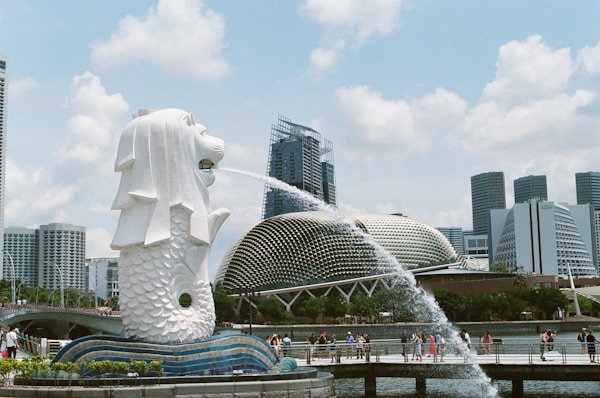
Singapore, often called the Lion City (Singapura in Sanskrit), is a remarkable blend of tradition and futuristic innovation. Its very symbol, the Merlion, combines a lion’s head representing the city’s name and a fish body nodding to its origins as a fishing village, embodying this fusion of past and future.
The Merlion is more than just a tourist attraction though; it symbolises resilience, evolution, and the blend of tradition and modernity that defines Singapore. It embodies the city-state's history and identity, making it a powerful cultural icon.
Singapore stands as a testament to urban planning excellence, transforming from a small trading post to one of Asia's most dynamic city-states. This island nation seamlessly blends cutting-edge architecture with lush tropical gardens, colonial heritage with ultra-modern innovation, and diverse cultural traditions with cosmopolitan sophistication.
Despite its compact size (only 730 square kilometres), Singapore delivers an extraordinary diversity of experiences. World-class shopping on Orchard Road gives way to aromatic hawker centres serving some of Asia's best street food. The futuristic Supertrees of Gardens by the Bay stand minutes from the incense-filled temples of Chinatown. Michelin-starred restaurants operate alongside family-run coffee shops that have served the same perfect kaya toast for generations.
The city-state's multicultural fabric weaves together Chinese, Malay, Indian, and Eurasian influences, creating a unique cultural tapestry reflected in its four official languages, diverse religious celebrations, and extraordinary culinary scene.
Clean, safe, and impeccably efficient, Singapore offers South-east Asian adventure with developed-world infrastructure and English-language ease.
Getting There
By Air
Singapore Changi Airport (SIN) consistently ranks among the world's best airports, serving as a major hub for Asia and beyond. The airport connects to over 400 cities in 100 countries, with frequent flights from North America, Europe, Australia, and throughout Asia.
Singapore Airlines, the national carrier, offers exceptional service, while budget airlines like Scoot and numerous regional carriers provide economical options. Terminal facilities include gardens, movie theatres, swimming pools, and countless dining and shopping options.
By Rail
Daily trains connect Singapore to Kuala Lumpur and other Malaysian destinations via the Eastern & Oriental Express and regular rail services. The journey showcases South-east Asian landscapes while providing a nostalgic travel experience.
By Road
Two causeways link Singapore to Malaysia at Johor Bahru, accommodating buses and private vehicles. Numerous coach services run daily routes to destinations throughout peninsular Malaysia.
By Sea
Singapore is a major cruise destination, with cruise terminals at Marina Bay and HarbourFront welcoming ships from around the world. Ferry services connect to Indonesia's Batam and Bintan islands, as well as Malaysia's southern ports. The Marina Bay Cruise Centre sits conveniently near downtown attractions.
Visa Requirements
Citizens of the US, Canada, UK, Australia, New Zealand, and most European countries can enter Singapore visa-free for stays of 30 to 90 days, depending on nationality. Passports must be valid for at least six months beyond the intended stay. Always verify current requirements based on your nationality before traveling to Singapore.
Best Time to Visit Singapore
Singapore's tropical climate remains hot and humid year-round, with temperatures consistently between 25-31°C. Rather than distinct seasons, the city experiences varying levels of rainfall. Each period offers different advantages for visitors.
- Dry Season (February-April): The driest months offer the most pleasant weather for outdoor activities and sightseeing. Temperatures remain warm but rainfall is minimal, making this ideal for exploring Gardens by the Bay, Sentosa Island, and outdoor attractions. This is peak tourist season, so expect larger crowds and higher prices. Book accommodations well in advance..
- South-west Monsoon (May-September): Brief afternoon thunderstorms become common, but mornings are often dry and suitable for sightseeing. The Great Singapore Sale in June-July offers shopping bargains. National Day celebrations on August 9th showcase spectacular fireworks and military displays. Hotel prices moderate during this period.
- North-east Monsoon (November-January): The wettest months bring more frequent rainfall, though not typically all-day downpours. This coincides with major festivals like Deepavali (October/November), Christmas, and Chinese New Year (January/February), creating vibrant cultural experiences. Year-end school holidays bring more local crowds to attractions.
- Inter-Monsoon (October): Transitional weather brings variable conditions. Generally warm with occasional rain, this shoulder season offers good value and fewer crowds. Perfect for those seeking a balance between weather and budget considerations.
Singapore's indoor attractions, excellent public transportation, and ubiquitous air conditioning mean the city remains accessible and enjoyable even during wetter periods. Festival times add cultural richness regardless of weather.
Top Attractions in Singapore
Cultural Districts
- Arab Street: Arab Street and Kampong Glam feature the golden-domed Sultan Mosque, hip cafes, and carpet shops
- Authentic Tradition: Singapore's ethnic enclaves preserve authentic traditions amid modernity.
- Chinatown: Chinatown's shophouses, temples, and heritage centres celebrate Chinese culture, with the Buddha Tooth Relic Temple as the crown jewel.
- Little India: Little India explodes with colours, scents, and sounds, from the ornate Sri Veeramakaliamman Temple to vibrant textile shops.
- Tasting Experience: Each district in Singapore offers distinct culinary experiences and cultural insights.
Gardens by the Bay
- 101 Hectares: This 101-hectare nature park represents Singapore's 'city in a garden' vision magnificently realised.
- Cloud Forest: The climate-controlled Cloud Forest Dome features a 35-meter indoor waterfall and mountain vegetation, while the Flower Dome showcases Mediterranean plants.
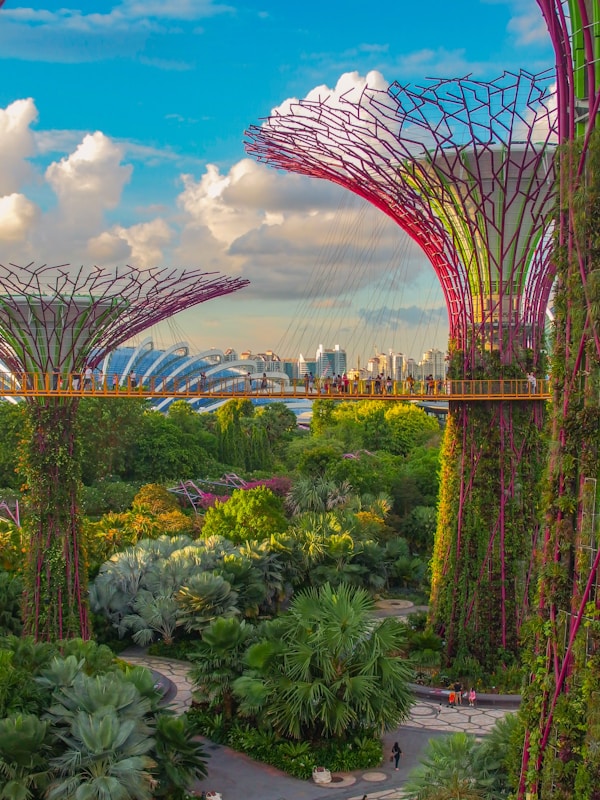
- Night Lights: The iconic Supertrees (vertical gardens up to 50 metres tall) create an otherworldly landscape, spectacular when illuminated at night.
- Skyway: The OCBC Skyway walkway between Supertrees provides stunning aerial views.
Marina Bay
- Architectural Marvel: Singapore's iconic waterfront showcases architectural audacity and urban innovation.
- ArtScience Museum: The ArtScience Museum's lotus-inspired design hosts world-class exhibitions.
- Helix Bridge: Walk the scenic Helix Bridge or enjoy waterfront dining with unparalleled city views.
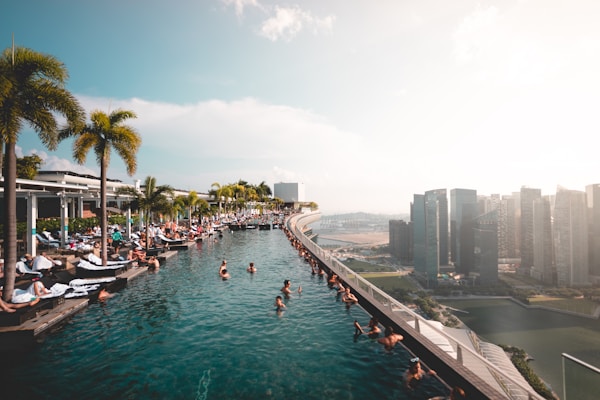
- SkyPark: The Marina Bay Sands complex dominates the skyline with its boat-shaped SkyPark perched atop three towers, offering 360-degree views from 57 floors up.
- Spectra: The spectacular light and water show, Spectra, illuminates Marina Bay nightly.
- From luxury brands at ION Orchard to local finds at Far East Plaza, retail therapy reaches its apex here.
- Singapore's premier shopping boulevard stretches 2.2 kilometres lined with malls, boutiques, and department stores.
- The Christmas light displays transform Orchard Road into a festive wonderland.
- World-class dining, entertainment complexes, and hotels complete the experience.
- Adventure Cove Waterpark provides aquatic thrills, while S.E.A. Aquarium houses over 100,000 marine animals.
- Siloso Beach offers water sports, beach bars, and sunset views.
- Singapore's playground island offers beaches, theme parks, and entertainment just 15 minutes from downtown.
- The cable car ride to Sentosa provides spectacular harbour views.
- Universal Studios Singapore delivers Southeast Asia's only Universal theme park experience.
- This 160-year-old, UNESCO World Heritage Site provides 82 hectares of tropical tranquility.
- Free admission (except Orchid Garden) makes this accessible to all.
- Heritage trees, themed gardens, and lakeside paths offer peaceful retreats from urban intensity.
- Regular concerts at Symphony Lake add cultural dimension.
- The National Orchid Garden displays over 1,000 orchid species in a stunning colour palette.
- Recognised among the world's best zoos, this open-concept facility houses over 2,800 animals in naturalistic habitats.
- River Wonders showcases freshwater ecosystems from around the world.
- The adjacent Night Safari, the world's first nocturnal wildlife park, reveals animals' after-dark behaviours along walking trails and tram rides.
Orchard Road
Sentosa Island
Singapore Botanic Gardens
Singapore Zoo & Night Safari
Singaporean Cuisine
Singapore's food scene stands as perhaps its greatest achievement, blending Chinese, Malay, Indian, and Peranakan influences into a distinctive culinary culture. From humble hawker centres to Michelin-starred establishments, eating defines the Singaporean experience.
- Bak Kut Teh: Pork rib soup simmered with garlic, herbs, and spices serves as the perfect comfort food. Pepper-heavy versions contrast with herbal variations. Enjoyed with rice, youtiao (fried dough), and strong tea. Song Fa and Founder Bak Kut Teh offer excellent renditions.
- Char Kway Teow: Flat rice noodles wok-fried at extreme heat with Chinese sausage, prawns, egg, bean sprouts, and dark soy sauce deliver smoky, savoury perfection. The best versions come from hawker centres where masters have refined their technique for decades.
- Chilli Crab: Mud crabs cooked in sweet, savoury, and spicy tomato-based sauce require hands-on eating and copious napkins. Served with fried or steamed mantou (buns) to mop up the incredible sauce. Jumbo Seafood and No Signboard Seafood remain perennial favourites.
- Hainanese Chicken Rice: Singapore's unofficial national dish features poached chicken, fragrant rice cooked in chicken stock, and three dipping sauces (chili, ginger, and dark soy). Deceptively simple, the perfect version requires exceptional technique. Try it at Tian Tian Hainanese Chicken Rice in Maxwell Food Centre or Wee Nam Kee.
- Kaya Toast: The quintessential Singaporean breakfast pairs toasted bread with kaya (coconut egg jam), butter, soft-boiled eggs, and strong local coffee (kopi). Yakun Kaya Toast and Toast Box chains maintain this tradition, though neighbourhood kopitiams offer more authentic experiences.
- Laksa: This spicy coconut curry noodle soup represents Peranakan cuisine's pinnacle. Rice noodles swim in rich, spicy broth with prawns, fishcakes, and cockles, topped with laksa leaves. Katong Laksa serves the original cut-up version, perfect for eating with just a spoon.
- Roti Prata: Indian-influenced flatbread cooked on a griddle and served with curry for dipping. Available plain or with additions like egg, cheese, or mushrooms. Best enjoyed at 24-hour prata shops after a night out.
- Satay: Skewered, grilled meat (chicken, beef, or lamb) served with peanut sauce, cucumber, onion, and compressed rice cakes. Lau Pa Sat's outdoor satay stalls offer atmospheric evening dining, while Chomp Chomp Food Centre serves excellent versions.
Singapore's hawker centres (open-air food courts) provide the most authentic and affordable culinary experiences. Lau Pa Sat, Maxwell Food Centre, and Tekka Centre offer excellent introductions. Meanwhile, the city boasts more Michelin stars per capita than any other city, with innovative restaurants pushing culinary boundaries.
Getting Around Singapore
Singapore's world-class public transportation system makes navigating the city-state efficient, affordable, and tourist-friendly.
- Buses: An extensive bus network complements the MRT, reaching every corner of the island. Air-conditioned and punctual, buses accept EZ-Link cards and exact cash (no change given). Google Maps provides accurate bus routing. Night buses operate on weekends for late-night travellers.
- Cycling: Growing bike lanes and park connector networks make cycling increasingly viable in Singapore. Bike-sharing services like Anywheel operate throughout the city. East Coast Park offers scenic coastal cycling routes.
- MRT (Mass Rapid Transit): The backbone of Singapore's transport network, the MRT features six lines connecting virtually all major attractions. Trains run from 5:30am to midnight, with extended hours on weekends. Stations are spotlessly clean, air-conditioned, and clearly signed in English. Purchase a Singapore Tourist Pass for unlimited rides over one, two, or three days, or use a stored-value EZ-Link card.
- Private Car: While driving is straightforward with excellent roads and clear signs, Singapore's Electronic Road Pricing system and expensive parking make car rental unnecessary for tourists. Public transport and taxis provide better value and convenience.
- Taxis & Ride-Hailing: Taxis are metered, comfortable, and reasonably priced, though peak-hour surcharges apply. Grab (South-east Asia's leading ride-hailing app) offers competitive rates and cashless convenience. Both taxi stands and Grab pickups are abundant in Singapore.
- Walking: Singapore's compact downtown core makes walking pleasant and practical. Wide, covered sidewalks, underground walkways, and pedestrian-friendly traffic systems encourage exploration on foot. The Southern Ridges walking trail connects parks with spectacular elevated walkways.
Practical Tips
- Accommodation: Book ahead during peak seasons and major events. Options range from budget hostels to ultra-luxury hotels. Consider staying near MRT stations for convenience. Sentosa resorts offer beachfront experiences.
- Advance Bookings: Popular attractions like Gardens by the Bay's conservatories, Marina Bay Sands SkyPark, and premium dining experiences should be booked online in advance, especially during peak seasons.
- Bargaining: Fixed prices are standard except at some markets like Bugis Street. Respectful negotiation is acceptable at smaller shops selling souvenirs and textiles.
- Connectivity: Free WiFi is available at Changi Airport, many malls, and tourist attractions through Wireless@SG. Consider purchasing a local SIM card for data access throughout your visit.
- Cultural Sensitivity: Remove shoes before entering homes, temples, and some shops. Dress modestly when visiting religious sites (covered shoulders and knees). Chinese New Year, Hari Raya, and Deepavali are major festivals when some businesses close.
- Currency and Payments: The Singapore Dollar (SGD) is the currency. ATMs are ubiquitous, and credit cards are widely accepted. Hawker centres and small shops may prefer cash. Tipping is not expected or customary.
- Health and Safety: Tap water is safe to drink. Healthcare standards are excellent, though expensive without insurance. The city is exceptionally safe with very low crime rates. Singapore's heat and humidity require staying hydrated.
- Language: English is an official language and universally spoken, making communication easy. Mandarin, Malay, and Tamil are also official languages. 'Singlish' (colloquial Singaporean English) adds colourful local flavour to standard English.
- Laws and Regulations: Singapore's strict laws maintain its cleanliness and order. Littering, chewing gum import, jaywalking, and smoking in prohibited areas carry significant fines. Drugs carry extremely severe penalties including capital punishment. Respect local laws meticulously.
- Weather Preparedness: Carry an umbrella for sudden tropical downpours and intense sun. Light, breathable clothing suits the heat, though bring a light jacket for heavily air-conditioned malls and restaurants.
Regional Travel Guides
Regional travel guides written by people in the know - a community of expats, locals and regular visitors to the region.

Travel writers and photographers are invited to join our team of travel content creators.