Overview
Australia captivates with its vast, untamed landscapes, unique wildlife found nowhere else on Earth, and a laid-back culture that embraces outdoor living and adventure. This island continent - the world's sixth-largest country - offers extraordinary diversity, from the otherworldly red deserts of the Outback to the tropical rainforests of Queensland, the cosmopolitan sophistication of Sydney and Melbourne to remote Indigenous communities maintaining 65,000 years of continuous cultural heritage.
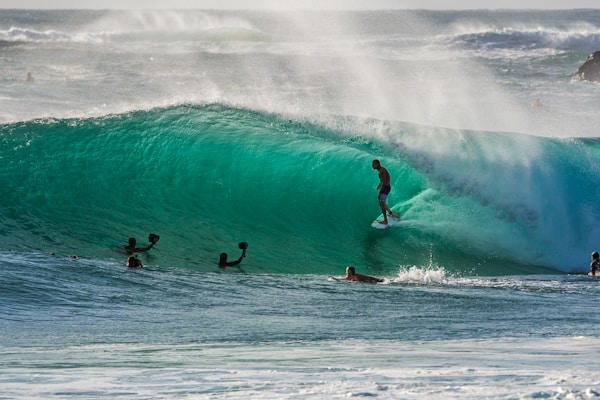
The sheer scale of Australia surprises many first-time visitors. Distances between major cities rival those between European countries, and vast stretches of the interior remain virtually uninhabited. Yet this isolation has preserved ecosystems and wildlife that make Australia a living laboratory of evolution. Kangaroos, koalas, wombats, platypuses, and countless species of venomous snakes and spiders exist only here, having evolved in isolation after the continent broke away from Gondwana millions of years ago.
Australian culture reflects its convict origins, waves of immigration, Indigenous heritage, and the influence of living on the edge of a harsh but beautiful land. Australians are known for their friendliness, irreverent humor, and passion for sports, beaches, and barbecues. The 'no worries' attitude pervades daily life, creating a welcoming atmosphere for travellers. From world-class wine regions to the Great Barrier Reef's underwater wonders, from surf culture to sophisticated arts scenes, Australia rewards those who take time to explore its varied offerings.
Getting There
By Air
Australia's geographic isolation means flying is essentially the only practical way to arrive. Major international gateways include Sydney (SYD), Melbourne (MEL), Brisbane (BNE), and Perth (PER).
Direct flights operate from Asia (Singapore, Hong Kong, Tokyo, Bangkok), the Middle East (Dubai, Doha), North America (Los Angeles, San Francisco, Dallas, Vancouver), and New Zealand.
Flights from Europe typically connect through Asia or the Middle East. Journey times are significant; Los Angeles to Sydney takes thirteen hours or more, London to Sydney some twenty two hours with connections.
Visa Requirements
Australia maintains strict entry requirements. Most tourists need an Electronic Travel Authority (ETA) or eVisitor visa, which can be obtained online. US, Canadian, and many European passport holders qualify for electronic visas valid for stays up to three months. Processing is usually instantaneous but apply well before travel. Australia has rigorous biosecurity measures; declare all food, plant material, and animal products or face substantial fines.
Best Time to Visit Australia
Australia's position in the Southern Hemisphere means seasons are reversed from the Northern Hemisphere, and climate varies dramatically across the massive continent.
- Summer (December-February): Peak season brings warm to hot temperatures perfect for beaches. Southern cities like Sydney, Melbourne, and Perth enjoy excellent weather (20-30°C), though Melbourne can be unpredictable. School holidays (mid-December to late January) see domestic travel surge; book accommodations early. Northern Australia (Darwin, Cairns) experiences oppressive heat, humidity, and monsoon rains, making it less ideal. Bushfire risk increases in hot, dry conditions.
- Autumn (March-May): Excellent time to visit most of Australia. Comfortable temperatures persist in the south, particularly March and April. The tropical north becomes more accessible as humidity drops and rains ease. Wine regions celebrate harvest. Beaches remain pleasant without peak crowds. This is ideal for exploring multiple regions.
- Winter (June-August): Southern cities experience mild winters (10-18°C) with occasional rain; perfect for city exploration and wine regions, though too cool for beach swimming. Snow falls in the Australian Alps, opening ski season at resorts like Thredbo and Perisher. The tropical north (Queensland, Northern Territory) enjoys its dry season with perfect weather. This is peak season for visiting the Great Barrier Reef, Uluru, and Kakadu National Park.
- Spring (September-November): Wildflowers bloom spectacularly across Western Australia. Southern regions warm up beautifully, making this ideal for road trips, hiking, and outdoor activities. The tropical north begins transitioning toward the wet season; October and November bring increasing heat and humidity. Generally excellent value with fewer crowds than summer.
Top Attractions by Region
Blue Mountains
- Charming mountain towns like Katoomba and Leura provide bases with guesthouses, cafés, and galleries.
- Hiking trails in the Blue Mountains suit all abilities, from easy walks to challenging multi-day treks.
- Just 90 minutes from Sydney, the Blue Mountains offer dramatic eucalyptus-forested valleys, sandstone cliffs, and the famous Three Sisters rock formation.
- The name comes from the blue haze created by eucalyptus oil evaporating from millions of trees.
Daintree Rainforest
- Cape Tribulation offers stunning coastal rainforest scenery.
- Crocodiles inhabit rivers and estuaries; heed warning signs.
- Guided walks reveal unique flora and fauna.
- The world's oldest continually surviving rainforest meets the reef where the rainforest-covered mountains descend to tropical beaches.
- This ancient ecosystem north of Cairns has existed for 135 million years.
Great Barrier Reef
- Cairns and Port Douglas serve as primary gateways for snorkelling and diving expeditions.
- Choose responsible tour operators committed to reef conservation.
- Climate change threatens the reef, making visits increasingly poignant.
- The reef teems with marine life; sea turtles, reef sharks, rays, and thousands of fish species in kaleidoscopic colours.
- The world's largest coral reef system stretches over 2,300 kilometres along Queensland's coast, visible from space.
Great Ocean Road
- Stop at charming towns like Lorne and Apollo Bay.
- The drive requires a full day minimum, though two days allows proper exploration.
- The route stretches 243 kilometres from Torquay (surf capital) to Allansford.
- This spectacular coastal drive south-west of Melbourne winds past limestone cliffs, surf beaches, and the famous Twelve Apostles rock stacks.
Kakadu National Park
- Ancient Aboriginal rock art dating back 20,000 years adorns escarpment walls.
- Australia's largest national park protects 20,000 square kilometres of Northern Territory wilderness.
- The park's vastness requires multiple days to appreciate properly.
- Visit during the dry season (May-October) when waterfalls flow and temperatures are moderate.
- Wetlands teem with crocodiles and waterbirds.
Melbourne
- Australia's cultural capital rivals Sydney with sophisticated arts, dining, and coffee culture.
- Federation Square anchors the city centre, while the Royal Botanic Gardens provide green sanctuary.
- Laneways hide street art, boutiques, and cafés.
- Melbourne's multicultural dining scene excels, from Italian Lygon Street to Vietnamese Victoria Street.
- Sports-mad Melburnians pack the Melbourne Cricket Ground for AFL and cricket.
- The Great Ocean Road's dramatic coastal drive begins nearby, featuring the Twelve Apostles rock formations.
Perth & Western Australia
- Australia's most isolated major city enjoys a Mediterranean climate and Indian Ocean beaches.
- Nearby Rottnest Island hosts quokkas; impossibly cute marsupials that have become social media darlings.
- The Margaret River region produces exceptional wines.
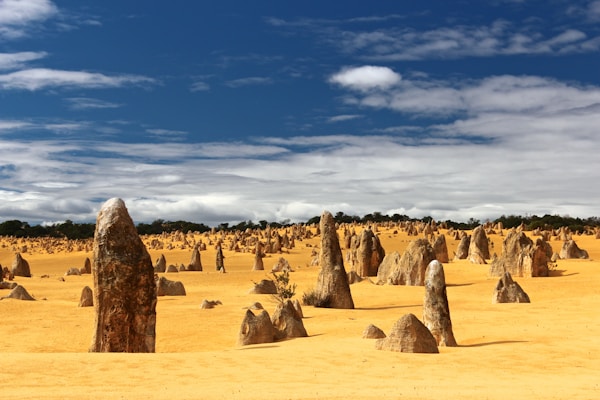
- Western Australia's vastness contains extraordinary natural wonders: the otherworldly Pinnacles Desert, pink lakes near Esperance, and the dramatic gorges of Karijini National Park.
Sydney
- Australia's largest city dazzles with its stunning harbour setting.
- Bondi Beach embodies Australian beach culture, while the Coastal Walk to Coogee showcases dramatic cliff scenery.
- Darling Harbour offers waterfront dining and attractions.
- Day trips reach the Blue Mountains' dramatic valleys and the Hunter Valley wine region.
- Taronga Zoo provides encounters with native wildlife against harbour backdrops.
- The Rocks historic area preserves colonial heritage.
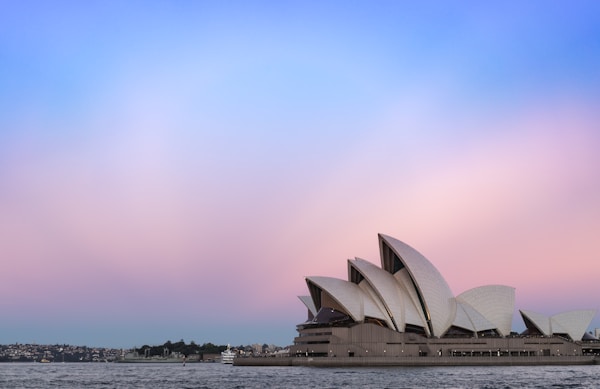
- The Sydney Opera House's iconic white sails and the Harbour Bridge define the skyline; climb the bridge for breathtaking views.
Tasmania
- Cradle Mountain offers alpine hiking through ancient forests.
- Freycinet National Park's Wineglass Bay ranks among the world's most beautiful beaches.
- Hobart, Australia's second-oldest city, combines colonial sandstone architecture with the cutting-edge MONA (Museum of Old and New Art).
- Tasmania's food and wine scene punches above its weight, with exceptional cool-climate wines, seafood, and produce.
- The island state preserves wilderness areas among the most pristine on Earth.
Uluru (Ayers Rock)
- The massive sandstone monolith rises 348 meters from the flat Red Centre, sacred to the Anangu people who have lived here for tens of thousands of years.
- The rock's coluors shift dramatically at sunrise and sunset, glowing intense reds and oranges.
- Walking the base trail (10.6 km) provides perspective on its enormous scale.
- The night skies here showcase the Milky Way with stunning clarity.
- Nearby Kata Tjuta (The Olgas) offers equally dramatic rock formations.
Whitsunday Islands
- Hamilton Island offers resort luxury, while backpacker-friendly Airlie Beach serves as the mainland gateway.
- Sailing trips through the islands provide idyllic tropical experiences.
- Seventy-four pristine islands dot the Great Barrier Reef's heart.
- Whitehaven Beach's pure silica sand ranks among the world's finest.
Aussie Cuisine
Australian cuisine reflects multicultural influences, abundant seafood, quality meat, and an increasingly sophisticated approach to indigenous ingredients and wine.
- Asian Influences: Australia's proximity to Asia and substantial Asian immigration create exceptional Asian cuisine. Vietnamese in Sydney, Chinese throughout all cities, Thai, Indonesian, and Japanese restaurants often rival those in countries of origin. Fusion approaches create unique Australian-Asian dishes.
- Barbecue Culture: Australians elevate 'throwing a shrimp on the barbie' to an art form. Public barbecues dot beaches and parks; bring your own ingredients. The 'barbie' typically features quality steaks, lamb chops, sausages (snags), and seafood. The meat quality in Australia is exceptional.
- Coffee Culture: Australians take their coffee seriously, with Melbourne and Sydney rivaling anywhere globally for quality flat whites, cappuccinos, and expertly pulled espressos. The flat white, Australia's gift to coffee culture, has conquered the world. Independent cafés far outnumber chains.
- Fresh Seafood: Australia's vast coastline provides exceptional seafood. Sydney rock oysters, Moreton Bay bugs (slipper lobsters), Tasmanian salmon, King George whiting, and barramundi feature on menus nationwide. Fish and chips remain popular at beach towns. Japanese restaurants excel given proximity to Asian markets.
- Meat Pies: The iconic Australian snack consists of minced meat in gravy encased in pastry. Bakeries throughout the country compete for best pie honours. Variations include chunky steak, chicken and mushroom, and Thai-influenced flavours. Perfect for eating on the go.
- Modern Australian: Contemporary Australian cuisine celebrates fresh, local ingredients with Asian and Mediterranean influences. Sydney and Melbourne host world-class restaurants showcasing innovative approaches to Australian produce. Native ingredients like lemon myrtle, wattleseed, finger limes, and kangaroo increasingly appear on menus.
- Vegemite: The intensely salty yeast spread divides opinion; Australians grow up with it and love it, visitors often find it confronting. Try it sparingly on buttered toast rather than slathering it on thickly. Tim Tams (chocolate biscuits) prove more universally popular.
- Wine Regions: Australia produces exceptional wines, from full-bodied Barossa Valley Shiraz to elegant Yarra Valley Pinot Noir, crisp Margaret River Chardonnay to sparkling wine from Tasmania. Hunter Valley, McLaren Vale, Clare Valley, and Coonawarra all offer distinct styles and scenic cellar door experiences.
Getting Around Australia
Australia's vast distances require strategic planning. Trying to see everything in one trip is impossible; focus on one or two regions.
- Buses & Coaches: Greyhound Australia operates long-distance services between major cities and along the east coast. Buses are economical but journeys are long and can be tedious. Hop-on hop-off passes offer flexibility for backpackers.
- Campervan/RV Rentals: Popular for extended trips, especially along coastal routes. Campervans allow freedom to explore at your own pace with accommodation built-in. Caravan parks provide facilities nationwide. Popular routes include the Great Ocean Road and Queensland coast.
- Car Rental: Driving provides flexibility for exploring regions thoroughly. Roads are generally excellent, though vast distances mean long drives; Sydney to Cairns covers 2,400km, requiring days of driving. Australians drive on the left. Be aware of wildlife, especially at dawn and dusk when kangaroos are active. Fuel stations can be sparse in the Outback; plan carefully. International driving permits are recommended.
- Domestic Flights: Flying between distant cities is essential for time-efficient travel. Qantas, Virgin Australia, and Jetstar operate comprehensive domestic networks. Book early for better fares. Even 'nearby' cities can be hundreds of kilometres apart; Sydney to Melbourne is 878km, requiring some nine hours hours of driving but only 1.5 hours flying.
- Organised Tours: Given distances and sometimes challenging road conditions, organizsd tours make sense for certain destinations like Uluru, Kakadu, and the Great Barrier Reef. Aboriginal-guided tours offer cultural insights impossible to gain independently.
- Public Transport in Cities: Sydney, Melbourne, Brisbane, Perth, and Adelaide have decent public transport networks combining trains, buses, trams, and ferries. Purchase multi-day passes or use contactless payment. Systems are generally reliable and safe.
- Trains: Australia's passenger rail network is limited compared to Europe or Asia. The iconic trains - The Ghan (Adelaide to Darwin through the Red Centre) and Indian Pacific (Sydney to Perth across the continent) - offer journey-as-destination luxury experiences but are expensive. Regional services connect some cities but are often slower than buses.
Practical Tips
- Aboriginal Culture: Indigenous Australians have the world's oldest continuous culture. When visiting sacred sites, follow protocols and guidelines. Many Aboriginal-led tours offer profound insights into connection to land. Always ask permission before photographing Indigenous people.
- Costs: Australia is expensive compared to many destinations. Accommodation, dining, and tours add up quickly. Book accommodations in advance, especially during peak seasons and school holidays.
- Dangerous Wildlife: Australia's reputation for deadly creatures is somewhat exaggerated but not entirely unwarranted. Follow local advice about swimming (box jellyfish in tropical waters October-May, crocodiles in northern rivers and coasts). Check for snakes and spiders when bushwalking. Most Australians never encounter dangerous wildlife.
- Drinking Culture: Australians enjoy drinking but are generally responsible about it. Drink-driving laws are strictly enforced. Alcohol is sold in bottle shops (liquor stores), not supermarkets in most states. Public drinking is illegal in many areas.
- Mobile Coverage: Telstra has the most extensive network, crucial in remote areas. Optus and Vodafone cover cities and major routes well but gaps exist in the Outback. Purchase a local SIM card for extended stays.
- Seasonal Work: Working holiday visas allow young travelers (18-30/35) from many countries to work while travelling. Fruit picking, hospitality, and farm work are common. This extends travel budgets significantly. You may even add on a flight to New Zealand.
- Slang and Expressions: Australians use colourful slang that can confuse visitors. 'Arvo' (afternoon), 'brekkie' (breakfast), 'servo' (petrol station), and countless others. They also shorten everything; 'Aussie', 'barbie', 'footy'. Don't be afraid to ask for clarification.
- Sun Protection: The Australian sun is intense due to the ozone hole above Antarctica. Wear high-SPF sunscreen, hats, and sunglasses year-round. 'Slip, slop, slap' (slip on a shirt, slop on sunscreen, slap on a hat) is drilled into Australian children.
- Swimming Safety: Surf beaches can have dangerous rips and currents. Always swim between the red and yellow flags at patrolled beaches. Surf lifesavers are highly trained; heed their advice. In the tropical north, don't swim in the ocean during stinger season without protective suits, and never swim in rivers or billabongs where crocodile warning signs are posted.
- Time Zones: Australia spans three time zones, and some states observe daylight saving time while others don't, creating temporary additional zones. This confuses even Australians; double-check when booking transport.
- Tipping: Not obligatory as service workers receive decent wages, but increasingly common in cities. Rounding up or leaving 10% for good service in restaurants is appreciated but not expected. No tipping required in cafés, bars, or taxis.
- Quarantine Rules: Australia enforces strict biosecurity. Declare all food, wood, plant materials, and anything that's been in contact with soil or animals. Fines for non-declaration are severe (AU$420+). It's not worth the risk; bin prohibited items before customs.
Regional Travel Guides
Australia travel guides written by people in the know - a community of expats, Aussie locals and regular visitors to Oz.


Travel writers and photographers are invited to join our team of travel content creators.