Overview
Turkey bridges two continents, seamlessly blending East and West, ancient and modern, tradition and innovation. This transcontinental nation offers an intoxicating mix of Byzantine and Ottoman heritage, stunning Mediterranean and Aegean coastlines, surreal Cappadocian landscapes, and warm Turkish hospitality that makes visitors feel like honoured guests.
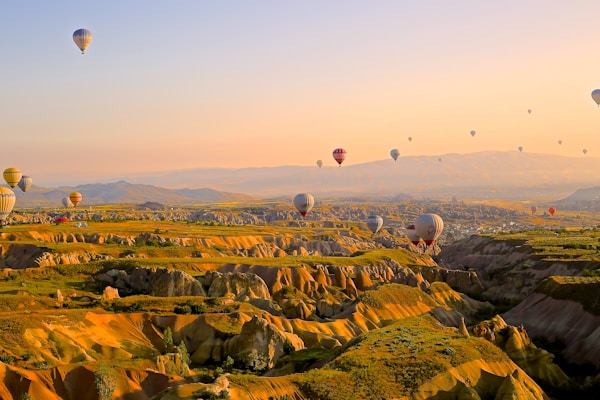
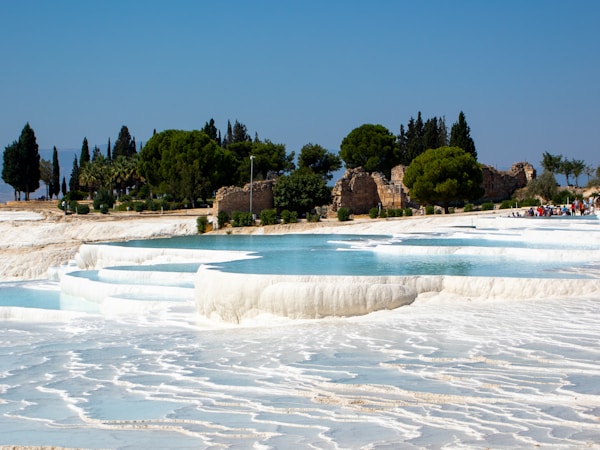
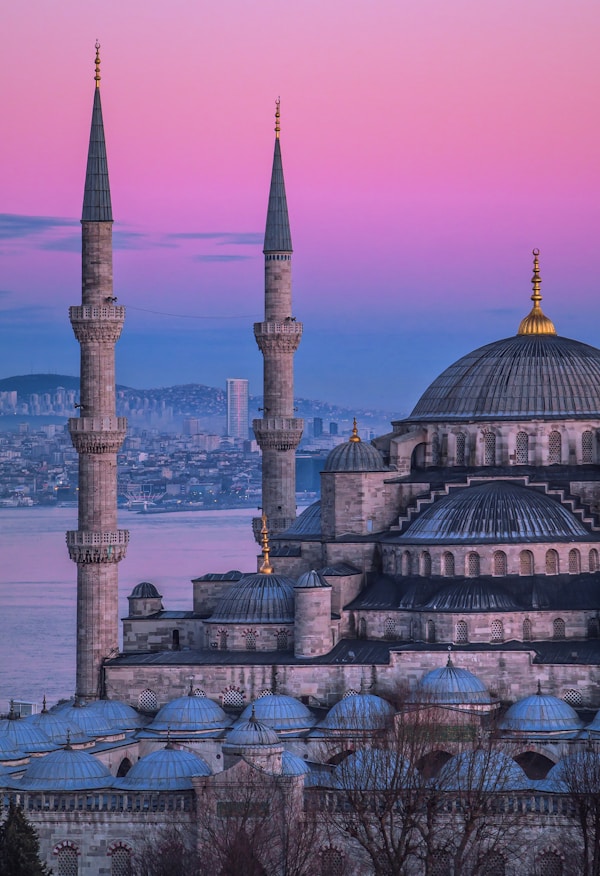
From Istanbul's majestic mosques and bustling bazaars to Cappadocia's fairy chimneys and hot air balloons, and the white travertine terraces of Pamukkale to the turquoise Mediterranean beaches of the Turkish Riviera, Turkey presents astonishing diversity.
The country served as the crossroads of civilisations for millennia; Greek, Roman, Byzantine, and Ottoman empires have all left their marks on its culture, architecture, and cuisine.
Turkey's strategic location has made it a melting pot of cultures, religions, and traditions. Ancient ruins rival those in Greece and Rome, Ottoman palaces showcase imperial grandeur, and modern Turkish cities pulse with contemporary energy.
The legendary Turkish hospitality, combined with exceptional value, world-class cuisine, and year-round sunshine in coastal regions, has made Turkey one of the world's most popular tourist destinations.
Whether exploring ancient Ephesus, floating in hot air balloons over Cappadocia, or sipping tea while watching floating vessels on the Bosphorus, Turkey captivates the imagination of every visitor.
Getting There
By Air
Istanbul Airport (IST) is Turkey's main international hub and one of the world's largest. Sabiha Gökçen Airport (SAW) also serves Istanbul.
Other major airports include Ankara (ESB), Antalya (AYT), İzmir (ADB), and Bodrum (BJV).
Turkish Airlines and several international carriers offer extensive connections.
Flight times: Three to four hours from Europe, eleven to twelve hours from US East Coast.
Visa Requirements
Many nationalities can obtain an e-Visa online before travel (quick and easy process).
Some nationalities receive visa-free entry or visa on arrival. US, UK, and Australian citizens receive 90-day tourist visas.
Always check current requirements for your nationality before travelling, as policies can change.
Best Time to Visit Turkey
Spring (April-May) and autumn (September-October) offer ideal weather across most regions, with comfortable temperatures and fewer crowds. Coastal areas are perfect in summer, while winter brings skiing opportunities in the east.
- Spring (April-May): Ideal weather across Turkey with mild temperatures (15-25°C), blooming wildflowers, and manageable crowds. Perfect for exploring Istanbul, ruins, and coastal areas. Cappadocia especially beautiful. Tulip season in Istanbul. Shoulder season pricing still applies early April.
- Summer (June-August): Peak tourist season with hot weather (30-40°C+ inland). Mediterranean and Aegean coasts perfect for beach holidays. Istanbul and Cappadocia can be sweltering. Expect crowds at major sites and highest prices. Coastal regions ideal but book ahead.
- Autumn (September-October): Excellent time to visit with pleasant weather, fewer crowds, and warm sea temperatures. September extends beach season while October offers comfortable sightseeing. Harvest season brings food festivals. Best combination of good weather and manageable tourism.
- Winter (November-March): Low season with cold, rainy weather in Istanbul and snow in Cappadocia (magical with snow-capped fairy chimneys). Coastal areas mild but many hotels closed. Excellent prices and empty sites. Ski season in mountains. Istanbul beautiful in winter with fewer tourists.
Top Attractions by Region
Aegean Coast
- Bodrum: Chic coastal resort with medieval castle and vibrant nightlife.
- Ephesus: Best-preserved classical city with Library of Celsus.
- Izmir: Modern coastal city with ancient Agora.
- Pamukkale: White travertine terraces and ancient Hierapolis.
- Pergamon: Impressive hilltop ruins with Acropolis.
Cappadocia
- Cave Hotels: Unique accommodation in carved-out caves.
- Fairy Chimneys: Surreal rock formations shaped by erosion.
- Göreme Open-Air Museum: Rock-cut churches with Byzantine frescoes.
- Hot Air Balloon Rides: Iconic sunrise flights over fairy chimneys.
- Underground Cities: Ancient multi-level cities carved into rock (Derinkuyu, Kaymaklı).
Istanbul
- Basilica Cistern: Atmospheric underground water reservoir with Medusa columns.
- Blue Mosque: Stunning Ottoman mosque with six minarets and blue Iznik tiles.
- Bosphorus Cruise: Strait separating Europe and Asia, lined with palaces.
- Grand Bazaar: One of world's oldest covered markets with 4,000 shops.
- Hagia Sophia: Architectural marvel, former church and mosque, now a museum.
- Spice Bazaar: Aromatic market selling spices, sweets, and Turkish delight.
- Topkapi Palace: Opulent Ottoman palace with treasury and harem.
Mediterranean Coast
- Antalya: Beach resort city with charming old town (Kaleiçi).
- Fethiye: Gateway to stunning coastline and Lycian ruins.
- Kaş: Laid-back coastal town with diving and paragliding.
- Ölüdeniz: Famous Blue Lagoon and paragliding from Babadağ Mountain.
- Side: Ancient ruins meeting sandy beaches.
Other Regions
- Ankara: Museum of Anatolian Civilisations.
- Gallipoli: WWI battlefields and memorials.
- Konya: Home of whirling dervishes and Rumi's mausoleum.
- Mount Nemrut: Giant stone heads atop mountain at 2,134 metres.
- Safranbolu: Ottoman houses.
- Troy: Legendary ancient city of Trojan War.
Turkish Cuisine
With food being central to local culture and hospitality in Turkey, Turkish cuisine ranks among the world's finest; blending Mediterranean, Middle Eastern, Central Asian, and Balkan influences.
- Baklava: Sweet phyllo pastry layered with nuts and syrup.
- Börek: Savoury pastries filled with cheese, meat, or vegetables.
- Kebabs: Varieties including döner, Adana, şiş, and İskender kebap.
- Lahmacun: Thin crispy flatbread with spiced meat topping.
- Mant: Turkish dumplings with yogurt and garlic butter.
- Mezze: Small plates including hummus, baba ghanoush, ezme, and haydari.
- Pide: Turkish flatbread pizza, boat-shaped with various toppings.
- Rakı: Ans anise-flavoured spirit, considered Turkey's national drink.
- Turkish Breakfast: Lavish spread with cheese, olives, tomatoes, cucumbers, honey, and eggs.
- Turkish Coffee: Thick, strong coffee prepared in a special pot.
- Turkish Delight (Lokum): Chewy confection in various flavours.
- Turkish Tea (Çay): Strong black tea served in tulip-shaped glasses.
Getting Around Turkey
Turkey is a vast and diverse country with a variety of transportation options to help you explore its cities, historical sites, and beautiful landscapes.
- Car Rentals: Excellent for exploring coastal regions and Cappadocia at your own pace. Roads are generally well-maintained. Driving in Istanbul is challenging and unnecessary. International driving permit recommended.
- Dolmuş: Shared minibuses are economical for short intercity trips.
- Domestic Flights: Turkey has a well-developed network of domestic flights connecting major cities and tourist destinations. Turkish Airlines, Pegasus, and SunExpress offer affordable flights. Istanbul to Cappadocia, Antalya, or Izmir takes a little over an hour.
- Ferries: Ferries serve the Aegean islands and are a scenic way to cross the Bosphorus in Istanbul.
- Intercity Buses: Turkey's intercity bus network is extensive, comfortable, and economical. Major companies include MetroTurizm, Kamil Koç, and Pamukkale; with long-distance buses offering WiFi, refreshments, and attendants. Bus stations (otogar) are found in all major cities and tickets are cheap, compared to flights.
- Local Transport: Istanbul has metro, trams, ferries, and buses. İstanbulkart rechargeable card works on all public transport. Taxis and ride-hailing apps (BiTaksi, Uber) available in cities.
- Trains: The Turkish State Railways (TCDD) operates a limited but improving network on a number of routes, including high-speed trains between Istanbul, Ankara, and Konya. Trains offer scenic views and a different travel experience, but tend to be slower than buses.
Practical Tips
- Bargaining is Expected: Haggling is part of shopping culture at bazaars and markets. Start at 50% of asking price. Be friendly and respectful. Fixed prices in modern stores.
- Book Cappadocia Balloons Early: Hot air balloon rides are extremely popular; it's what many travellers and influencers come here for. Book weeks or months ahead, especially for peak season. Balloon flights are weather dependent, so plan with a flexible schedule.
- Cash Still Important: While cards are increasingly accepted, carry lira for small shops, markets, and rural areas. ATMs are widely available. Exchange rates fluctuate significantly.
- Dress Modestly: Especially outside Istanbul and coastal resorts. Cover shoulders and knees for mosques and conservative areas. Beaches and resorts are relaxed.
- Language Basics: Learn: 'Merhaba' (hello), 'Teşekkür ederim' (thank you), 'Lütfen' (please). English widely spoken in tourist areas. Gesture and smile go far.
- Mosque Etiquette: Remove shoes, dress modestly (covered shoulders/knees), women cover hair. Avoid visiting during prayer times. Free entry to most mosques.
- Ramadan Awareness: During Ramadan, eating/drinking in public during daytime may be inappropriate in conservative areas. Tourist areas remain open. Special iftar meals at sunset.
- Scams to Avoid: Beware of shoe-shine scam, overpriced restaurant touts, carpet shop pressure. Use metered taxis or ride apps. Research prices beforehand.
- SIM Cards: Tourist SIM cards are available at airports from Turkcell, Vodafone, and Türk Telekom. Registration required with passport. Affordable data plans.
- Tap Water: Not recommended for drinking. Stick to bottled water, which is widely available and cheap. Using tap water for brushing teeth is generally fine.
- Tipping Culture: Round up taxi fares. Leave 10-15% at restaurants if service is not included. Small tips for hotel staff, tour guides, and drivers is always appreciated.
- Turkish Bath (Hamam): Traditional bathing experience. Gender-separated or designated times. Bring swimsuit for mixed sessions. Scrub and massage treatments available. Tip attendants 10-15%.
- Turkish Hospitality: Turks are famously hospitable. Accepting tea offers is polite. Don't refuse initial offers; it's part of the culture. 'Hoş geldiniz' (welcome) will be heard often.
Regional Travel Guides
Turkey travel guides written by people in the know - a community of expats, Turkish locals and regular visitors to Türkiye.


Travel writers and photographers are invited to join our team of travel content creators.