Overview
Portugal enchants with its sun-drenched beaches, historic tiles decorating every surface, and the melancholic beauty of fado music drifting through cobblestone lanes.
From Lisbon's seven hills to Porto's riverside wine cellars, dramatic cliffs of the Algarve to the volcanic landscapes of the Azores, Portugal offers authentic charm without the crowds of other Mediterranean destinations.
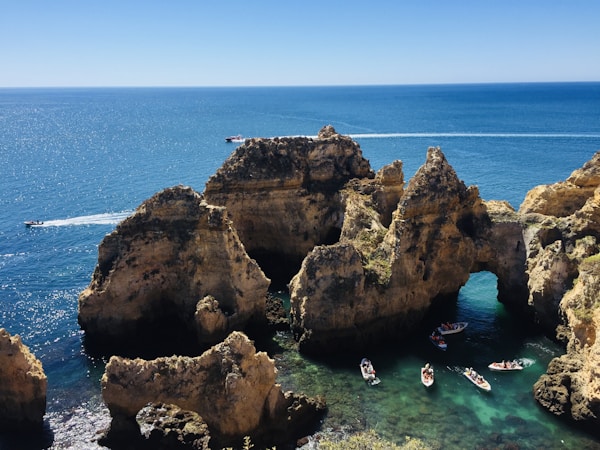
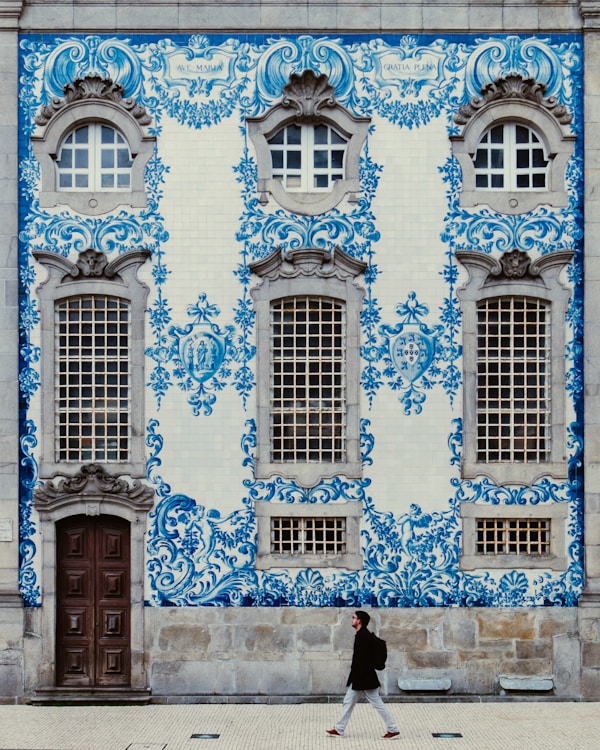
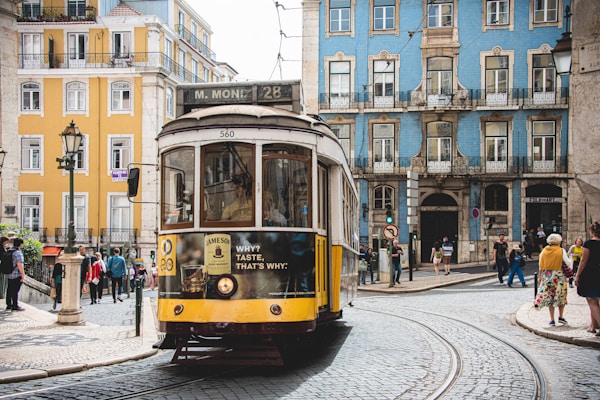
Whether you're riding iconic yellow trams, sampling pastéis de nata in century-old bakeries, surfing Atlantic swells, or exploring medieval castles and monasteries, Portugal welcomes you with warmth, affordability, and an irresistible lifestyle called 'saudade'; a longing you'll understand only after you visit.
Getting There
By Air
Lisbon Humberto Delgado Airport (LIS) is Portugal's main international gateway. Porto Airport (OPO) serves northern Portugal, with many European connections, while Faro Airport (FAO) provides access to the Algarve.
Visa Requirements
Schengen visa rules apply. EU/EEA citizens need no visa. Many nationalities can visit visa-free for up to 90 days within 180 days. Verify requirements for your nationality.
Best Time to Visit Portugal
Spring and autumn offer ideal conditions across most of Portugal. Summer is perfect for beaches but can be crowded. Mild winters make Portugal attractive year-round, especially in the south.
- Spring (March-May): Wildflowers bloom, pleasant temperatures, and fewer tourists.
- Summer (June-September): Beach season, festivals, hot inland, and busy coastal areas.
- Autumn (September-November): Grape harvest, mild weather, ideal for cities.
- Winter (December-February): Mild climate, surfing season, and festive Christmas traditions.
Top Attractions
Algarve
- Albufeira's nightlife and marina.
- Golden beaches and dramatic cliff coastlines.
- Lagos's Ponta da Piedade sea caves.
- Tavira's island beaches and Roman bridge.
Atlantic Islands
- Azores volcanic landscapes and whale watching.
- Madeira's levada walks and cliff pools.
- Year-round mild climate and natural beauty.
Central Portugal
- Batalha Monastery Gothic architecture.
- Coimbra's ancient university.
- Óbidos medieval walled town.
- Sintra's fairy-tale palaces and Quinta da Regaleira.
Lisbon
- Alfama's narrow streets and fado houses.
- Belém Tower and Jerónimos Monastery.
- São Jorge Castle panoramic views.
- Tram 28 through historic neighbourhoods.
Porto & North
- Douro Valley terraced vineyards.
- Guimarães medieval birthplace of Portugal.
- Livraria Lello bookstore stunning interior.
- Ribeira riverside district and wine cellars.
Portuguese Cuisine
Portuguese cuisine celebrates fresh seafood, quality ingredients, and bold flavours influenced by its maritime history. Must-try dishes include:
- Bacalhau: Salt cod prepared in countless ways (365 recipes tradition).
- Caldo Verde: Comforting kale and potato soup with chorizo.
- Cataplana: Seafood stew cooked in copper pot; an Algarve tradition.
- Francesinha: Porto's decadent sandwich with meat and cheese sauce.
- Grilled Sardines: ummer staple, especially during Santos Populares festivals.
- Pastéis de Nata: Custard tarts with caramelised tops; a Lisbon specialty.
- Piri-Piri Chicken: Grilled with spicy sauce.
- Port Wine: Sweet fortified wine from Douro Valley.
- Vinho Verde: Light, slightly sparkling young wine.
Getting Around Portugal
Portugal boasts an excellent public transport network, especially in cities like Lisbon and Porto. The metro systems are modern and easy to use, and buses and trams cover most urban areas. For intercity travel, trains and coaches (such as Flixbus) are reliable and cost-effective, with frequent services between major destinations like Lisbon, Porto, and Faro.
- Buses: Extensive coverage including areas without trains; Rede Expressos being the main operator.
- Domestic Flights: TAP connects the Portuguese mainland with the Azores and Madeira. Also operates short flights between Lisbon and Porto; if you're so included.
- Ferries: Cross the Tagus River in Lisbon; and serve various coastal routes.
- Metro: Efficient systems in Lisbon and Porto.
- Rental Cars: Best for exploring countryside, Algarve beaches, and Douro Valley.
- Ridesharing: Uber and Bolt operate in major cities.
- Trains: Comfortable connections between major cities; CP (Comboios de Portugal) operates the network.
- Trams & Funiculars: Iconic Lisbon tram 28 and historic elevadores.
Practical Tips
- Beach warning flags: green (safe), yellow (caution), red (danger).
- Credit cards widely accepted, but carry some cash for small purchases.
- Fado performances have etiquette; silence and respect during singing.
- Learn a few Portuguese phrases: 'Olá' (hello), 'brigado/a' (thank you), 'Por favor' (please).
- Many museums close Mondays.
- Portugal is very safe, but watch for pickpockets in tourist areas.
- Portuguese is not Spanish; don't assume they're interchangeable.
- Portuguese people are warm but may seem reserved initially.
- Siesta time is sacred; many businesses close 1-3pm.
- Tap water is safe to drink.
- Tipping 5-10% is appreciated but not obligatory.
Regional Travel Guides
Portugal travel guides written by people in the know - a community of expats, Portuguese locals and regular visitors to Portugal.


Travel writers and photographers are invited to join our team of travel content creators.