Overview
Germany seamlessly blends fairy-tale castles with cutting-edge design, medieval town squares with vibrant street art, and centuries-old beer halls with innovative Michelin-starred restaurants.
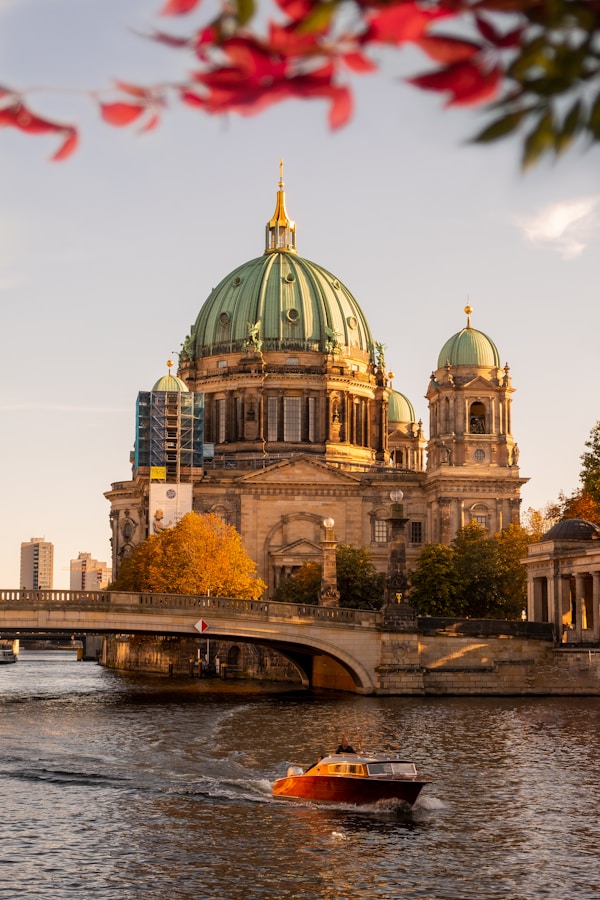
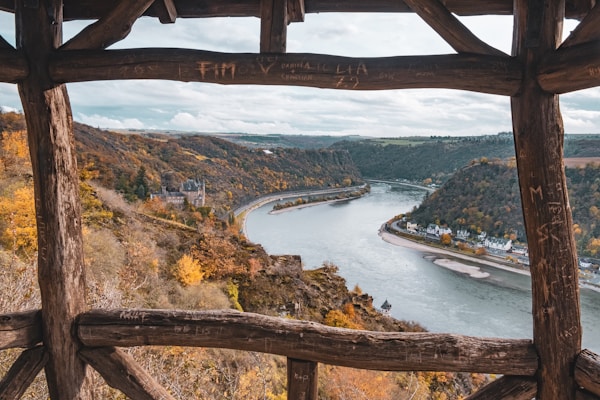
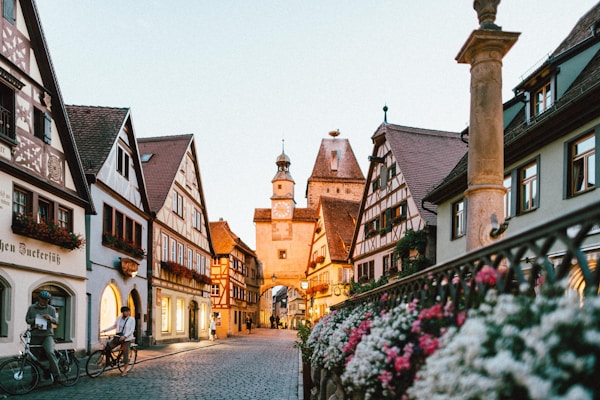
From the cosmopolitan energy of Berlin to the alpine beauty of Bavaria, the romantic Rhine Valley to the maritime charm of the Baltic coast, Germany offers remarkable diversity.
Whether you're exploring Gothic cathedrals, hiking through the Black Forest, celebrating at Oktoberfest, or tracing Cold War history along the Berlin Wall, Germany delivers rich cultural experiences alongside exceptional efficiency and hospitality.
Getting There
By Air
Frankfurt (FRA) and Munich (MUC) airports are Germany's largest international hubs. Berlin (BER), Düsseldorf (DUS), Hamburg (HAM), and Cologne (CGN) also offer extensive international connections.
Visa Requirements
Schengen visa rules apply. EU/EEA citizens need no visa. Many nationalities can visit visa-free for up to 90 days within 180 days. Check specific requirements for your nationality.
Best Time to Visit Germany
Late spring through early autumn (May-September) offers the best weather for sightseeing and outdoor activities. December is magical for Christmas markets, while winter sports enthusiasts will love the alpine season.
- Spring (April-May): Mild weather, fewer crowds, and blooming gardens.
- Summer (June-August): Peak season, festivals, beer gardens, and warm weather.
- Autumn (September-October): Oktoberfest, fall foliage, and harvest festivals.
- Winter (November-March): Christmas markets, skiing, and off-season pricing.
Top Attractions by Region
Bavaria
- Bayerischer Wald (Bavarian Forest).
- Deutsche Alpenstrasse (German Alpine Road).
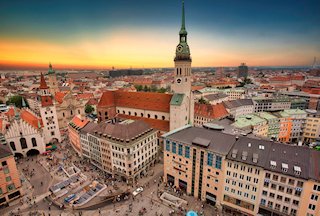
- Munich's Marienplatz and beer halls.
- Nuremberg's medieval old town.
- Neuschwanstein Castle fairy-tale setting.
- Romantic Road scenic route.
Berlin
- Berlin Wall Memorial and East Side Gallery.
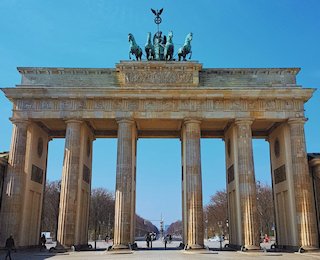
- Brandenburg Gate and Reichstag dome.
- Museum Island's world-class collections.
- Vibrant nightlife and street art scene.
Black Forest & Southwest
- Baden-Baden's thermal spas.
- Freiburg's sunny climate and medieval centre.
- Lake Constance and medieval Konstanz.
- Triberg waterfalls and cuckoo clocks.
Northern Germany
- Baltic Sea beaches and resort towns.
- Bremen's Town Musicians statue and market square.
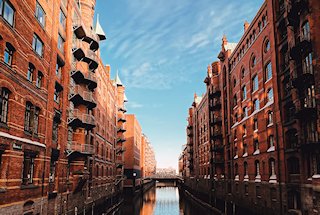
- Hamburg's harbour and Speicherstadt warehouse district.
- Lübeck's Hanseatic architecture.
Rhine & Moselle Valleys
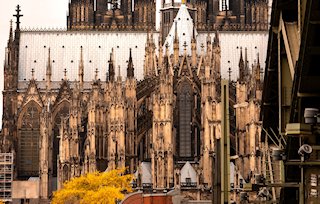
- Cologne Cathedral Gothic masterpiece.
- Heidelberg's romantic old town and castle.
- Rhine River cruises past castle-topped hills.
- Wine villages and vineyard terraces.
German Cuisine
German cuisine offers hearty, satisfying dishes that go far beyond sausages and beer. Regional specialties vary significantly. Must-try dishes include:
- Black Forest Cake: Chocolate, cherries, and cream layers.
- Bratwurst: Grilled sausages varying by region (Nuremberg, Thuringia).
- Currywurst: Berlin street food with curry ketchup.
- German Beer: Pilsner, Hefeweizen, seasonal varieties following Reinheitsgebot purity law.
- Pretzels (Brezeln): Soft, salty, baked pastry; perfect with beer.
- Sauerbraten: Pot roast marinated in vinegar and spices.
- Schnitzel: Breaded and fried cutlet, Viennese-style.
- Spätzle: Soft egg noodles, Swabian specialty.
Getting Around Germany
Germany offers an excellent and diverse transportation network, making it easy to travel both within cities and across the country. Whether you prefer trains, buses, cars, or flights, there are convenient options to suit different travel styles and budgets.
- Bicycles: Bike-friendly cities with dedicated cycle lanes; city bike rentals widely available.
- Domestic Flights: Quick but often unnecessary given train efficiency.
- Long-Distance Buses: Major bus operators like FlixBus and MeinFernbus connect most towns and cities, including remote areas. Buses are often cheaper than trains but may take longer.
- Public Transport: Excellent metro, tram, and bus systems in all cities; day passes offer good value.
- Rental Cars: Useful for romantic routes and countryside; autobahns have no general speed limit.
- Trains: Deutsche Bahn (DB) is the main rail operator, providing extensive coverage with high-speed trains (ICE) connecting major cities and regional trains (Regionalexpress) serving smaller towns.
- River Cruises: Scenic way to explore the Rhine and other waterways.
Practical Tips
- Cash is still widely used; not all places accept cards.
- Germans value punctuality; arrive on time for reservations.
- Jaywalking is frowned upon.
- Learn basic phrases: 'Guten Tag' (hello), 'Danke' (thank you), 'Entschuldigung' (excuse me).
- Public drinking is legal but rowdiness is not tolerated.
- Quiet hours (Ruhezeit) typically 10pm-6am and Sunday afternoons.
- Recycle properly; Germans take waste separation seriously.
- Restaurant service isn't included; round up or tip 5-10%.
- Shops typically closed on Sundays except in train stations.
- Tap water is safe and high quality.
Regional Travel Guides
Germanyy travel guides written by people in the know - a community of expats, German locals and regular visitors to Germany.



Travel writers and photographers are invited to join our team of travel content creators.