Overview
Croatia emerged from Yugoslavia's shadow to become Europe's must-visit destination, where ancient history meets modern Mediterranean lifestyle with azure waters, sun-soaked islands, and a coastline that rivals any in the world.
The Adriatic coast stretches over 1,700km, scalloped with secluded coves, dramatic cliffs, and over 1,000 islands ranging from party havens to untouched nature reserves. Game of Thrones fans recognize Dubrovnik's medieval walls, but Croatia offers far more than filming locations.
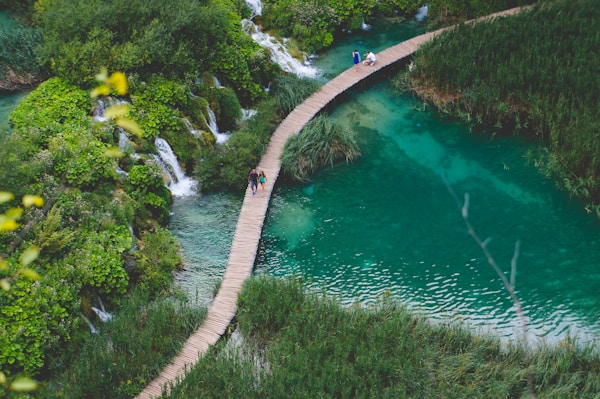
Inland, Zagreb's Austro-Hungarian architecture and café culture contrast with the coast's relaxed pace. Plitvice Lakes' cascading waterfalls and turquoise pools create natural wonders that seem impossible. Istrian hilltop towns preserve Italian influences through cuisine and architecture. Dalmatian cities like Split and Zadar blend Roman ruins with contemporary energy.
What distinguishes Croatia is accessibility without sacrificing authenticity. You can swim in crystalline waters in the morning, explore 2,000-year-old Roman ruins by afternoon, and dine on fresh Adriatic seafood at sunset.
Croatians maintain fierce pride in their heritage while welcoming visitors warmly. The cuisine borrows from Italian, Turkish, and Hungarian traditions, creating distinctive regional flavours. And despite increasing tourism, quiet corners remain in Croatia; where fishing villages maintain traditional rhythms unchanged for generations.
Getting There
By Air
Zagreb (ZAG), Split (SPU), and Dubrovnik (DBV) airports serve international flights. Budget airlines connect Croatia affordably to European cities year-round, with increased frequency in the summer months. Smaller airports in Zadar, Pula, and Rijeka handle seasonal routes.
By Land
Excellent bus connections link Croatia to neighbouring Slovenia, Bosnia and Herzegovina, Serbia, and Montenegro. Zagreb is well-connected to Central European cities by bus and train.
By Sea
Ferry services connect Italy (Ancona, Bari, Venice) to the Croatian coast (Split, Zadar, Dubrovnik). Catamaran services also link coastal cities and islands.
Visa Requirements
EU/EEA citizens need a valid passport. US, Canadian, Australian, and New Zealand citizens can visit visa-free up to 90 days within 180-day period. Croatia joined Schengen Area in 2023, allowing free movement from other Schengen countries without border controls.
Best Time to Visit Croatia
The ideal time to visit Croatia depends on your preferences for weather, crowd levels, and activities.
- Spring (April-June): Ideal time combining pleasant weather (15-25°C), fewer crowds, and lower prices. Lavender blooms on islands, outdoor cafés open, and locals reclaim their beaches. May and June are particularly lovely.
- Summer (July-August): Peak season with hot weather (25-35°C), festival season, and beach clubs in full swing. Adriatic reaches perfect swimming temperature. Expect crowds at major attractions, higher prices, and advance booking essential. Croatian vacation period (July-August) fills coastal accommodations.
- Autumn (September-October): September rivals June for best conditions; warm sea, comfortable temperatures (20-27°C), thinning crowds, and harvest festivals. October brings wine harvest in Istria and inland regions. Sea remains warm through September.
- Winter (November-March): Coastal cities quieten down dramatically, with many hotels and restaurants closing. Zagreb and inland regions offer Christmas markets, skiing in Gorski Kotar, and authentic local experiences. Mild coastal winters (8-15°C) appeal to budget travellers seeking solitude.
Top Attractions by Region
Dubrovnik & Southern Dalmatia
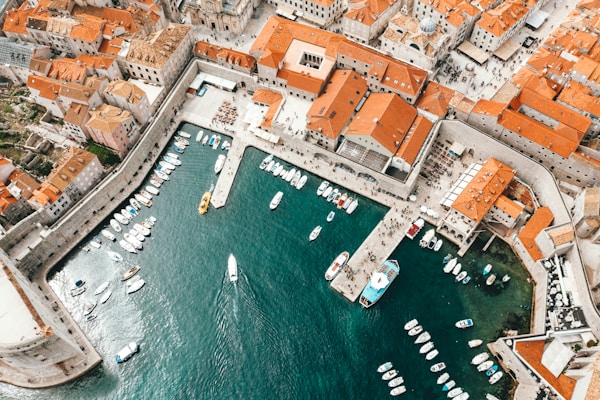
- Dubrovnik Old Town: Walk the 2km medieval walls encircling this UNESCO site. Stradun's polished limestone gleams beneath Baroque buildings. Red-tiled roofs, fortresses, and azure Adriatic create breathtaking views. Take cable car to Mt. Srđ for sunset perspectives.
- Elaphiti Islands: Day trip by ferry to car-free islands Koločep, Lopud, and Šipan. Sandy beaches, pine forests, and village restaurants offer peaceful escapes from Dubrovnik crowds.
- Mljet National Park: Dense forests, saltwater lakes, and a monastery on an island within an island create magical landscapes. Rent bikes or kayaks to explore properly.
Istria
- Hilltop Towns: Motovun, Grožnjan, and Hum preserve medieval character on hilltops overlooking vineyards and truffle forests. Istrian interior offers agritourism, wine roads, and autumn truffle festivals.
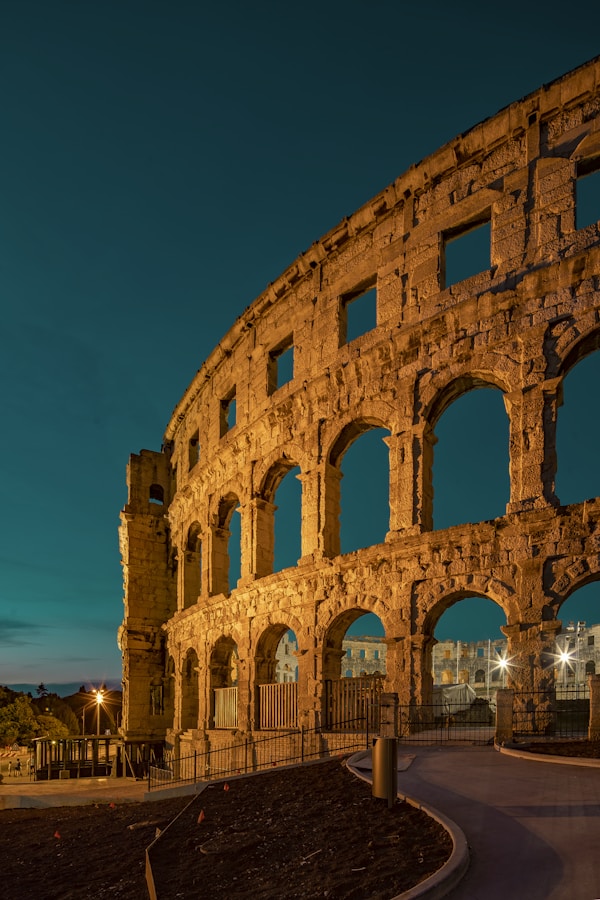
- Pula: Remarkably preserved Roman amphitheatre hosts concerts and film festivals. Temple of Augustus, Triumphal Arch, and ancient forum make Pula a living Roman museum.
- Rovinj: Impossibly picturesque fishing village with colourful buildings tumbling to the harbour, church spire punctuating skyline, and island atmosphere. Galleries, seafood restaurants, and sunset walks define evenings.
Split & Central Dalmatia
- Brač & Vis: Brač's Zlatni Rat beach shape shifts with currents. Vis, closed to foreigners until 1989, preserves authentic character with excellent wineries and the stunning Blue Cave on nearby Biševo island.
- Diocletian's Palace: Roman Emperor Diocletian's retirement home forms Split's living heart. Locals occupy ancient walls, shops fill former imperial quarters, and restaurants spill into peristyle squares where emperors once walked.
- Hvar: Lavender island famous for yacht parties and Venetian architecture. Hvar Town's marble streets, fortress views, and beach clubs attract glamorous crowds. Explore quieter villages and lavender fields inland.
Zadar & Northern Dalmatia
- Kornati Islands National Park: Eighty-nine islands of raw karst beauty accessible by sailboat or day tour. Dramatic cliffs plunge into transparent waters, perfect for swimming and snorkelling.
- Krka National Park: Seven waterfalls cascade through lush canyons. Unlike Plitvice, swimming is permitted in designated areas. Less crowded than Plitvice, equally beautiful.
- Zadar: Underappreciated gem combining Roman ruins, medieval churches, and contemporary installations. Sea Organ creates music from waves. Sunset at Sun Salutation mesmerises. Fewer crowds than Split or Dubrovnik.
Zagreb & Inland
- Plitvice Lakes National Park: Croatia's natural masterpiece features sixteen terraced lakes connected by waterfalls through forested ravines. Wooden walkways wind past turquoise waters. UNESCO-protected. Arrive early or late to avoid crowds.
- Zagorje: Rolling hills north of Zagreb hide castles, thermal spas, and vineyard-covered slopes. Kumrovec village preserves traditional architecture and celebrates peasant heritage.
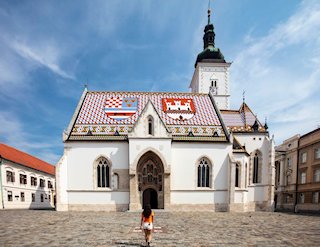
- Zagreb: Croatia's capital city blends Austro-Hungarian grandeur with alternative culture. Upper Town's medieval core, St. Mark's colourful-tiled roof, Dolac Market's bounty, and Museum of Broken Relationships' creativity showcase Zagreb's character.
Croatian Cuisine
Croatian cuisine varies dramatically by region, reflecting Italian, Turkish, Hungarian, and Austrian influences.
- Coastal Specialties: Fresh Adriatic fish grilled simply with olive oil, garlic, and lemon. Black risotto (crni rižot) coloured with cuttlefish ink. Brudet (fish stew) varies by town. Pag cheese from Pag Island rivals any Mediterranean cheese. Dalmatian pršut (prosciutto) appears on every menu.
- Drinks: Croatian wines deserve serious attention; plavac mali, pošip, malvazija, and graševina. Rakija (fruit brandy) starts meals. Craft beer scene thrives in Zagreb.
- Istrian Cuisine: Truffle-infused dishes dominate autumn. Pasta with truffles, truffle omelettes, and even truffle ice cream. Italian influence shows in pasta, pizza, and seafood. Istrian malvazija wine pairs perfectly.
- Pastries: Kremšnita (custard cream cake) in Samobor, rožata (similar to crème caramel) in Dubrovnik, and fritule (small doughnuts) at festivals.
- Seafood: Octopus salad, buzara (shellfish in wine-tomato sauce), whole fish priced by kilogram, and oysters from Ston's ancient farms provide unmatched freshness along the coast.
- Zagreb & Inland: Hearty central European fare; štrukli (cheese-filled pastry), čobanac (meat stew), sarma (stuffed cabbage rolls), and grilled meats. Hungarian paprika spices many dishes.
Getting Around Croatia
Croatia offers several transportation options for travellers, each with its own advantages depending on your itinerary, budget, and preferences. If you prefer not to drive, buses combined with ferries provide a comprehensive way to explore most of Croatia, especially the coast and major cities.
- Buses: Extensive network connects all cities and towns efficiently. Flixbus and Croatian companies offer comfortable, affordable transport. Book online for popular routes.
- Car Rental: Best option for exploring Istria, national parks, and less-accessible areas. Coastal highway (Jadranska Magistrala) offers spectacular views. Summer traffic congests coastal route. International driving permit helpful. Book ahead for summer.
- Cycling: Growing network of bike routes, particularly Istria's Parenzana trail along former railway. Coastal traffic makes cycling challenging during summer months.
- Domestic Flights: Croatia Airlines connects Zagreb with Split and Dubrovnik. Useful for one-way trips avoiding backtracking.
- Ferries & Catamarans: Jadrolinija operates car ferries between mainland and islands. Faster catamarans serve passenger routes. Reserve car space ahead in summer. Island-hopping requires planning around ferry schedules.
- Rideshares & Transfers: Uber operates in major cities. Private transfers connect airports to destinations, especially useful for Dubrovnik due to distance from town.
Practical Tips
- Accommodation: Book well ahead for July-August coastal stays. Apartments (sobe) offer good value and local interaction. Agritourism in Istria provides authentic experiences. Many coastal properties close from November to March.
- Beaches: Mostly pebble or rock, not sand. Water shoes recommended. Beach clubs rent loungers and umbrellas. Some charge entry. Best beaches require boats or hiking.
- Crowds: Dubrovnik overwhelms with cruise ship passengers around midday in summer months. Visit early morning or evening. Shoulder seasons transform experience.
- Costs: Croatia remains more affordable than Western Europe but prices rise along coast, especially on the islands. Inland regions and Zagreb offer better value. Tourist tax added to accommodation.
- Etiquette: Dress modestly when visiting churches. Topless sunbathing acceptable on beaches. Croats appreciate attempts at Croatian greetings; 'Dobar dan' (good day), 'Hvala' (thank you).
- Language: English widely spoken in tourist areas. Italian helpful in Istria. Older generations may speak German. Learning basic Croatian phrases appreciated.
- Money: Credit cards widely accepted. Carry cash for small establishments, parking, and smaller towns. ATMs plentiful.
- Safety: Very safe country. Standard precautions in cities. Sea urchins present on rocky shores, so watch your footing.
- Swimming: Adriatic lacks tides but has occasional jellyfish. Transparent water reveals sea urchins on rocks. Beaches lack lifeguards generally.
- WiFi: Available in most accommodations and cafés. SIM cards readily available for data.
Regional Travel Guides
Croatia travel guides written by people in the know - a community of expats, Croatian locals and regular visitors to Croatia.
Travel writers and photographers are invited to join our team of travel content creators.