Overview
Austria is a captivating destination that blends majestic Alpine landscapes with rich imperial heritage; offering visitors natural beauty with cultural sophistication. Austria distills European excellence into a compact alpine nation where Baroque palaces, crystalline lakes, and soaring mountains create scenes of operatic drama.
Mountains that touch the heavens, music that stirs the soul, and beauty that defies description. This is Mozart's homeland, where music isn't just entertainment but essential as breathing. Imperial Vienna's coffee houses preserve intellectual traditions, while ski resorts have perfected mountain hospitality over centuries.
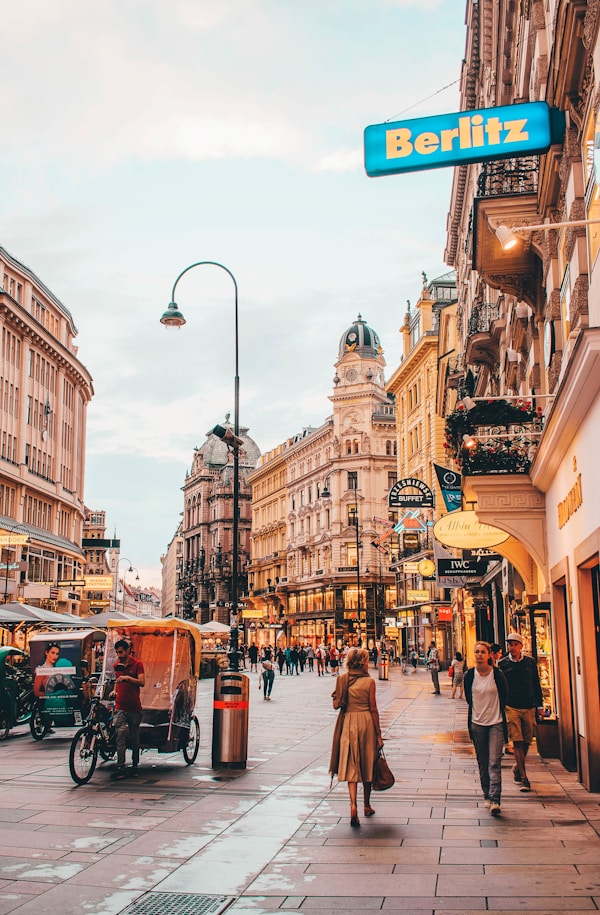
Beyond postcard-perfect Salzburg and opulent Vienna lies a country of remarkable diversity. Vorarlberg's avant-garde architecture contrasts with Tyrol's traditional chalets. Styria's wine roads wind through gentle hills while Carinthia's lakes warm to Mediterranean temperatures.
Austria's manageable size belies its wealth of experiences. You can cross the country in around five hours on the motowray; not that you'd actually want to.
What strikes visitors most is Austria's refinement without pretension. World-class museums charge modest fees. Michelin-starred restaurants sit next to mountain huts serving hearty traditional fare. Classical concerts fill churches and palaces nightly, accessible to all.
Austrians have mastered quality of life through attention to detail; from perfectly maintained hiking trails to café culture that encourages lingering. The Alps dominate geography and gastronomy, shaping everything from traditional hospitality to leisure time with nature. And everywhere you'll find that distinctly Austrian Gemütlichkeit, a cosy contentment, makes visitors feel not just welcome, but understood and appreciated.
Getting There
By Air
Vienna International Airport (VIE) serves as Central Europe's major hub with connections worldwide. Salzburg (SZG), Innsbruck (INN), and Graz (GRZ) handle European and some international flights. Budget carriers connect Austria affordably to European cities.
By Train
Excellent rail connections throughout Europe. Austria has direct train links with neighbouring Germany, Switzerland, Italy, Czech Republic, Hungary, and Slovenia. ÖBB (Austrian Federal Railways) offers comfort and punctuality with night trains connecting major European cities.
By Car
Austria's central location makes driving accessible from all neighbouring countries. Vignettes (toll stickers) are required for Autobahns (motorways), and can be purchased at borders or petrol stations.
Visa Requirements
EU/EEA citizens need valid passport or national ID. Schengen visa holders can enter freely. US, Canadian, Australian, and New Zealand citizens visit visa-free up to 90 days within 180-day period.
Best Time to Visit Austria
Choosing the best time to visit Austria depends on your interests; whether you want vibrant festivals and hiking the hills in summer; sporting activities on the piste in winter; or quieter, scenic exploration during shoulder seasons.
- Spring (April-June): Alps burst with wildflowers, cities enjoy mild weather (12-22°C), and tourist season hasn't peaked. Vienna's gardens bloom spectacularly. Hiking trails open as snow retreats. May and June ideal for combining cities and mountains.
- Summer (July-August): Peak season everywhere. Mountains perfect for hiking with all trails and huts open. Alpine lakes warm enough for swimming. Classical music festivals throughout country. Cities can feel hot (25-30°C). Expect crowds and higher prices, especially Salzburg during festival season.
- Autumn (September-October): Exceptional time combining warm days (15-23°C), autumn colours in wine regions, harvest festivals, and thinning crowds. Vienna's cultural season begins with opera and concert schedules. Wine taverns (Heurigen) celebrate new wine in Vienna Woods (Wienerwald).
- Winter (December-March): Ski season dominates Alps with world-class resorts. Christmas markets transform cities into fairy tales. Vienna's Ball Season (January-February) showcases imperial traditions. Some mountain roads and passes close November-April. Cold in cities (0-5°C) but atmospheric.
Top Attractions by Region
Burgenland
- Bernstein Castle: This thousand-year-old fortress is a beautiful Baroque gem known for its connection to the Habsburgs, who used it as a summer and hunting residence. It is also a great place to enjoy Burgenland’s renowned wines.
- Güssing Castle: Dating back to 1157, Güssing Castle is the oldest castle in Burgenland. It has been expanded over the centuries and transformed into a walled fortress. Visitors can reach the castle via a modern funicular railway, which takes just two minutes to ascend.
- Lake Neusiedl-Seewinkel National Park: A well-known natural highlight, this national park is famous for its unique landscape and birdwatching opportunities. It is a must-see for nature lovers and those interested in outdoor activities
- Rust Town and its White Storks: Rust is famous for its 14th-century Gothic parish church with a valuable wooden altar. The town is also known for the nesting of over 40 pairs of white storks on roofs and chimneys, attracting thousands of visitors annually
Salzburg
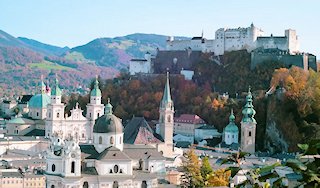
- Altstadt (Old Town): Baroque masterpiece where Mozart was born. Getreidegasse's wrought-iron shop signs, Salzburg Cathedral's grandeur, and Residenz's state rooms capture princely power of archbishop-rulers.
- Festivals: Summer Salzburg Festival (late July-August) brings world's finest classical performers. Mozart Week in January celebrates the hometown genius. Christmas markets extend throughout December.
- Hohensalzburg Fortress: Europe's largest fully preserved fortress crowns the city. Funicular climbs to medieval rooms, museums, and panoramic views over Alps.
- Sound of Music Trail: Love it or hate it, Salzburg celebrates the film. Tour hits Mirabell Gardens, Nonnberg Abbey, and locations around the lakes. Film unknown in Austria but embraced for tourism.
Salzkammergut
- Bad Ischl: Imperial spa town where Emperor Franz Joseph summered. Belle Époque villas, operetta tradition, and Zauner café's pastries preserve imperial atmosphere.
- Hallstatt: Possibly Austria's most photographed village clings to lakeside beneath soaring peaks. 7,000-year-old salt mine, charnel house with painted skulls, and overwhelming beauty attract crowds. Visit early morning or evening.
- Lakes: Dozens of crystalline lakes offer swimming, sailing, and mountain reflections. Less crowded alternatives to famous Hallstatt include Grundlsee, Altaussee, and Gosausee.
- St. Wolfgang & Wolfgangsee: Market square filled with frescoed buildings, pilgrimage church, and cable car to Schafberg peak. Historic White Horse Inn overlooks the lake.
Styria (Steiermark) & Carinthia (Kärnten)
- Carinthian Lakes: Wörthersee, Millstätter See, and Ossiacher See warm to 28°C in summer, making them Austria's riviera. Swimming, sailing, and lakeside promenades offer Alpine Mediterranean atmosphere.
- Graz: Austria's second city blends Renaissance courtyards with contemporary architecture. Kunsthaus (modern art's 'Friendly Alien'), Schlossberg clock tower, and surrounding wine region create a relaxed alternative to Vienna.
- Styrian Wine Roads: South Styria's rolling hills covered with vineyards produce excellent whites. Wine taverns (Buschenschänke) serve cold plates with new wine. Autumn harvest festivals celebrate abundance.
Tyrol & Vorarlberg
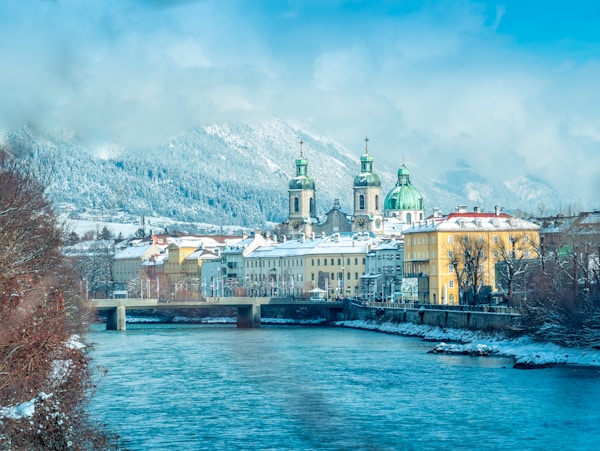
- Innsbruck: Alpine capital surrounded by peaks. Golden Roof glitters in old town, Bergisel Ski Jump offers Zaha Hadid architecture and views, and Nordkette cable car whisks visitors from city to mountain top in minutes.
- Ski Resorts: St. Anton, Kitzbühel, Ischgl, and dozens more provide world-class skiing. Tyrolean hospitality, mountain huts (Hütten) serving hearty food, and reliable snow November-April. Summer transforms resorts to hiking paradises.
- Vorarlberg: Western-most province shows Swiss influence in architecture and cuisine. Bregenz Festival stages opera on Lake Constance with Alps as backdrop. Modern architecture alongside traditional farming creates fascinating contrasts.
- Zillertal & Ötztal: Deep valleys penetrate the Alps offering glacier skiing year-round, thermal spas, traditional villages, and Austria's highest peaks.
Vienna
- Coffee House Culture: Café Central, Café Sacher, and countless others preserve tradition of lingering over coffee and cake with newspapers on wooden holders. Order Wiener Melange (similar to cappuccino) and Sachertorte.
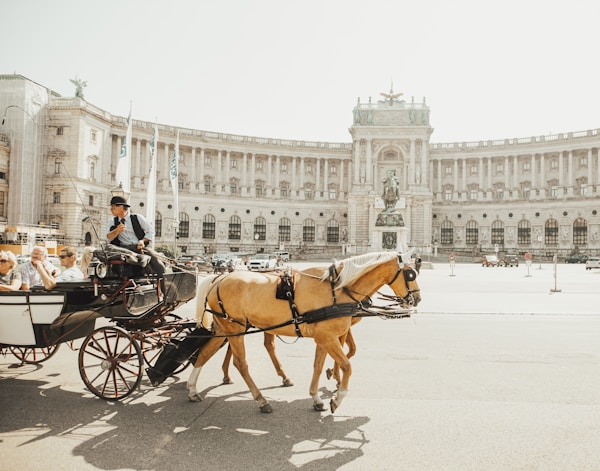
- Historic Centre: UNESCO-protected core features Hofburg Palace (former imperial residence), St. Stephen's Cathedral's Gothic splendour, and Spanish Riding School's Lipizzaner stallions. Walk Ringstrasse boulevard past grand buildings erected after city walls fell in 1857.
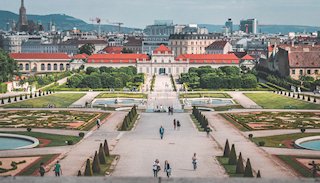
- Museums: Kunsthistorisches Museum houses imperial art collection; Bruegel, Vermeer, Velázquez. MuseumsQuartier (MQ), one of the largest cultural complexes in the world, combines Baroque and contemporary architecture housing Leopold Museum (Schiele, Klimt) and MUMOK modern art. Belvedere Palace displays Klimt's 'The Kiss'.
- Naschmarkt: Vienna's most popular market stretches 1.5km with produce, spices, prepared foods, and Saturday flea market. Surrounded by hip restaurants and bars.
- Schönbrunn Palace: The Habsburg summer residence rivals Versailles with 1,441 rooms, Baroque gardens, Gloriette monument, and oldest zoo in world. Mozart performed here, aged six.
Austrian Cuisine
Austrian cuisine combines hearty Alpine traditions with imperial sophistication and regional variations.
- Drinks: Austrian wines excel, especially Grüner Veltliner, Riesling, and Blaufränkisch. Schnapps aids digestion. Almdudler (herbal lemonade) refreshes. Don't confuse Austrian beer culture with German; it's more relaxed.
- Dumplings: Knödel in countless variations; bread dumplings, liver dumplings in soup, sweet apricot dumplings (Marillenknödel), and spinach dumplings (Spinatknödel).
- Heuriger Culture: Wine taverns in Vienna Woods (Wienerwald) and Burgenland serve wine from their own vineyards with cold buffet. Gemütlich atmosphere, long wooden tables, and accordion music.
- Mountain Food: Kaiserschmarrn (shredded pancake with plum compote), Käsespätzle (cheese noodles), and hearty soups fuel mountain activities. Mountain huts serve these with stunning views.
- Pastries & Desserts: Sachertorte (chocolate cake), Apfelstrudel (apple strudel), and countless others. Café culture revolves around afternoon coffee and sweets. Each region has specialties.
- Regional Specialties: Styrian pumpkin seed oil, Carinthian Kasnudeln (cheese-filled pasta), Tyrolean Speck (smoked ham), and Vorarlberg's cheese traditions.
- Viennese Classics: Wiener Schnitzel (breaded veal cutlet), Tafelspitz (boiled beef), and Gulasch (goulash from Hungarian influence). Served at traditional Gasthauses and Beisl (taverns).
Getting Around Austria
Austria offers a variety of convenient and efficient transportation options for travellers, making it easy to explore the country whether you prefer trains, buses, cars, or even push bikes.
- Cable Cars & Mountain Lifts: Extensive network carries visitors to peaks. Often included with regional guest cards. Winter sports passes cover multiple resorts.
- Car Hire: A car is essential for exploring remote valleys and lakes. Excellent roads make driving in Austria pleasant. Autobahn vignette is mandatory but hire cars should have them. Parking can be expensive in cities, and some mountain passes may close in winter.
- City Transportation: Vienna, Salzburg, Graz, and Innsbruck have efficient trams, buses, and subways. Purchase tickets before boarding. Weekly passes offer value.
- Cycling: The Danube Cycle Path ranks among Europe's best cycle routes. E-bikes available everywhere help conquer Alpine terrain. Austrian cities increasingly bike-friendly.
- Postbus: Yellow buses reach smallest villages, coordinating with trains for Swiss-like efficiency and reliability.
- Train: The Austrian national train company, ÖBB, operates all major train lines within Austria, providing excellent coverage to all parts of the country. Austrian trains are known for their punctuality, with about 96% on-time performance, and they run on 100% renewable energy. Regional trains (R, REX) connect smaller towns, while Railjet services link cities quickly. Austrian Rail Pass offers unlimited travel. Reservations rarely required except on international routes.
Practical Tips
- Accommodation: Hotels in Austria range from Alpine luxury to family guesthouses, with breakfast usually included. Book months ahead for Christmas markets, New Year's, and Salzburg Festival. Mountain huts require reservations for overnight hiking.
- Costs: More expensive than Eastern Europe, yet comparable to Germany and cheaper than Switzerland. Cities are pricier than the countryside. Lunch menus (Tagesmenu) offer value. Museum passes save money for culture vultures.
- Etiquette: Greet with 'Grüß Gott' (southern Austria) or 'Guten Tag'. Shake hands when meeting. Dress neatly for fine dining and opera. Tips are included but round up bills or add 5-10%.
- Language: German spoken, but English widely understood in tourist areas. Learning basic German appreciated. Austrian German differs from standard German in pronunciation and vocabulary.
- Opening Hours: Shops close Sundays except train stations. Saturday afternoon closing common. Museums often closed Mondays. Restaurants serve limited menus between lunch and dinner (2-6pm).
- Outdoor Safety: Mountain weather changes rapidly. Check forecasts, carry proper gear. Many hiking trails marked by difficulty. Respect Alpine environment.
- Smoking: Banned indoors since 2019 in restaurants and bars.
- Tipping: Service included in bills. Round up or add 5-10% for good service. Tip left on table, not credit card.
- Tourist Cards: Many cities and regions offer cards including transport, museums, and discounts. Vienna Pass, Salzburg Card, and others can provide significant savings.
- Water: Tap water excellent quality, from Alpine springs in many places. Restaurants serve without asking—specify tap (Leitungswasser) or mineral (Mineralwasser).
- Wine Taverns: Bring cash to Heurigen as cards are often not accepted. Food is self-service buffet style. Enjoy relaxed atmosphere.
Regional Travel Guides
Austria travel guides written by people in the know - a community of expats, Austrian locals and regular visitors to Austria.
Travel writers and photographers are invited to join our team of travel content creators.