Overview
Vietnam captivates its visitors through the sheer intensity of flavour, beauty, history, and energy. the S-shaped country stretches 1,650km along South-east Asia's eastern coast, offering up extraordinary diversity.
Mist-shrouded mountains in the north give way to endless rice paddies further south. Be inspired by the chaotic vitality of Hanoi, the limestone karsts of Ha Long Bay, ancient imperial cities, pristine beaches, the Mekong Delta's aquatic labyrinth, and Ho Chi Minh City's frenetic entrepreneurial spirit.
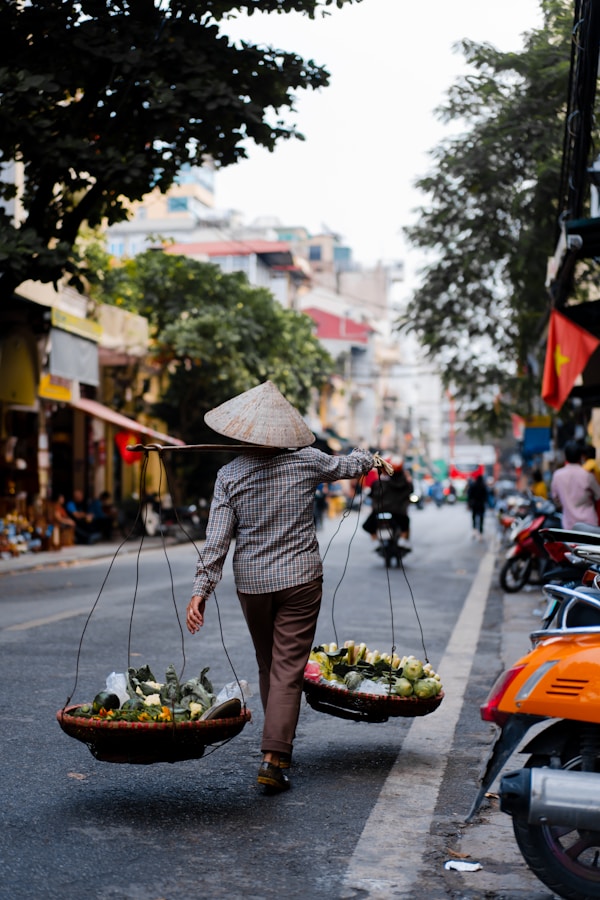
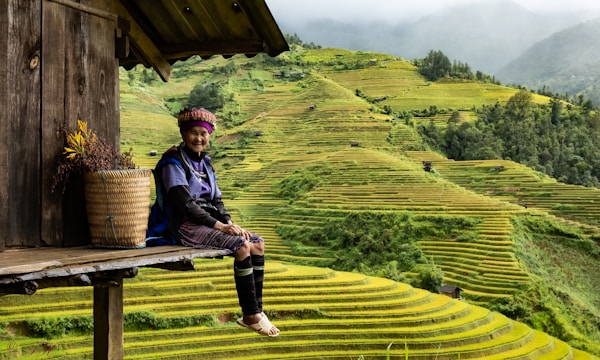
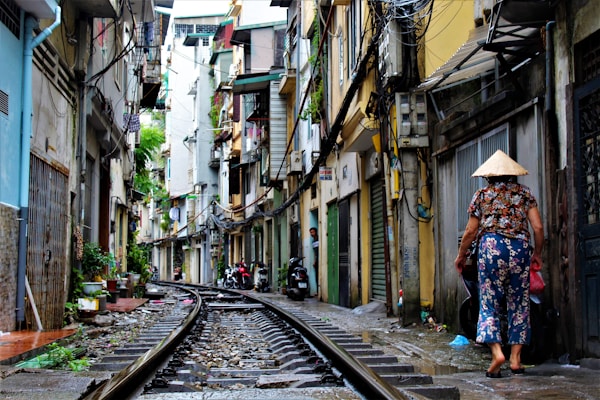
What makes Vietnam irresistible isn't just landscapes worthy of watercolor paintings or a cuisine that ranks among the world's finest. It's the Vietnamese themselves; resilient, industrious, welcoming, with an infectious optimism that belies their turbulent history.
War shaped Vietnam profoundly, but visitors expecting a country defined by conflict discover instead a nation racing toward the future while honouring its past.
The contrasts astonish at every turn. Ancient pagodas stand beside gleaming skyscrapers. Water buffalo plow rice paddies while motorbikes swarm city streets in organised chaos. Street food vendors create magical dishes from makeshift kitchens while five-star restaurants reinterpret traditional flavours.
French colonial architecture, Chinese temples, American War remnants, and indigenous traditions weave together into something distinctly Vietnamese. The country remains remarkably affordable, making extended exploration accessible. And everywhere, that legendary Vietnamese warmth transforms strangers into friends over steaming bowls of pho.
Getting There
By Air
Tan Son Nhat Airport (SGN) in Ho Chi Minh City and Noi Bai Airport (HAN) in Hanoi serve as main international gateways. Danang (DAD) handles growing international traffic. Direct flights connect Vietnam to Asia, Middle East, Europe, and increasingly North America. Budget carriers within Asia offer affordable connections.
By Land
Buses operate between major cities in neigbouring countries. Cross borders from Cambodia (Moc Bai, Xa Mat), Laos (multiple crossings), and China (several northern crossings). Visa requirements vary by nationality and crossing point.
Visa Requirements
Vietnam has simplified visa policies recently. Many nationalities can apply for e-visa online (valid 90 days, single/multiple entry). Visa on arrival available at airports for some nationalities. Check current requirements as policies change frequently. Visa exemptions exist for certain ASEAN countries and short stays from select nations.
Best Time to Visit Vietnam
Vietnam's length creates distinct climate zones requiring careful timing.
- Northern Vietnam (Hanoi, Ha Long Bay, Sapa):
- Best: March-May and September-November (mild, dry).
- Summer (June-August): Hot, humid, occasional typhoons.
- Winter (December-February): Cool, misty, occasional cold snaps. - Central Vietnam (Hue, Hoi An, Danang):
- Best: February-May (dry, pleasant temperatures).
- Avoid: September-January (rainy season, flooding possible). - Southern Vietnam (Ho Chi Minh City, Mekong Delta):
- Best: December-April (dry season, warm but not oppressive).
- Rainy Season: May-November (afternoon downpours, but manageable). - Nationwide Considerations: Tet (Lunar New Year, late January-February) sees mass domestic travel, business closures, and premium prices. The week before and after Tet can complicate travel. However, celebrations are spectacular if you're prepared.
Top Attractions by Region
Central Vietnam
- Danang: Modern city between Hue and Hoi An features spectacular Marble Mountains, Dragon Bridge (breathes fire weekends), My Khe Beach's long sand, and excellent museums including Cham Museum.
- Hue: Imperial capital (1802-1945) straddles Perfume River. Citadel and Forbidden Purple City (damaged in war but partially restored), royal tombs scattered along river, and imperial cuisine. Dong Ba Market offers authentic local life.
- Hoi An: Vietnam's most atmospheric town preserves 15th-19th century architecture. Japanese Covered Bridge, ancient merchant houses, and lantern-lit streets create magical evenings. Custom tailoring obsesses visitors. My Son ruins nearby showcase Champa civilisation. An Bang Beach offers sand and surf.
- Phong Nha-Ke Bang National Park: Karst mountains hide world's largest caves. Son Doong Cave, large enough for a 40-story building, requires expensive expedition. Hang En, Paradise Cave, and Phong Nha Cave offer accessible alternatives ranging from easy tours to multi-day adventures.
Hanoi & North
- Ha Long Bay: 1,600 limestone karsts rising from emerald waters create otherworldly seascape. Overnight cruises range from budget to luxury. Rock climbing, kayaking to hidden lagoons, and Sung Sot Cave's cathedral-like chambers. UNESCO-protected. Consider less-crowded Lan Ha or Bai Tu Long Bays.
- Hanoi Old Quarter: Labyrinthine streets each historically dedicated to specific trades. Motorbikes weave through pedestrians, street food vendors create magic on tiny stools, and French colonial buildings decay gracefully. Hoan Kiem Lake provides peaceful centre where locals practice tai chi at dawn.
- Ninh Binh: 'Ha Long Bay on land' features karst formations rising from rice paddies. Boat through Tam Coc's river caves, visit ancient Hoa Lu capital, climb to Hang Mua viewpoint for sunset over this sublime landscape.
- Sapa: Terraced rice paddies cascade down mountains surrounding this former French hill station. Hmong, Dao, and other ethnic minorities maintain traditional lifestyles. Trek between villages, stay in homestays, witness market days. Best March-May and September-November.
- Temple of Literature: Vietnam's first university (1070) honors Confucian traditions. Beautiful courtyards, ancient trees, and doctoral stelae mounted on stone turtles.
- Water Puppet Theatre (Thang Long ): Uniquely Vietnamese art form where puppets perform on water accompanied by traditional music. Can be a little touristy but genuinely entertaining.
Ho Chi Minh City & South
- Con Dao Islands: Remote archipelago once housed brutal prison. Now quiet paradise with excellent diving, sea turtle nesting, hiking, and Con Son Town's sleepy charm. More exclusive than Phu Quoc.
- Cu Chi Tunnels: Vast underground network used by Viet Cong. Crawl through claustrophobic passages (widened for tourists), see booby traps, and understand guerrilla warfare tactics. Half-day trip from Saigon.
- Ho Chi Minh City (Saigon): Frenetic metropolis pulses with entrepreneurial energy. Notre Dame Cathedral and Central Post Office showcase French architecture. Ben Thanh Market's chaos, District 1's colonial core, and Bitexco Tower's views orient visitors. War Remnants Museum provides essential if sobering context.
- Mekong Delta: Network of rivers, channels, and islands creates unique water-based culture. Floating markets (Can Tho's Cai Rang is largest), fruit orchards, rice paddies, and villages accessible only by boat. Homestays provide authentic experiences. Ben Tre and Can Tho make good bases.
- Mui Ne: Beach town with year-round wind attracts kitesurfers. Red and white sand dunes, Fairy Stream, and fishing village offer diversions. Less charming than other beaches but convenient from Saigon.
- Phu Quoc Island: Vietnam's largest island develops rapidly but maintains beautiful beaches, coral reefs, and seafood. Diving, snorkelling, beach relaxation, and sunset cocktails. Increasingly upscale resorts.
Vietnamese Cuisine
Vietnamese cuisine ranks among the world's best; fresh, balanced, complex, healthy, and remarkably affordable.
- Banh Mi: French baguette filled with pate, meats, pickled vegetables, cilantro, chili. Perfect street food fusion. Banh Mi Phuong in Hoi An achieved legendary status.
- Bun Cha: Hanoi specialty; grilled pork patties and slices with rice noodles, herbs, and fish sauce dipping sauce. In 2016, former U.S. President Barack Obama and celebrity chef Anthony Bourdain shared a memorable meal at Bún chả Hương Liên.
- Banh Xeo: Sizzling crepe filled with shrimp, pork, and bean sprouts. Wrap in lettuce with herbs and dip.
- Cao Lau: Hoi An's signature thick noodles with pork, greens, and crispy won ton. Water from specific local well supposedly essential.
- Coffee: Vietnamese coffee culture is serious business. Thick, strong coffee dripped through metal filter, served over condensed milk with ice (ca phe sua da). Egg coffee (ca phe trung) in Hanoi adds whipped egg yolk.
- Fresh Fruit: Mangosteen, dragon fruit, rambutan, longans, pomelo, and dozens more available at markets and juice stalls.
- Fresh Spring Rolls: Rice paper wrapped around shrimp, pork, rice vermicelli, and fresh herbs with peanut dipping sauce. Lighter than fried versions.
- Pho: Rice noodle soup with beef (bo) or chicken (ga). Breakfast staple but eaten anytime. Each region claims superiority. Add fresh herbs, lime, chili to customise.
- Regional Specialties: Imperial cuisine in Hue, central Vietnamese dishes more complex than north/south, southern cooking sweeter. Cao lau in Hoi An, bun bo Hue (spicy beef noodle soup), com tam (broken rice), and countless regional variations.
- Street Food: Where magic happens. Tiny plastic stools, steaming pots, and extraordinary food at laughable prices. Follow crowds. Don't fear street food; it's often safer and better than eating in restaurants.
Getting Around Vietnam
Vietnam offers a variety of transportation methods for travellers, each suited to different preferences, budgets, and routes.
- Boats: Essential in Ha Long Bay, Mekong Delta, and some destinations. From basic sampans to luxury cruise ships.
- Buses: Extensive network of buses, from local to luxury sleepers. Open-tour buses popular with travellers, allowing flexible stops along common routes (Hanoi to Ho Chi Minh City). Sleeper buses have beds but can feel cramped. Book through hotels or reputable operators.
- Cyclo (Pedicab): Touristy but fun for short trips in old quarters. Always negotiate price clearly beforehand.
- Domestic Flights: Vietnam Airlines, Vietjet, and Bamboo Airways connect major cities affordably. Booking ahead essential during holidays. Useful for covering long distances quickly.
- Grab: South-east Asia's answer to Uber offers fixed prices via app for bikes and cars.
- Motorbike: Available to rent in most tourist areas. Freedom to explore but traffic is aggressive. International driving permit technically required. Wear helmet. Not recommended for beginners in cities.
- Trains: North-South railway (Reunification Express) covers 1,726km Hanoi to Ho Chi Minh City in a little over thirty hours, but much better to break up the journey. Sleeper trains available, book soft sleeper for comfort. Trains are slower than buses, but more scenic and spacious; and you can stretch your legs.
- Xe Om (Motorbike Taxi): Quick way to get around cities. Negotiate price before departing.
Practical Tips
- Bargaining: Expected at markets and with street vendors. Good-natured negotiation is part of the experience. Know approximate prices. Walking away if price is unreasonable often brings agreement.
- Cash vs. Card: Cash dominates, especially outside cities and for street food. ATMs widely available. Notify your bank. Small bills useful as vendors often lack change. Credit cards accepted at hotels and upscale restaurants.
- Crossing Streets: Motorbikes swarm constantly. Cross the road slowly and steadily; riders will flow seamlessly around you. Hesitation causes confusion. Don't run. Hold up your hand for visibility, if needed.
- Dress Modestly: Especially at temples and in the countryside. Cover shoulders and knees. Remove shoes before entering homes and religious sites.
- Food Safety: Street food is generally safe if freshly cooked. Avoid raw vegetables unless eating in upscale restaurants. Peel fruit. Drink bottled water. Don't let concerns stop you from experiencing street food.
- Haggling Tours: Tour operators tout for business everywhere. Shop around, read reviews, and compare prices. Booking through hotels often inflates costs.
- Internet: WiFi ubiquitous in hotels and cafés. SIM cards dirt cheap with generous data. Useful for Grab app, maps, and translations.
- Language: English increasingly common in tourist areas. Download Google Translate offline. Learn basic phrases; making an effort is appreciated. It also brings a few giggles.
- Scams: Generally petty. Taxi meters 'broken', tours not as described, inflated prices for foreigners. Stay alert but don't be paranoid. Grab app eliminates taxi concerns.
- Tipping: Not expected traditionally but increasingly common in tourist areas. Round up at casual places. 5-10% appreciated at nicer restaurants. Tip tour guides and drivers if service was good.
- Traffic: Chaotic by Western standards but has its own logic. Horns are communication, not aggression. Stay alert crossing streets. Grab app is generally safer than using random taxis.
- Visa Extensions: Can be arranged through agencies in major cities if you want to stay longer.
- Water: Drink bottled water. Brushing teeth with tap water is generally fine in cities.
Regional Travel Guides
Vietnam travel guides written by people in the know - a community of expats, Vietnamese locals and regular visitors to Vietnam.


Travel writers and photographers are invited to join our team of travel content creators.