Overview
Spain captivates visitors with an intoxicating blend of passionate culture, world-class art, and sun-drenched landscapes. From the architectural fantasies of Gaudí in Barcelona to the Moorish palaces of Andalusia, and the vibrant nightlife of Madrid to the pristine beaches of the Costa Brava, Spain offers an extraordinary diversity of experiences within a single country.
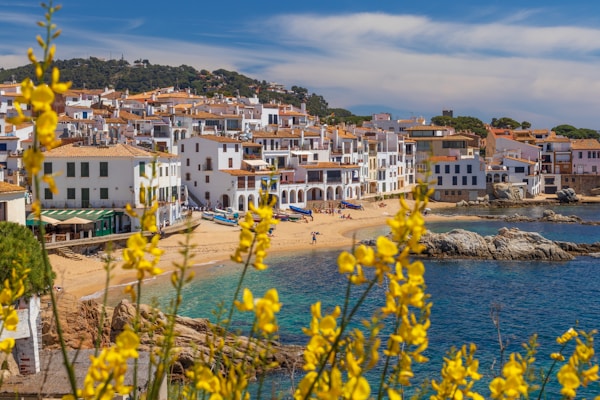
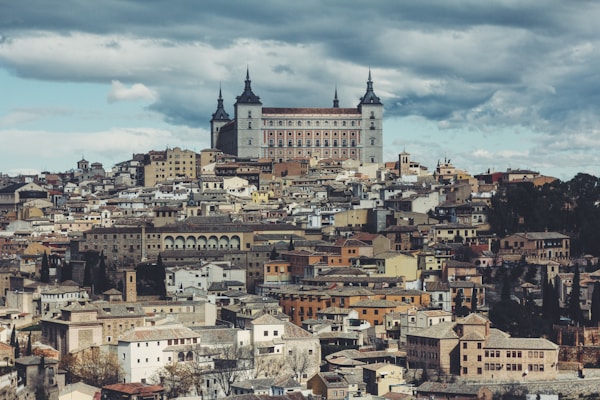
The Spanish lifestyle revolves around enjoying life's pleasures: lingering over tapas, celebrating with exuberant festivals, and embracing the art of the siesta. With 49 UNESCO World Heritage Sites, Spain boasts more cultural treasures than almost any other nation, while its culinary scene has evolved into one of the world's most innovative and celebrated.
Regional diversity defines the Spanish experience. Each autonomous community maintains its own traditions, cuisine, and sometimes language, creating a tapestry of cultures that makes every region feel like a distinct destination.
Getting There
By Air
Spain's major international airports include Madrid-Barajas Adolfo Suárez (MAD), Barcelona-El Prat (BCN), Málaga-Costa del Sol (AGP), and Palma de Mallorca (PMI). These hubs connect to virtually every major city worldwide, with frequent flights from European capitals taking two to three hours. Budget airlines offer excellent connectivity between Spanish cities and throughout Europe.
By Rail
High-speed rail connections link Spain with France through the Pyrenees. The Barcelona-Paris route takes about 6.5 hours, while Madrid connects to Marseille and beyond.
By Sea
Ferry services operate between Spain and Morocco, the Balearic Islands, Italy, and the UK, offering scenic alternatives for travellers with more time.
Visa Requirements
Spain is part of the Schengen Area. Citizens of the US, Canada, UK, Australia, New Zealand, and many other countries can visit for up to 90 days within a 180-day period for tourism purposes. EU/EEA citizens can stay indefinitely. Always verify current requirements based on your nationality before travelling to Spain.
Best Time to Visit Spain
Spring and Autumn are widely considered the best times to visit Spain. During these shoulder seasons, you can enjoy pleasant weather, mild temperatures, fewer crowds, and longer daylight hours.
- Spring (March-May): Ideal weather across most of Spain, with temperatures ranging from 15-25°C. This is perfect for city exploration and cultural tourism. Seville's Feria de Abril and the passionate Semana Santa (Holy Week) processions create unforgettable experiences. Wildflowers bloom across the countryside, and tourist crowds remain manageable.
- Summer (June-August): Peak season brings hot temperatures, especially inland where Madrid and Seville can exceed 40°C; although coastal areas remain comfortable, with sea breezes. This is festival season, including San Fermín (Running of the Bulls) in Pamplona and La Tomatina. Beach destinations fill with northern Europeans on a sun and sea vacation, so book accommodation well in advance.
- Autumn (September-November): Excellent weather continues through October, with fewer crowds and lower prices. Harvest season brings wine festivals across La Rioja and other regions. The grape crush in the vineyards and colourful foliage in northern Spain create beautiful backdrops for travel.
- Winter (December-February): Mild temperatures in southern Spain and the Canary Islands make winter escapes appealing. Ski season opens in the Sierra Nevada and Pyrenees. Christmas markets and Three Kings celebrations showcase Spanish holiday traditions. This is low season for most destinations, offering significant savings.
Top Attractions by Region
Andalusia
- Córdoba's Mezquita showcases the unique blend of mosque and cathedral architecture.
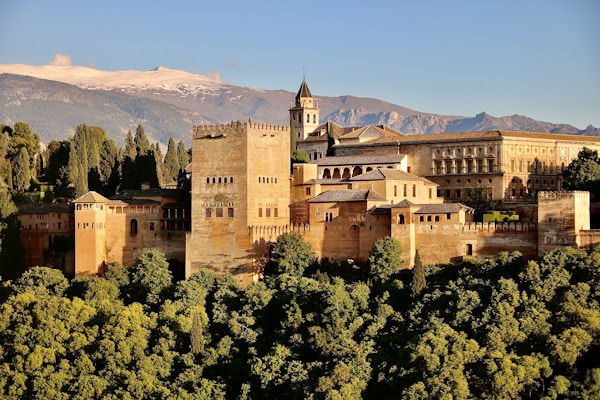
- Granada's Alhambra palace complex mesmerises with intricate Islamic architecture and gardens.
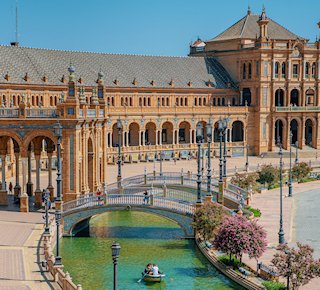
- Seville's massive Gothic cathedral, Alcázar palace, and flamenco-filled Triana district embody Andalusian soul.
- Southern Spain's Moorish heritage shines in Andalusia.
- White villages (pueblos blancos) dot hilltops throughout the region.
Balearic Islands
- Ibiza offers legendary nightlife alongside quiet coves and hippie markets.
- Mallorca balances beach resorts with mountain villages and Palma's Gothic cathedral.
- Menorca's unspoiled beaches and Bronze Age sites attract nature lovers.
Barcelona
- Gaudí's architectural masterpieces define Barcelona's skyline, from the still-unfinished Sagrada Família to the whimsical Park Güell and undulating Casa Batlló.
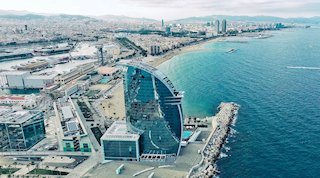
- The beachfront and Olympic Port offer Mediterranean relaxation just minutes from urban excitement.
- Wander Las Ramblas, explore the Gothic Quarter's medieval streets, and savour fresh seafood at La Boqueria market.
Basque Country
- Bilbao's Guggenheim Museum revolutionised the city, while the old quarter maintains traditional charm.
- San Sebastián's Belle Époque elegance, world-renowned pintxos (Basque tapas) culture, and beautiful La Concha beach make it a culinary and aesthetic paradise.
- The dramatic coastline and green mountains create stunning scenery.
Galicia & Northern Spain
- Galicia's rugged Atlantic coastline, Celtic heritage, and exceptional seafood offer a different face of Spain.
- Santiago de Compostela culminates the famous Camino pilgrimage route with its magnificent cathedral.
- The Picos de Europa mountains provide dramatic hiking and rural escapes.
Madrid
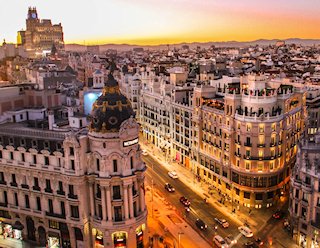
- Spain's elegant capital pulses with energy day and night.
- Stroll through Retiro Park, explore the grand Plaza Mayor, and experience the vibrant nightlife of Malasaña and Chueca neighbourhoods.
- The Golden Triangle of Art, Prado Museum, Reina Sofía, and Thyssen-Bornemisza, houses masterpieces by Velázquez, Goya, Picasso, and Dalí.
- The Royal Palace dazzles with its opulent rooms and manicured gardens.
Valencia & Eastern Coast
- Spain's third-largest city combines futuristic architecture at the City of Arts and Sciences with a charming old quarter and the birthplace of paella.
- The Costa Blanca offers stunning beaches, while inland, medieval towns like Cuenca cling dramatically to cliffsides.
Spanish Cuisine
Spanish cuisine celebrates regional ingredients, social dining, and bold flavours. The culinary revolution led by chefs like Ferran Adrià has elevated traditional dishes to new heights while maintaining deep roots in local food culture. Must-try dishes include:
- Churros con Chocolate: The beloved breakfast or late-night snack of fried dough strips dipped in thick hot chocolate can be found at chocolaterías throughout Spain; with San Ginés, in Madrid, being legendary.
- Gazpacho & Salmorejo: Andalusia's cold tomato soups refresh during hot summers. Gazpacho is lighter and more liquid, while salmorejo is thicker and often topped with chopped egg and ham.
- Jamón Ibérico: Spain's prized cured ham comes from black Iberian pigs, often fed on acorns. The best grades, jamón ibérico de bellota, melt on the tongue with nutty, complex flavours. Visit a jamónería to appreciate the craft of hand-slicing.
- Paella: Valencia's iconic rice dish traditionally combines rabbit, chicken, and beans, though seafood paella has become equally famous. Always cooked in a wide, shallow pan and best enjoyed in its birthplace region.
- Regional Specialties: Each region proudly maintains unique dishes: Basque txangurro (spider crab), Asturian fabada (bean stew), Catalan escalivada (roasted vegetables), and Madrid's cocido madrileño (chickpea stew).
- Seafood: Coastal regions excel in fresh fish and shellfish. Galicia's pulpo a la gallega (octopus with paprika), Catalonia's suquet de peix (fish stew), and countless grilled fish preparations showcase Spain's maritime bounty.
- Tapas & Pintxos: Small plates designed for sharing define Spanish dining culture. From patatas bravas (spicy potatoes) to jamón ibérico (acorn-fed ham) to gambas al ajillo (garlic shrimp), tapas encourage lingering over multiple courses with wine or beer. In Basque Country, pintxos are elaborate small bites often skewered with toothpicks.
Getting Around Spain
Spain's excellent transportation infrastructure makes travel between cities and regions straightforward and efficient.
- Buses: Companies like ALSA operate comfortable long-distance buses reaching destinations not served by rail. Buses are economical and reliable, if slower than trains. Urban bus networks complement metro systems in cities.
- Car Rental: Renting a car opens up rural Spain, white villages, and coastal routes. Roads are generally excellent, though city driving can be challenging. International driving permits are recommended. Parking in historic centres is often restricted.
- Domestic Flights: Budget airlines like Vueling, Iberia Express, and Ryanair connect Spanish cities affordably. Particularly useful for reaching the islands or covering long distances like Madrid to Málaga or Barcelona to Santiago.
- High-Speed Rail (AVE): Spain's extensive high-speed rail network connects major cities at speeds of up to 310km an hour. Madrid to Barcelona takes 2.5 hours, and Madrid to Seville just 2.5 hours. Book tickets in advance through Renfe for significant discounts. The trains are comfortable, punctual, and often faster than flying when accounting for airport time.
- Metro Systems: Madrid, Barcelona, Valencia, Seville, and Bilbao all have efficient metro systems. Purchase multi-day tourist passes for unlimited travel. Systems are modern, safe, and well-signed in multiple languages.
- Regional Trains (Renfe): Local and regional trains serve smaller cities and towns. The network is comprehensive, though slower than AVE services. Cercanías commuter trains operate around major cities.
- Taxis & Ride-Sharing: Taxis are metered and reliable in cities. Uber and Cabify operate in major urban areas. Always ensure taxis use the meter or agree on fares beforehand for longer trips.
Practical Tips
- Book Popular Attractions: The Alhambra, Sagrada Família, and other major sites sell out weeks in advance during high season. Book tickets online early to avoid disappointment.
- Cash vs. Cards: Cards are widely accepted, but carry some cash for small purchases, markets, and rural areas. ATMs are abundant in cities.
- Dress Codes: Casual dress is fine in most places, but Spaniards tend to dress stylishly. Some churches require covered shoulders and knees. Beachwear belongs at the beach, not in cities.
- Embrace the Schedule: Lunch runs from 2-4pm, dinner from 9-11pm. Restaurants aren't even open for dinner before 8pm. Shops close during siesta (roughly 2-5pm) in smaller towns.
- Free Museum Days: Many museums offer free entry on specific days or times, usually Sunday afternoons or specific weekdays. Check individual museum websites.
- Learn Basic Spanish: While tourist areas have English speakers, learning basic phrases like 'por favor' (please), 'gracias' (thank you), and 'la cuenta' (the bill) goes far. Regional languages are respected in Basque Country, Catalonia, and Galicia.
- Pharmacy Expertise: Spanish pharmacies (farmacias, marked with green crosses) can help with minor ailments and many medications available over-the-counter that would require prescriptions elsewhere.
- Safety Awareness: Spain is generally very safe, but pickpocketing occurs in tourist areas of Barcelona, Madrid, and other major cities. Keep valuables secure and be aware of your surroundings in crowded places.
- Tipping Customs: Tipping is not obligatory in Spain. Leaving small change or rounding up is appreciated for good service. In upscale restaurants, 5-10% is generous.
- Water Safety: Tap water is safe to drink throughout Spain, though locals often prefer bottled water for taste.
Regional Travel Guides
Spain travel guides written by people in the know - a community of expats, Spanish locals and regular visitors to Spain.

Travel writers and photographers are invited to join our team of travel content creators.