Overview
South Korea fascinates visitors with its extraordinary transformation from war-torn nation to global cultural powerhouse. This dynamic country seamlessly weaves 5,000 years of history with cutting-edge technology, serene Buddhist temples, neon-lit entertainment districts, and time-honoured traditions with contemporary innovation.
From the bustling streets of Seoul to the volcanic landscapes of Jeju Island, South Korea offers profound cultural experiences alongside world-class urban adventures.
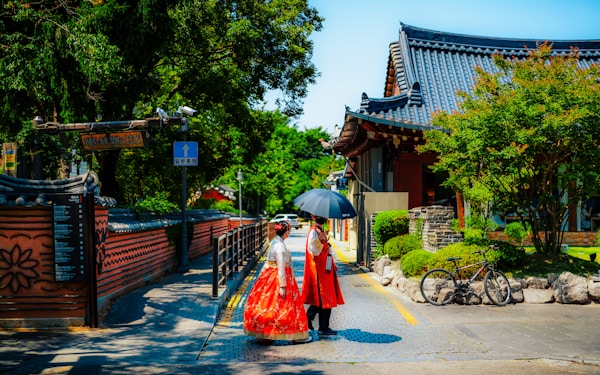
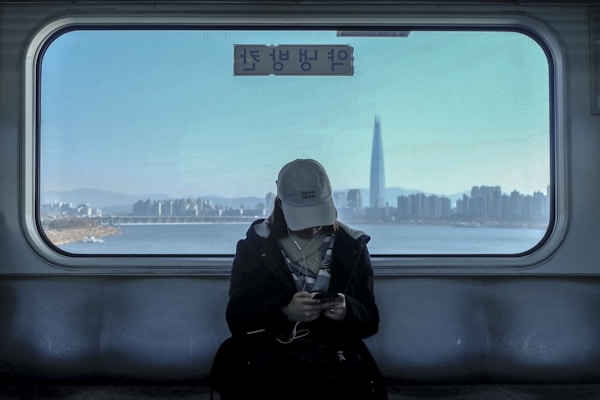
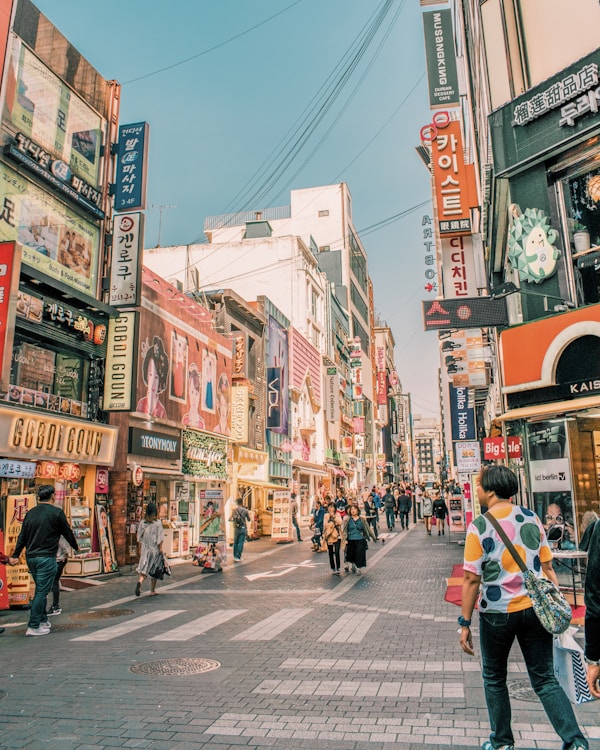
The Korean Wave (Hallyu) has swept the globe, making South Korea one of the most sought-after destinations in Asia.
K-pop, Korean dramas, cinema, and cuisine have created international fascination, while visitors discover the authentic culture runs far deeper. Ancient palaces stand amid gleaming skyscrapers, traditional tea ceremonies are performed in modern cafes, and centuries-old markets thrive alongside luxury shopping districts.
Beyond Seoul's urban intensity, South Korea surprises with natural beauty.
Mountains dominate 70% of the landscape, offering excellent hiking along trails connecting Buddhist temples. The east coast features pristine beaches, while the west coast's tidal flats create unique ecosystems.
UNESCO World Heritage Sites, cutting-edge technology, exceptional cuisine, and renowned hospitality combine to create an unforgettable destination where respect for tradition enhances rather than limits innovation.
Getting There
By Air
Incheon International Airport (ICN), consistently ranked among the world's best airports, serves as South Korea's primary gateway, located 48 kilometres west of Seoul. The airport connects to over 250 cities worldwide, with direct flights from major North American, European, and Asian cities.
Gimpo Airport (GMP) handles domestic flights and some international routes to nearby countries. Busan's Gimhae International Airport (PUS) serves southern South Korea. Korean Air and Asiana Airlines are the national carriers, while budget airlines like Jeju Air, Jin Air, and T'way offer economical regional connections.
By Land
Due to the ongoing division of the Korean Peninsula, overland entry from North Korea is not possible for tourists. The heavily fortified Demilitarized Zone (DMZ) separates the two nations. Visitors must arrive by air or sea.
By Sea
Ferry services connect South Korea to China and Japan. Routes operate between Incheon and Chinese ports (Qingdao, Tianjin, Dalian), and between Busan and Japanese cities (Fukuoka, Osaka, and Shimonoseki). These overnight ferries provide scenic alternatives to flying, though journeys are significantly longer.
Visa Requirements
Citizens of the US, Canada, UK, Australia, New Zealand, and most European countries can enter South Korea visa-free for stays of 30 to 90 days, depending on nationality, for tourism purposes. The K-ETA (Korea Electronic Travel Authorisation) system requires advance online registration for eligible countries. Passports must be valid for at least six months beyond the intended stay. Always verify current requirements based on your nationality before travelling to South Korea.
Best Time to Visit South Korea
South Korea experiences four distinct seasons, each offering unique attractions and considerations for travellers. Major holidays like Lunar New Year and Chuseok (Korean Thanksgiving) see mass domestic travel, with many businesses closing and transportation heavily booked. Avoid these periods unless you want to experience traditional celebrations first-hand.
- Spring (April-May): Widely considered the best time to visit South Korea, spring brings mild temperatures (10-20°C) and spectacular cherry blossoms. The cherry blossom season (late March to early April) transforms parks, palace grounds, and streets into pink wonderlands. Jinhae Cherry Blossom Festival attracts massive crowds. Spring weather is pleasant for sightseeing, hiking, and outdoor activities. Book accommodations early as this is peak season.
- Summer (June-August): Hot, humid weather with temperatures reaching 30-35°C dominates summer. The monsoon season (late June to July) brings heavy rainfall and occasional typhoons. Despite the heat, summer offers vibrant festivals, beach activities on the east and south coasts, and the chance to escape to mountain temples. Air conditioning is ubiquitous. Late July through August is vacation season for locals, creating crowds at popular destinations.
- Autumn (September-November): Rivaling spring as the ideal visiting time, autumn delivers comfortable temperatures (10-20°C) and stunning fall foliage. Mountains ablaze with autumn colours create breathtaking landscapes from late October through November. Seoraksan National Park and Naejangsan National Park showcase the most spectacular displays. Clear skies, low humidity, and numerous harvest festivals make autumn ideal for exploration. This is another peak season requiring advance bookings.
- Winter (December-February): Cold, dry weather brings temperatures often below freezing, particularly in Seoul and northern regions. However, winter offers unique experiences: world-class skiing at resorts like Pyeongchang (2018 Winter Olympics site), stunning ice festivals, and fewer crowds at major attractions. Southern Jeju Island remains relatively mild. Winter hotel rates are lowest except during Lunar New Year celebrations. Korean winter foods and hot spring visits provide warming cultural experiences.
Top Attractions in South Korea
Busan
- Buddhist temples like Beomeosa provide mountain retreats within city limits.
- Gamcheon Culture Village's colourful hillside houses create an artistic labyrinth.
- Haeundae Beach attracts summer crowds, while the more peaceful Gwangalli Beach offers views of the illuminated Gwangan Bridge.
- Jagalchi Fish Market, Korea's largest seafood market, offers incredible fresh catches.
- South Korea's second-largest city and premier beach destination combines coastal beauty with urban sophistication.
- The futuristic Busan Cinema Centre hosts Asia's most prestigious film festival.
Demilitarised Zone (DMZ)
- The 250-kilometer-long border between North and South Korea offers surreal Cold War experiences.
- Half-day tours from Seoul visit observation posts overlooking North Korea, infiltration tunnels dug under the border, and Panmunjom (Joint Security Area) where tense face-offs between soldiers occur daily.
- The unintended consequence of military tension has been the preservation of pristine ecosystems in this untouched buffer zone.
Gyeongju
- The ancient capital of the Silla Kingdom (57 BCE - 935 CE) is often called 'the museum without walls'.
- Bulguksa Temple and Seokguram Grotto represent the pinnacle of Korean Buddhist art, both UNESCO sites.
- Cheomseongdae, Asia's oldest existing astronomical observatory, dates to the 7th century.
- Royal tombs dot the city, creating otherworldly landscapes of grass-covered burial mounds.
- Traditional architecture, archaeological treasures, and historical ambiance make Gyeongju essential for culture enthusiasts.
Jeju Island
- This volcanic island, South Korea's premier honeymoon destination, boasts UNESCO World Heritage status for its natural wonders.
- Hallasan, South Korea's highest mountain, dominates the island centre.
- Mild winters make Jeju a year-round destination.
- Stunning waterfalls, black sand beaches, and dramatic coastal cliffs provide endless scenic beauty.
- The island's unique culture, including the famous female divers (haenyeo), differs from mainland traditions.
- Volcanic lava tubes like Manjanggul Cave showcase geological marvels.
Jeonju
- The birthplace of bibimbap and home to Korea's largest and best-preserved hanok village, Jeonju embodies Korean tradition.
- Over 800 traditional houses create an atmospheric neighbourhood perfect for wandering.
- The city's food scene is legendary, attracting culinary pilgrims from across Korea.
- Traditional paper-making, Korean alcohol brewing, and historical museums provide cultural depth.
Seoraksan National Park
- Cable cars provide accessible mountain views, while more challenging trails lead to stunning vistas.
- Korea's most celebrated national park features dramatic granite peaks, ancient temples, and pristine forests.
- Sinheungsa Temple and the towering bronze Buddha statue welcome visitors at the entrance.
- The park attracts hikers year-round, with autumn foliage drawing massive crowds.
Seoul
- South Korea's dynamic capital seamlessly blends historical treasures with ultra-modern innovation.
- Five grand palaces from the Joseon Dynasty grace the city, with Gyeongbokgung being the largest and most iconic.
- N Seoul Tower provides panoramic city views from Namsan Mountain.
- The cutting-edge Dongdaemun Design Plaza showcases futuristic architecture.
- The Han River offers parks, cycling paths, and evening cruises.
- The traditional hanok villages of Bukchon and Ikseon-dong preserve architectural heritage amid modernity.
- Vibrant districts cater to every interest: Myeongdong for shopping, Hongdae for youth culture and nightlife, Gangnam for upscale experiences, and Insadong for traditional arts and crafts.
Korean Cuisine
Korean cuisine, one of the world's most exciting culinary traditions, balances complex flavours through fermentation, grilling, and generous use of garlic, ginger, and gochugaru (red pepper flakes). Communal dining and abundant banchan (side dishes) define the Korean eating experience.
- Banchan: Small side dishes automatically accompany every meal, from simple kimchi to seasoned vegetables, fish, and savoury pancakes. Refills are free, and the variety showcases Korean generosity and culinary diversity.
- Bibimbap: A bowl of rice topped with seasoned vegetables, meat, a fried egg, and gochujang (red pepper paste), mixed together before eating. Jeonju's version, served in hot stone bowls that crisp the rice, is considered the best. Each ingredient is carefully prepared, creating harmony through diversity.
- Jjigae (Stews): Hearty, bubbling stews are Korean soul food. Kimchi jjigae (kimchi stew with pork or tuna), sundubu jjigae (soft tofu stew), and doenjang jjigae (fermented soybean paste stew) warm and satisfy. Served in individual stone pots, these communal dishes are shared with rice.
- Kimchi: Fermented vegetables, usually napa cabbage or radish, seasoned with chili pepper, garlic, ginger, and jeotgal (salted seafood). This national dish appears at virtually every meal, with hundreds of regional variations. The pungent, spicy, tangy flavours grow addictive. UNESCO recognised kimjang (kimchi-making) as an Intangible Cultural Heritage.
- Korean BBQ (Gogigui): Grilling marinated meats at your table defines a quintessential Korean dining experience. Bulgogi (marinated beef), galbi (short ribs), and samgyeopsal (pork belly) are wrapped in lettuce leaves with ssamjang (spicy paste), garlic, and kimchi. The social aspect and hands-on cooking make this a must-do activity.
- Korean Fried Chicken: Double-fried chicken achieves incredible crispiness while staying juicy inside. Served in various flavours from original to soy garlic to extremely spicy, it's best enjoyed with beer (chimaek = chicken + maekju). This modern Korean obsession pairs perfectly with Korea's vibrant drinking culture.
- Naengmyeon: Cold buckwheat noodles in tangy broth (mul-naengmyeon) or with spicy sauce (bibim-naengmyeon) provide refreshing summer relief. The chewy noodles require scissors to cut. Originally from North Korea, this dish symbolises division and shared heritage.
- Tteokbokki: Chewy rice cakes simmered in sweet and spicy gochujang sauce, often with fish cakes and boiled eggs. This beloved street food appears at pojangmacha (street food tents) nationwide. The addictively spicy-sweet sauce and bouncy texture make it a Korean comfort food staple.
Getting Around South Korea
JSouth Korea's exceptional public transportation infrastructure makes travel efficient, affordable, and convenient throughout the country.
- Bicycles: Seoul and other cities offer public bike-sharing systems. Riverside bike paths along the Han River provide scenic urban cycling. Many cities have dedicated bike lanes.
- Car Rental: International driving permits allow car rental, though navigation can be challenging despite good roads. English GPS is available. Driving is practical for exploring rural areas, national parks, and the countryside, but unnecessary in cities with excellent public transport.
- City Buses: Extensive local bus networks serve all cities. Seoul's colour-coded system (blue for main routes, green for local, red for express) simplifies navigation. Google Maps provides accurate routing. Payment requires T-money cards or cash.
- Domestic Flights: Budget airlines connect Seoul to Jeju Island, Busan, and other cities. Jeju is the world's busiest air route, with flights departing every 15-20 minutes. Flying saves time on the longest routes, though trains are often more convenient for mainland destinations.
- Intercity Buses: Express and premium buses connect cities not served by trains, often travelling overnight. Comfortable seats, clean facilities, and affordable fares make buses excellent alternatives. Major terminals have English information, though online booking can be challenging without Korean language skills.
- KTX (Korea Train Express): High-speed trains connect major cities at speeds up to 305 km/h. Seoul to Busan takes just 2.5 hours, making day trips feasible. The network extends to Gyeongju, Daegu, Daejeon, Gwangju, and other cities. Book tickets in advance through Korail's website or app. The KR Pass offers unlimited travel for tourists over set periods.
- Seoul Metro: One of the world's best metro systems, featuring 23 lines covering virtually the entire metropolitan area. Stations have English signage, announcements, and staff assistance. T-money cards work on subways, buses, and taxis. Trains run from 5:30am to midnight with five-minute headways.
- Taxis: Abundant, safe, and reasonably priced taxis come in regular (silver) and deluxe (black) options. Language barriers can be challenging; have destinations written in Korean or use translation apps. Kakao Taxi app allows English-language ordering with transparent pricing.
Practical Tips
- Accommodation: Options range from budget guesthouses and jimjilbang (24-hour bathhouses offering sleeping areas) to luxury hotels and hanok stays. Temple stay programs offer authentic cultural immersion. Book ahead during cherry blossom season, autumn, and major holidays.
- Cultural Etiquette: Remove shoes when entering homes, temples, and some restaurants. Bow when greeting elders. Use two hands when giving or receiving items from elders or in business contexts. Avoid talking loudly on public transport. Don't write names in red ink (associated with death).
- Currency and Payments: The Korean Won (₩) is the currency. Credit cards are widely accepted in cities, though cash is preferred in markets and smaller establishments. ATMs are ubiquitous, but not all accept foreign cards; look for Global ATMs at convenience stores and banks.
- Drinking Culture: Korean drinking culture is integral to social life. Never pour your own drink; pour for others and let them reciprocate. Receive drinks with two hands from elders. Turning away slightly when drinking with elders shows respect.
- Internet and Connectivity: South Korea has the world's fastest internet speeds. Free WiFi is available throughout Seoul and major cities. Consider renting a pocket WiFi device or purchasing a local SIM card for constant connectivity. Prepaid tourist SIM cards are available at airports..
- Jimjilbang Experience: These 24-hour spa complexes offer saunas, hot tubs, sleeping areas, and entertainment. A quintessential Korean experience, they're gender-segregated in bathing areas. Bring no clothing to bathing areas; pyjamas are provided for common areas.
- Language: Korean (Hangul) is the official language. English proficiency varies; it's common in Seoul's tourist areas but limited elsewhere. Learning basic Korean phrases is appreciated. Translation apps are essential. Many signs have English transliterations.
- Safety: South Korea is extremely safe with very low crime rates. Women can walk alone at night in cities. Political tensions with North Korea are managed; follow local news but don't be overly concerned. Emergency number is 119 for fire/ambulance, 112 for police.
- Shopping: Duty-free shopping offers excellent value. Traditional markets are open for bargaining. Myeongdong, Dongdaemun, and Namdaemun markets in Seoul offer everything imaginable. Korean cosmetics, skincare, and fashion are popular purchases.
- Tipping: Tipping is not customary and can sometimes be refused or cause confusion. Service charges are included in bills. Exceptional service deserves thanks, not tips.
Regional Travel Guides
City travel guides written by people in the know - a community of expats, locals and regular visitors to the region.



Travel writers and photographers are invited to join our team of travel content creators.