Overview
Mexico captivates travellers with its intoxicating blend of ancient civilisations, Spanish colonial heritage, vibrant indigenous cultures, and natural beauty spanning tropical beaches, volcanic mountains, and arid deserts. This is where chocolate, vanilla, tomatoes, and chili peppers originated, where the Maya and Aztec built magnificent cities that still inspire wonder, and where Day of the Dead celebrations transform mourning into joyful artistic expression.

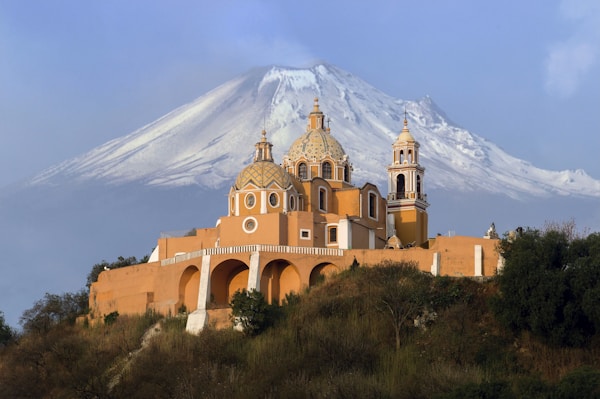
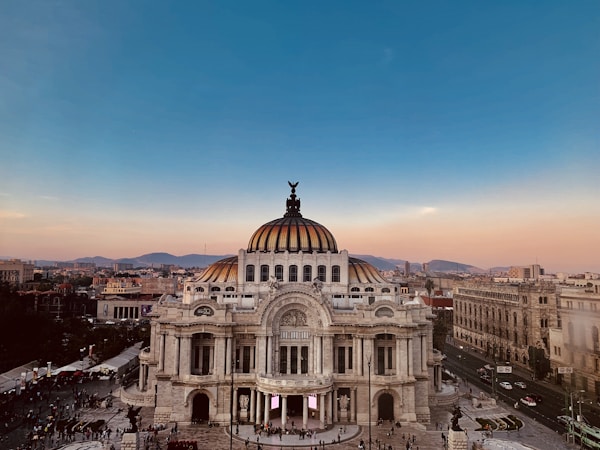
Beyond the resort beaches of Cancún and Cabo that many North Americans know, Mexico reveals extraordinary depth. Mexico City rivals any world capital for museums, architecture, and culinary innovation. Oaxaca's indigenous traditions maintain vitality through textiles, crafts, and cuisine. San Miguel de Allende and Guanajuato showcase colonial splendour. The Copper Canyon system dwarfs the Grand Canyon. Ancient ruins at Teotihuacán, Chichén Itzá, Palenque, and Monte Albán speak to sophisticated civilisations that flourished centuries before European contact.
Mexican culture celebrates life with remarkable passion; through music from mariachi to banda, through elaborate festivals seemingly every week, through family bonds that define social structure, and through food that UNESCO recognised as Intangible Cultural Heritage. The warmth and hospitality Mexicans show visitors reflects deeply held values of generosity and human connection. From metropolitan sophistication to rural traditions, from Pacific surf towns to Caribbean dive sites, Mexico's diversity means every traveller finds their perfect Mexico.
Getting There
By Air
Mexico has numerous international airports with excellent connections from North America, growing European service, and connections throughout Latin America. Major gateways include Mexico City (MEX), Cancún (CUN), Guadalajara (GDL), Monterrey (MTY), Los Cabos (SJD), and Puerto Vallarta (PVR). Direct flights from major US cities take 2-5 hours. European flights typically connect through Mexico City, though some direct services exist from Madrid, Paris, and London.
By Land
Multiple border crossings connect Mexico with the United States (Tijuana-San Diego, Ciudad Juárez-El Paso, Nuevo Laredo-Laredo, etc.) and Guatemala/Belize in the south. Many travellers drive their own vehicles into Mexico, requiring Mexican auto insurance (available at borders). Bus services connect border cities with destinations throughout Mexico.
By Sea
Cruise ships dock at Cozumel, Playa del Carmen, Ensenada, and other ports. Ferry services connect the Baja Peninsula with mainland Mexico.
Visa Requirements
Citizens of the US, Canada, UK, EU, Australia, New Zealand, and many other countries can visit Mexico as tourists for up to 180 days without a visa. You'll receive a Forma Migratoria Múltiple (tourist card) upon arrival. Keep it safe as you'll need to return it when departing. Always verify current requirements based on your nationality.
Best Time to Visit Mexico
The ideal time to visit Mexico generally falls within the dry season, from December to April, when rainfall is minimal and temperatures are pleasant. This period offers the best weather for most outdoor activities and sightseeing.
- Dry Season (November-April): Peak tourist season brings reliably sunny weather, making this ideal for beach destinations and exploring. Temperatures vary by region; coastal areas warm (25-30°C), highlands like Mexico City cooler (15-25°C). December through March sees highest prices and crowds, especially Christmas, New Year's, and Easter weeks when Mexican families vacation. Whale watching is excellent in Baja California (December-April).
- Shoulder Season (May & October-early November): Excellent value with fewer crowds. May brings increasing heat before summer rains begin. Late October and early November offer pleasant weather after rainy season ends. Day of the Dead (1st November) creates magical cultural experiences, especially in Oaxaca and Pátzcuaro.
- Rainy Season (June-September): Summer brings afternoon thunderstorms, especially in central and southern Mexico. Mornings often remain sunny, with rain typically falling in late afternoon or evening. Coastal regions face hurricane risk (June-November), with September-October peak. Despite rain, this is low season with significant savings. Temperatures rise, particularly before rains cool things down. Pacific coast gets heaviest rainfall.
- Cultural Calendar: Mexico's festival calendar influences timing. Easter week (Semana Santa) sees domestic travel surge. The Virgin of Guadalupe (December 12) draws pilgrims to Mexico City. Guelaguetza festival in Oaxaca (July) showcases indigenous culture. Carnaval (February/March) brings celebrations especially in Veracruz and Mazatlán.
Top Attractions by Region
Baja California
- The 1,200-km peninsula offers dramatic desert-meets-sea landscapes.
- Gray whales migrate to San Ignacio Lagoon (December-April), allowing close encounters.
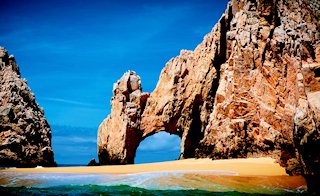
- Los Cabos (San José del Cabo and Cabo San Lucas) provides resort luxury, sport fishing, and the famous El Arco rock formation.
- La Paz offers more authentic experiences with sea lion encounters and whale shark swimming.
- The Valle de Guadalupe wine region produces exceptional wines.
- Todos Santos is an emerging artsy beach town.
Chiapas
- Mexico's southernmost state contains extraordinary cultural and natural diversity.
- Agua Azul cascades create turquoise pools.
- San Cristóbal de las Coloradas is a picturesque highland town with strong indigenous presence.
- Sumidero Canyon offers boat trips through dramatic cliffs.
- The Lagos de Montebello present a landscape of multicoloured lakes near the Guatemala border.
Copper Canyon (Barrancas del Cobre)
- Adventure tourism includes zip-lining, hiking, and mountain biking.
- Indigenous Rarámuri people maintain traditional lifestyles in remote canyon communities.
- This network of canyons in Chihuahua state is four times larger than the Grand Canyon.
- The Chihuahua-Pacífico Railway (El Chepe) provides a spectacular journey through the canyons, crossing bridges and tunnels with breathtaking views.
Guadalajara
- Mexico's second city is the birthplace of mariachi music, tequila, and charreadas (Mexican rodeos).
- The historic centre features colonial architecture around several plazas.
- Tlaquepaque and Tonalá specialise in crafts and pottery.
- Day trips reach the town of Tequila, where distillery tours and tastings celebrate Mexico's signature spirit.
Mexico City (CDMX)
- One of the world's great capitals deserves days of exploration.
- The Zócalo (main square) is surrounded by the Metropolitan Cathedral and National Palace with Diego Rivera murals.
- The Templo Mayor reveals Aztec ruins under the colonial city.
- The Anthropology Museum houses unparalleled pre-Columbian artifacts.
- Frida Kahlo's Blue House and Diego Rivera's Anahuacalli Museum honour Mexico's most famous artists.
- Neighbourhoods like Roma and Condesa buzz with cafés, restaurants, and street art.
- Xochimilco's floating gardens offer colourful boat rides through ancient canals.
- Day trips reach the magnificent pyramids of Teotihuacán.
Oaxaca
- Southern Mexico's cultural heart maintains strong indigenous traditions.
- The historic centre's colonial architecture surrounds the zócalo with Santo Domingo church showcasing baroque excess.
- Nearby Monte Albán, the ancient Zapotec capital, commands dramatic hilltop views.
- Villages surrounding Oaxaca produce distinct crafts; black pottery in San Bartolo Coyotepec, woven textiles in Teotitlán del Valle, alebrije wood carvings in Arrazola.
- Oaxacan cuisine ranks among Mexico's finest, famous for moles (complex sauces), tlayudas (crispy tortillas), and mezcal.
Puerto Vallarta & Pacific Coast
- Puerto Vallarta balances resort amenities with Mexican character.
- The Malecón boardwalk, Zona Romántica, and hillside neighbourhoods provide atmosphere beyond the hotel zone.
- Sayulita to the north attracts surfers and bohemian travellers.
- Further south, Zihuatanejo maintains fishing village authenticity.
- Mazatlán combines history (restored Old Town) with long beaches and the highest lighthouse in the Americas.
Riviera Maya & Caribbean Coast
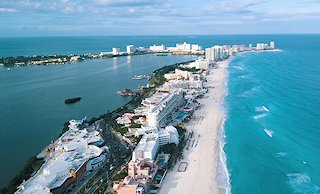
- Cancún's hotel zone caters to resort travellers with beaches, nightlife, and water sports.
- Playa del Carmen maintains a more relaxed vibe with Fifth Avenue's shops and restaurants.
- Tulum combines ruins, beaches, and a bohemian-chic scene.
- Isla Holbox offers car-free tranquility.
- Cozumel provides world-class diving on Mesoamerican Barrier Reef.
- Cenotes (limestone sinkholes) offer surreal swimming in crystal-clear water; Gran Cenote and Cenote Dos Ojos near Tulum are spectacular.
San Miguel de Allende & Guanajuato
- These colonial mountain towns in the Bajío region charm with cobblestone streets and pastel buildings.
- San Miguel's Parroquia church soars above the jardín (main square).
- The town attracts artists, expats, and tourists with its galleries, restaurants, and cultural offerings.
- Nearby Guanajuato's colourful houses cascade down ravines, connected by underground tunnels.
- The Alhóndiga was a key site in Mexico's independence movement.
- The Mummy Museum provides macabre fascination.
Yucatán Peninsula & Maya Ruins
- Chichén Itzá's massive pyramid El Castillo ranks among the New Seven Wonders of the World.
- Tulum dramatically positions temples on Caribbean cliffs above turquoise waters.
- Uxmal showcases intricate Puuc-style architecture.
- Cobá allows visitors to climb the tallest pyramid in Yucatán.
- Ek Balam features remarkably preserved stucco facades.
- Palenque, in neighbouring Chiapas, presents Maya architecture at its most elegant, surrounded by jungle where howler monkeys roam.
Mexican Cuisine
Mexican cuisine's complexity and regional diversity earned UNESCO recognition. Far beyond Tex-Mex stereotypes, authentic Mexican food showcases thousands of years of culinary evolution.
- Beverages: Beyond tequila and mezcal, Mexico offers agua frescas (fresh fruit waters like horchata, Jamaica, and tamarindo), Mexican hot chocolate, and craft beer from a booming microbrewery scene. Fresh fruit juices from market stalls burst with flavour.
- Breakfast: Chilaquiles (fried tortilla strips in salsa with eggs, cheese, and sometimes chicken) fuel mornings throughout Mexico. Other breakfast dishes include huevos rancheros and breakfast tacos.
- Ceviche & Aguachile: Coastal regions excel in raw fish 'cooked' in citrus juice. Ceviche typically uses lime with tomatoes, onions, and cilantro. Aguachile, from Sinaloa, features raw shrimp in a spicy chile and lime marinade.
- Mole: Complex sauces combining chilis, spices, nuts, seeds, and often chocolate define Mexican cooking's sophistication. Oaxaca claims seven types of mole. Puebla's mole poblano, dark and rich, typically accompanies turkey. Preparing mole takes hours or days; the depth of flavour rewards the effort.
- Pozole & Menudo: These hearty soups are weekend specialties. Pozole combines hominy with pork or chicken, topped with cabbage, radishes, oregano, and lime. Menudo's tripe base divides opinion but is beloved as a hangover cure.
- Regional Specialties: Yucatecan cuisine is distinct with Mayan influences; cochinita pibil (slow-roasted pork), sopa de lima (lime soup), and papadzules (egg-filled tortillas). Veracruz specialises in seafood, especially huachinango a la veracruzana (red snapper in tomato sauce). Puebla claims chile en nogada (stuffed pepper in walnut sauce) and cemitas (oversized sandwiches).
- Street Food: Some of Mexico's best food comes from street vendors. Elotes (grilled corn smothered in mayo, cheese, chili, and lime), tamales (steamed corn dough filled with meat or sweets in corn husks), quesadillas (not just cheese but filled with various ingredients), and churros (fried dough with sugar or chocolate) satisfy locals and travellers alike.
- Tacos: The quintessential Mexican food varies dramatically by region and filling. Tacos al pastor (spit-roasted pork with pineapple) originated in Mexico City. Tacos de carnitas (slow-cooked pork) define Michoacán. Fish tacos dominate coastal regions. Birria tacos (consommé-dipped) from Jalisco have conquered the world. Taco stands (taquerías) offer authentic, cheap experiences.
Getting Around Mexico
For Mexico's size and geography, flying between distant regions makes sense. Aeroméxico, Volaris, Viva Aerobus, and others connect major cities affordably. Book early for best fares.
- ADO & First-Class Buses: Mexico's bus system is excellent, comfortable, and economical. ADO operates first-class buses with air conditioning, reclining seats, and sometimes entertainment. Routes connect virtually every town and city. Terminal security and professionalism rival airlines. Book online or at terminals.
- Colectivos & Local Transportation: Shared vans (colectivos) connect towns and attractions economically. They leave when full and drop passengers anywhere along routes. In cities, buses and metro systems (Mexico City, Guadalajara, Monterrey) provide cheap transport.
- Organised Tours: For archaeological sites, remote areas, and activities like cenote diving or whale watching, organised tours provide convenience, expertise, and safety.
- Rental Cars: Driving provides flexibility, especially for exploring regions like Oaxaca, Baja, or Yucatán. Roads vary from modern toll highways (cuotas; expensive but fast) to free roads (libres; slower, sometimes rough). Mexican insurance is mandatory; purchase from reputable companies. Driving in major cities can be chaotic. Petrol stations (PEMEX) are frequent along main routes but scarce in remote areas.
- Taxis & Ride-Sharing: Uber operates in major cities, offering safer, more transparent pricing than street taxis. If taking taxis, use authorised sitio (radio) taxis rather than hailing on streets, especially in Mexico City and tourist areas. Always confirm fares before departing.
Practical Tips
- Altitude: Mexico City (2,240m), Guanajuato (2,012m), and San Cristóbal (2,200m) sit at significant elevations. Take it easy the first day or two, stay hydrated, and avoid excessive alcohol while acclimatising.
- Bargaining: Appropriate in markets and with street vendors, but not so in established shops with price tags. Always be polite and good-humoured. Initial prices often include room for negotiation.
- Currency: While US dollars are accepted in some tourist areas, you'll get better value using pesos. ATMs offer best exchange rates. Credit cards widely accepted in cities and tourist zones but cash is essential in small towns and for street vendors.
- Festivals & Closures: During major festivals and holidays (especially Semana Santa and Christmas), expect crowds, higher prices, and some business closures. Banks and government offices close on numerous Mexican holidays.
- Language: Learning basic Spanish enhances experiences dramatically. Many Mexicans in tourist areas speak English, but outside resorts, Spanish dominates. Translation apps help but attempts to speak Spanish are appreciated and often reciprocated with warmth.
- Pharmacies: Mexican pharmacies sell many medications over-the-counter that require prescriptions elsewhere. Pharmacists can provide basic medical advice. Quality is generally reliable in cities and tourist areas.
- Safety Awareness: While most tourist areas are safe, Mexico has regional security concerns. Research current conditions for your destinations. Use ATMs inside banks during business hours, avoid displaying wealth, don't travel on remote highways at night, and stay alert. Tourist areas like Riviera Maya, Los Cabos, and major cities' tourist zones have heavy security presences.
- Sun Protection: Mexico's sun is intense, especially at higher altitudes and on beaches. Use high-SPF sunscreen, wear hats, and seek shade during peak hours (11am-3pm).
- Time Flexibility: 'Mexican time' is real; events may start later than scheduled. Businesses may close unexpectedly or have varied hours. Build flexibility into schedules and embrace a more relaxed approach to punctuality.
- Tipping: Service staff rely on tips. Standard rates: 10-15% in restaurants, 10-20 pesos per bag for porters, 20-50 pesos per day for hotel housekeeping, 10% for taxis (round up fare). All-inclusive resort staff appreciate tips despite advertised 'no tipping'.
- Water Safety: Don't drink tap water. Stick to bottled water (agua purificada), which is inexpensive and available everywhere. Ice in tourist establishments is usually made from purified water. Brush teeth with bottled water to be safest.
Regional Travel Guides
Mexico travel guides written by people in the know - a community of expats, Mexican locals and regular visitors to Mexico.
Travel writers and photographers are invited to join our team of travel content creators.