Overview
Visitors to Malaysia will find a remarkable diversity, where ancient rainforests meet futuristic cities, pristine beaches border dramatic mountains, and multicultural traditions blend harmoniously.
This South-east Asian gem encompasses Peninsular Malaysia, sharing borders with Thailand and Singapore, and Malaysian Borneo; home to some of the world's oldest jungles and unique wildlife.
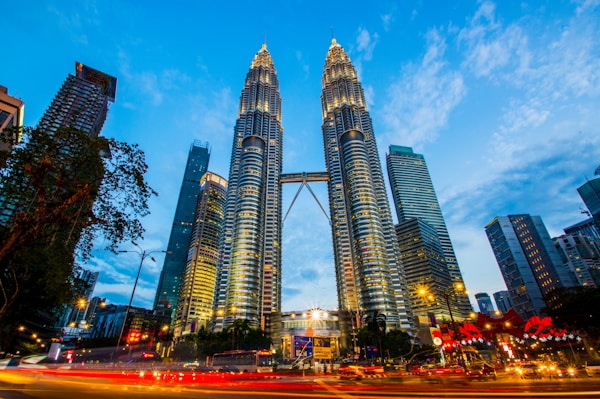
From the soaring Petronas Towers in Kuala Lumpur to the UNESCO World Heritage streets of George Town and Melaka, Malaysia offers extraordinary experiences for adventurous travellers to savour.
The nation's multicultural fabric weaves together Malay, Chinese, Indian, and indigenous influences, creating a society where mosques, temples, and churches coexist peacefully, and where culinary traditions from across Asia merge into one of the world's most exciting food scenes.
English is widely spoken, making Malaysia accessible to international travellers while maintaining authentic Asian character.
Natural wonders abound across Malaysia's landscapes. The ancient rainforests of Malaysian Borneo shelter orangutans, pygmy elephants, and proboscis monkeys. Mount Kinabalu, South-east Asia's highest peak, challenges trekkers with its dramatic granite summit.
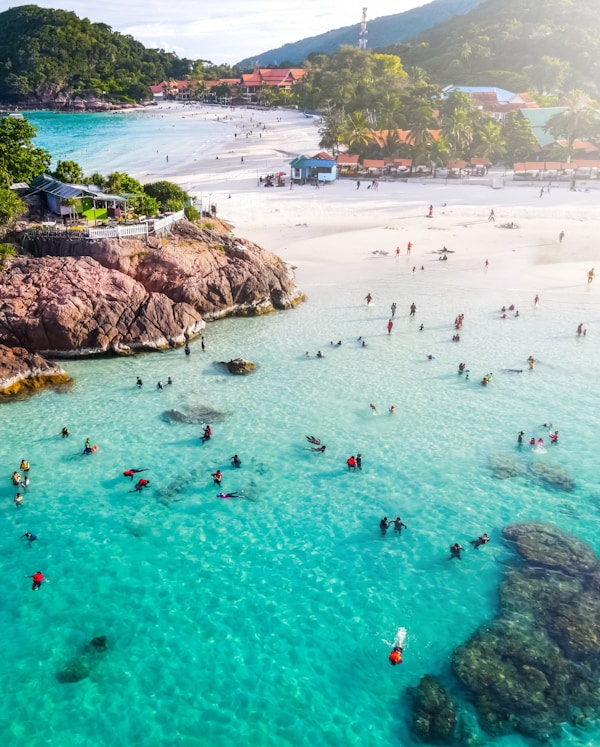
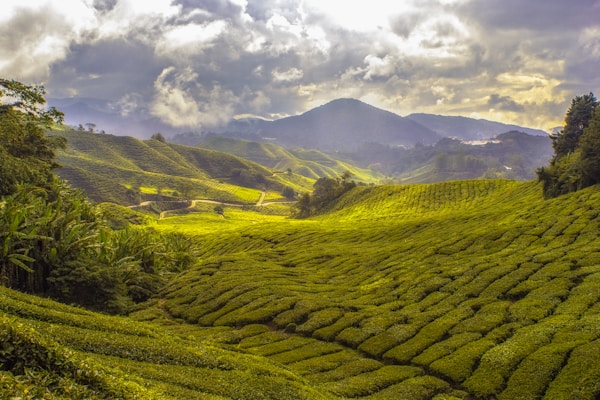
Pristine islands like the Perhentians and Tioman offer world-class diving and powder-white beaches. Colonial hill stations provide cool retreats amid tea plantations.
Whether seeking urban sophistication, cultural immersion, wildlife encounters, or beach paradise, Malaysia delivers with warmth, efficiency, and remarkable value.
Getting There
By Air
Kuala Lumpur International Airport (KUL), South-east Asia's major hub, connects Malaysia to over 120 destinations worldwide. The modern airport hosts Malaysia Airlines, the national carrier, alongside numerous international and budget airlines including AirAsia, one of Asia's largest low-cost carriers.
Secondary airports serve Penang (PEN), Langkawi (LGK), Johor Bahru (JHB), Kota Kinabalu (BKI), and Kuching (KCH), with excellent domestic connections. The KLIA Ekspres train links the airport to central Kuala Lumpur in just 28 minutes.
By Land
Multiple road crossings connect Peninsular Malaysia to Thailand in the north and Singapore in the south. Comfortable buses operate extensive international routes. The Eastern & Oriental Express luxury train travels between Singapore and Bangkok via Malaysia. Regular trains connect Thailand's Hat Yai to various Malaysian cities.
By Sea
Ferry services link Peninsular Malaysia to Indonesia's Sumatra. Langkawi and Penang connect to Thailand's southern islands. Numerous boats serve Malaysia's islands and coastal destinations. Cruise ships increasingly include Malaysian ports on Southeast Asian itineraries.
Visa Requirements
Citizens of the US, Canada, UK, Australia, New Zealand, and most European countries can enter Malaysia visa-free for stays of up to 90 days for tourism purposes. Some nationalities receive 30-day or 14-day visa-free access. Passports must be valid for at least six months beyond the intended stay.
Entry requirements for Peninsular Malaysia and Malaysian Borneo (Sabah and Sarawak) differ; separate immigration clearance is required when travelling between them. Always verify current requirements based on your nationality before travelling to Malaysia.
Best Time to Visit Malaysia
Major festivals transform Malaysia into a celebration of diversity. Chinese New Year, Hari Raya Aidilfitri, Deepavali, and Christmas are all public holidays reflecting Malaysia's multicultural society. These periods offer cultural richness but require advance accommodation bookings.
Malaysia's tropical climate means warm temperatures year-round, but monsoon seasons affect different regions at different times. Choosing the best time depends on your destination.
- Peninsular Malaysia - West Coast (Penang, Langkawi, Perak): The best weather occurs from November to March, with minimal rainfall and lower humidity. This coincides with the east coast monsoon, making the west coast ideal when eastern beaches close. December and January are peak months with larger crowds and higher prices. April to October brings more rain but remains visitable, with afternoon thunderstorms clearing quickly.
- Peninsular Malaysia - East Coast (Perhentian Islands, Redang, Tioman): Visit from March to October when the sea is calm and islands fully operational. The north-east monsoon (November-February) brings heavy rain, rough seas, and island resort closures. May to August offers the most reliable sunshine for beach activities and diving.
- Kuala Lumpur and Central Malaysia: The capital experiences year-round warm, humid weather with afternoon thunderstorms. December through February are slightly cooler and less humid, but the city remains comfortable year-round thanks to ubiquitous air conditioning. Major festivals like Chinese New Year and Hari Raya create vibrant cultural experiences but also crowds.
- Cameron Highlands: The hill station's cool climate makes it a year-round destination, though March to October offers drier conditions for hiking and sightseeing. Weekends and school holidays bring domestic crowds.
- Malaysian Borneo (Sabah and Sarawak): No true dry season exists, but March to October generally brings less rainfall. The south-west monsoon (May-September) affects the west coast more than the interior. Wildlife viewing, especially orangutans, is possible year-round, though wetter months make forest trekking more challenging. Mount Kinabalu is best climbed February to April.
Top Attractions by Region
Borneo - Sabah & Sarawak
- Longhouse Stays with Iban communities offer authentic cultural immersion in traditional dwellings.
- Malaysian Borneo delivers wild, untamed nature.
- Mount Kinabalu, UNESCO-listed and South-east Asia's highest peak (4,095m), challenges trekkers with pre-dawn summit pushes revealing incredible sunrise views.
- Mulu Caves' spectacular limestone formations and massive chambers inspire awe. Kuching, Sarawak's charming capital, combines waterfront atmosphere with museums preserving indigenous cultures.
- Sepilok Orangutan Rehabilitation Centre allows close encounters with these endangered great apes.
- The Kinabatangan River supports proboscis monkeys, pygmy elephants, and hornbills in riparian rainforest.
Cameron Highlands
- British Colonial Influence persists in Tudor-style architecture and afternoon tea traditions.
- Malaysia's Premier Hill Station escapes tropical heat with temperatures 10-15°C cooler than lowlands.
- Mossy Forests and Jungle Trails offer excellent hiking.
- Strawberry Farms invite pick-your-own experiences.
- The Highland Climate supports temperate vegetables and flowers, creating agricultural landscapes unusual in tropical South-east Asia.
- Vast Tea Plantations carpet hillsides, with tours revealing the cultivation process.
George Town, Penang
- Clan Jetties extend over the water, housing Chinese communities that have lived there for generations.
- George Town's street food scene ranks among the world's best, from char kway teow to assam laksa to cendol.
- Heritage Hotels, museums, and galleries complete the cultural immersion.
- Straits Chinese (Peranakan) shophouses line atmospheric streets adorned with striking street art.
- Temples, mosques, churches, and colonial buildings reflect centuries of trade and cultural exchange.
- The UNESCO World Heritage City captivates visitors with its preservation of multicultural history.
Kuala Lumpur
- Malaysia's Dynamic Capital juxtaposes gleaming skyscrapers with colonial architecture and vibrant street life.
- Petronas Twin Towers dominate the skyline; their skybridge and observation deck offer spectacular city views.
- Batu Caves, limestone formations housing Hindu temples, sit just outside the city, requiring a climb up 272 rainbow-coloured steps.
- The Colonial District around Merdeka Square preserves British heritage.
- Bustling Chinatown's Petaling Street market contrasts with upscale shopping in Bukit Bintang.
- The Islamic Arts Museum showcases stunning collections.
- Excellent public transport makes navigation easy.
Langkawi
- This duty-free archipelago of 99 islands combines beach relaxation with natural attractions.
- The cable car ascends to spectacular mountain views, while the sky bridge provides thrilling suspended walkways.
- Mangrove forests reveal unique ecosystems on boat tours.
- Beautiful beaches range from developed Pantai Cenang to secluded coves accessible only by boat.
- Sunset cruises, island hopping, and water sports complete the tropical island experience.
Melaka
- Another UNESCO World Heritage Site, Melaka showcases 600 years of trade history through Portuguese, Dutch, and British colonial architecture.
- The distinctive Stadthuys (Dutch colonial building) anchors the historic centre.
- Jonker Street's antique shops and weekend night market attract visitors, while the Baba-Nyonya Heritage Museum preserves unique Peranakan culture.
- Melaka's food scene blends Portuguese, Dutch, Chinese, Malay, and Peranakan influences into unique dishes found nowhere else.
- River cruises reveal the city from different perspectives.
Perhentian Islands
- These idyllic islands off the east coast epitomise tropical paradise with crystal-clear water, powder-white beaches, and vibrant coral reefs.
- Excellent diving and snorkelling reveal sea turtles, blacktip reef sharks, and abundant marine life.
- Perhentian Besar (Big Island) offers family-friendly resorts, while Perhentian Kecil (Small Island) attracts backpackers with budget accommodations.
- The laid-back atmosphere and natural beauty make disconnecting easy.
- No roads exist; paths through jungle connect beaches.
Malaysian Cuisine
Malaysian cuisine stands as one of Asia's most diverse and exciting, blending Malay, Chinese, Indian, and indigenous influences with regional variations creating distinct dishes. The multicultural society means incredible variety within short distances. Must-try dishes include:
- Bak Kut Teh: Pork rib soup simmered with herbs and spices until tender appears throughout Malaysia with variations. Klang's peppery version contrasts with herb-heavy Hokkien styles. Eaten with rice, youtiao (fried dough), and Chinese tea, it's the perfect comfort food.
- Banana Leaf Rice: South Indian tradition serves rice on banana leaves with various curries, vegetables, papadum, and pickles. The eco-friendly presentation and eat-with-your-hands tradition create memorable dining. Little India districts in major cities offer the most authentic versions.
- Char Kway Teow: Flat rice noodles wok-fried with prawns, cockles, Chinese sausage, bean sprouts, and egg in dark soy sauce deliver smoky, savoury perfection. Penang's versions are legendary, cooked over intense heat creating the essential 'wok hei' (breath of wok) flavour.
- Laksa: This complex curry noodle soup has regional variations. Penang's assam laksa features sour, fish-based broth with thick rice noodles. Curry laksa (also called laksa lemak) combines coconut milk curry with noodles, tofu puffs, and prawns. Sarawak laksa offers a unique sambal-based version. Each region fiercely defends their version as superior.
- Nasi Lemak: Malaysia's unofficial national dish features coconut rice served with sambal (spicy chili paste), fried anchovies, peanuts, boiled egg, and cucumber. Traditionally breakfast food, it's enjoyed any time. Additions like fried chicken, rendang, or squid transform simple nasi lemak into hearty meals. Every state claims the best version.
- Rendang: This rich, slow-cooked meat curry achieves deep, complex flavours through coconut milk, lemongrass, galangal, and spices. Traditionally prepared for celebrations, rendang's dry texture and concentrated taste distinguish it from wet curries. Beef is most common, though chicken and lamb versions exist.
- Roti Canai: Flaky, crispy Indian-influenced flatbread served with curry dipping sauce is ubiquitous at breakfast and mamak stalls. Variations include additions like egg, cheese, banana, or condensed milk. Watching the theatrical dough-flipping preparation adds to the experience.
- Satay: Skewered, grilled meat (chicken, beef, or lamb) served with peanut sauce, cucumber, onion, and compressed rice cakes is quintessential Malaysian street food. The sweet-spicy peanut sauce and smoky char from charcoal grills create addictive flavours. Kajang, near Kuala Lumpur, claims the title of satay capital.
Malaysian food culture centres on hawker stalls and coffee shops (kedai kopi), where the best and most affordable food is found. Night markets (pasar malam) offer incredible variety. Halal food is widely available, reflecting the Muslim-majority population, while Chinese and Indian areas provide pork and vegetarian options.
Getting Around Malaysia
Malaysia's well-developed transportation infrastructure makes travelling between and within destinations straightforward and affordable.
- Buses: Extensive, affordable bus networks connect virtually every destination in Peninsular Malaysia. Numerous companies operate comfortable coaches with air conditioning. Bus travel remains the most economical option with online booking platforms simplifying the planning process. Premium services offer extra legroom and amenities.
- Car Rental: Rental cars are affordable and worthwhile for exploring at your own pace. Driving opens rural areas, national parks, and off-the-beaten-path destinations. Roads are generally good, though mountain roads can be winding. Drive on the left. International driving permits are required. Kuala Lumpur traffic is challenging; consider using public transport there.
- Domestic Flights: Kuala Lumpur serves as the main hub for domestic connections. Budget airlines, particularly AirAsia and Malaysia Airlines' subsidiary Firefly, connect major cities and Borneo destinations affordably. Book early for best rates. Flying saves time on longer routes, especially to Borneo.
- Ferries and Boats: Essential for reaching islands, ferries operate on set schedules with increased frequency during high season. Speed boats offer faster, more expensive alternatives. Book accommodations and return ferries together, especially for popular islands during peak periods. East coast island ferries don't operate during monsoon season (November-February).
- Kuala Lumpur Public Transport: The capital's integrated system includes LRT (Light Rail Transit), MRT (Mass Rapid Transit), monorail, and KTM Komuter trains. Touch 'n Go cards work across all services. The network is modern, air-conditioned, and efficient. Grab (ride-hailing) fills gaps and provides door-to-door convenience.
- Taxis and Ride-Hailing: Metered taxis exist but many drivers prefer fixed fares, often inflated for tourists. Grab offers transparent pricing and reliability. Available in all major cities and tourist areas, it's become the preferred option. Always confirm prices before metered taxi journeys.
- Trains: ETS (Electric Train Service) provides comfortable, punctual intercity rail travel along the west coast from Padang Besar (Thai border) to Johor Bahru (Singapore border). KTM operates slower, more economical services. The jungle train from Tumpat to Gemas crosses peninsular Malaysia through rural landscapes. Book tickets online through KTMB for best availability and prices.
Practical Tips
- Accommodation Booking: Book ahead during school holidays (March, June, August-September, November-December) and major festivals like Chinese New Year. Island resorts fill quickly during peak season. Budget options are plentiful. Many guesthouses offer dorm beds and private rooms.
- Bargaining: Bargaining is expected at markets and some small shops. Start at 50-60% of the asking price and negotiate from there. Fixed prices apply in malls, supermarkets, and restaurants.
- Climate and Packing: Pack light, breathable clothing for heat and humidity. Bring a light rain jacket or umbrella for sudden downpours. Modest clothing is essential for religious sites. Sandals are practical but bring covered shoes for hiking. Sunscreen, insect repellent, and electrolyte drinks combat tropical conditions.
- Cultural Sensitivity: Malaysia is Muslim-majority; dress modestly when visiting mosques (covering arms, legs, and women's heads) and during Ramadan respect fasting by not eating publicly during daylight. Remove shoes before entering homes, temples, and some shops. Use your right hand for eating and passing objects (left hand is considered unclean). Public displays of affection should be minimal.
- Currency and Payments: The Malaysian Ringgit (RM or MYR) is the currency. ATMs are ubiquitous in cities. Credit cards are widely accepted in hotels, restaurants, and malls, but cash is preferred at hawker stalls and small shops. Money changers offer better rates than banks. Keep small denominations for taxis and street food.
- Health Precautions: Tap water is generally not safe to drink; stick to bottled or boiled water. Ice in restaurants is usually safe. Dengue fever risk exists; use mosquito repellent. Healthcare standards are excellent in cities, with many private hospitals offering international-standard care at reasonable costs. Travel insurance is strongly recommended.
- Internet and Connectivity: Malaysia has good Internet coverage in urban areas. Purchase a local SIM card with data at airports or mobile phone shops; prepaid plans are affordable. WiFi is common in accommodations and cafes. Borneo's remote areas have limited connectivity.
- Language: Bahasa Malaysia (Malay) is the official language, but English is widely spoken, especially in cities and tourist areas. Mandarin, Tamil, and various Chinese dialects are also common. Most signage includes English. Basic Malay phrases are appreciated: 'Terima kasih' (thank you), 'Selamat pagi' (good morning).
- Safety: Malaysia is generally safe with low violent crime rates. Petty theft occurs in tourist areas; watch valuables and use hotel safes. Avoid walking alone late at night in isolated areas. Be cautious with drinks in bars. Respect local laws; drug trafficking carries the death penalty.
- Tipping: Tipping is not customary; service charges are usually included in restaurant bills. Round up taxi fares or leave small change for good service. No tipping is expected at hawker stalls or food courts.
Regional Travel Guides
Malaysia travel guides written by people in the know - a community of expats, Malaysian locals and regular visitors to Malaysia.
Travel writers and photographers are invited to join our team of travel content creators.