Overview
Whether you’re a history buff, a lover of folklore, or simply seeking breathtaking scenery, Ireland offers an unforgettable journey through myth and memory.
With emerald landscapes, warming hearths, and stories that dance on every breeze, Ireland isn't just a destination; it's a feeling that settles into your bones with the first sip of Guinness in a centuries-old pub.
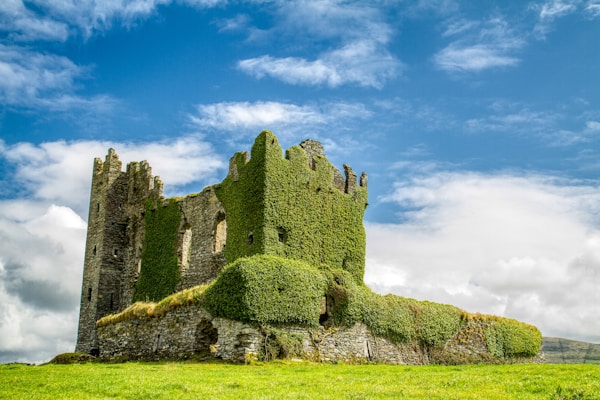
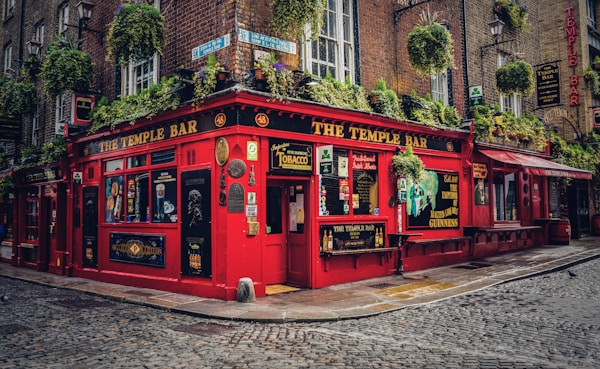
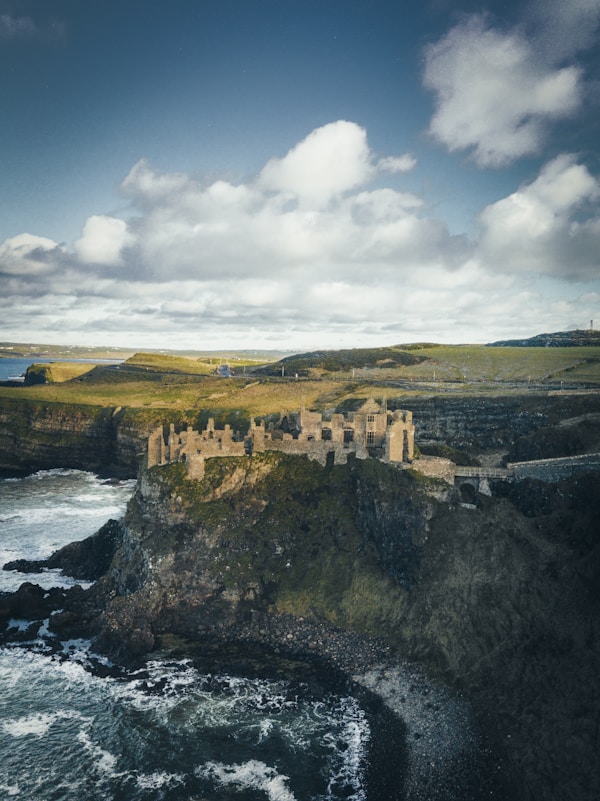
This island nation wraps dramatic coastal cliffs, rolling green hills, and windswept mountains in a tapestry of myth and music. From Dublin's Georgian elegance to the wild beauty of Connemara, Ireland rewards those who venture beyond the postcards.
What makes Ireland truly special isn't just the landscape that shifts from pastoral to dramatic within miles, or the castles that punctuate nearly every county. It's the intangible Irish spirit, 'the craic', that transforms ordinary moments into memories. Everywhere, there's music, laughter, and the understanding that the journey matters more than the destination.
The Irish have perfected the art of storytelling, turning even a simple conversation into entertainment. Their warmth extends from bustling city pubs, where traditional music sessions erupt spontaneously, to remote villages where time moves at a gentler pace.
Rain showers pass quickly, revealing landscapes of impossible green. Stone walls crisscross fields where sheep outnumber people. Ancient Celtic heritage meets contemporary creativity in museums, galleries, and street corners where buskers perform with world-class talent.
Getting There
By Air
Dublin Airport (DUB) serves as Ireland's primary international gateway, with direct flights from North America, Europe, and the Middle East. Cork (ORK) and Shannon (SNN) airports handle transatlantic and European routes. Budget carriers like Ryanair and Aer Lingus connect Ireland affordably to most European cities.
By Sea
Ferry services operate from Britain and France, with routes connecting Dublin, Rosslare, and Cork to UK ports and Cherbourg/Roscoff in France. Irish Ferries and Stena Line offer passenger and vehicle transport.
Visa Requirements
EU/EEA citizens need only a valid passport or national ID. US, Canadian, Australian, and New Zealand citizens can visit visa-free for up to 90 days. Check Irish Naturalisation and Immigration Service (INIS) for other nationalities. Ireland is not part of the Schengen Area, requiring separate entry even if you hold a Schengen visa.
Best Time to Visit Ireland
When visiting Ireland, the shoulder seasons of late spring (May and June) and early autumn (September and October) offer the most pleasant experience overall.
- Spring (March-May): The Irish countryside explodes in vibrant greens and wildflowers. Temperatures range between 8-15°C. St. Patrick's Day (March 17th) brings festivals nationwide. Fewer crowds and reasonable accommodation prices make this ideal for exploration.
- Summer (June-August): Peak season with warmest weather (15-20°C) and longest daylight hours. Music festivals proliferate, beaches come alive, and outdoor activities peak. Book accommodations well ahead. Expect higher prices and crowds at major attractions.
- Autumn (September-November): Shoulder season offers mild weather (10-15°C), spectacular foliage, and harvest festivals. Tourism quiets, prices drop, and locals reclaim their favourite spots. Pack layers for unpredictable weather changes.
- Winter (December-February): Cold (4-8°C) and wet, but atmospheric. Christmas markets enchant cities, pubs glow warmly, and coastal storms create dramatic seascapes. Lowest prices and authentic local experiences reward hardy travellers willing to embrace Irish weather.
Top Attractions by Region
Dublin & East Coast
- Dublin City: Trinity College's Book of Kells, Temple Bar's pubs, Georgian architecture on Merrion Square, and the Guinness Storehouse blend history with contemporary energy. Kilmainham Gaol and EPIC Irish Emigration Museum tell powerful stories.
- Glendalough: This 6th-century monastic settlement nestled in Wicklow Mountains features a perfectly preserved round tower, ancient churches, and two lakes surrounded by hiking trails through Ireland's 'Garden County'.
- Newgrange: Older than Stonehenge and the pyramids, this Neolithic passage tomb aligns with the winter solstice sunrise. The nearby Hill of Tara was the ancient seat of Irish High Kings.
South-West Ireland
- Cork City & County: Ireland's second city offers English Market's culinary delights, historic port architecture, and vibrant arts scene. Kiss the Blarney Stone at Blarney Castle or explore Kinsale's colourful waterfront and gourmet restaurants.
- Dingle Peninsula: More intimate than Kerry, Dingle Town charms with traditional pubs, fresh seafood, and Irish-speaking locals. Ancient beehive huts, spectacular Slea Head Drive, and Blasket Islands create unforgettable landscapes.
- Ring of Kerry: This 179km scenic drive circles the Iveragh Peninsula, passing colourful villages, dramatic coastline, mountains, and pristine beaches. Killarney National Park anchors the region with lakes, woodlands, and mountains.
West Coast
- Aran Islands: Time-warped islands where Irish is spoken daily, stone walls pattern the landscape, ancient forts perch on cliff edges, and traditional lifestyles persist. Reach them by ferry from Doolin or Rossaveel.
- Cliffs of Moher: These dramatic 214-metre cliffs stretch 8km along the Atlantic, offering vertiginous views that have captivated travellers for centuries. The visitor centre provides geology and wildlife context.
- Connemara: Untamed beauty defines this region of mountains, bogs, lakes, and lonely coastlines. Sky Road near Clifden offers stunning Atlantic views, while Kylemore Abbey's Victorian Gothic romance captivates.
- Galway: Bohemian university city known for street performers, traditional music sessions, colourful shop fronts, and festivals. Gateway to Connemara's wild landscapes and the Aran Islands.
Northern Ireland (UK)
- Belfast: Titanic Belfast tells the ship's story in its birthplace. Political murals document the Troubles, while Cathedral Quarter buzzes with restaurants, pubs, and street art. The city has transformed dramatically in recent decades.
- Giant's Causeway: 40,000 interlocking basalt columns formed by volcanic activity create an otherworldly coastal landscape. Legend claims Irish giant Finn McCool built it to reach Scotland.
Irish Cuisine
Irish food has evolved from humble peasant fare to a celebrated culinary scene showcasing local ingredients.
- Artisan Products: Farmhouse cheeses, artisan breads, and locally produced charcuterie have elevated Irish food. Visit farmers' markets for authentic tastes.
- Drinks: Locals insist that Guinness tastes better in Ireland. Irish whiskey from distilleries like Jameson, Bushmills, and craft producers deserves serious attention. Irish coffee (whiskey, coffee, cream, sugar) originated at Shannon Airport.
- Pub Food: Modern gastropubs transform traditional dishes with contemporary techniques while maintaining hearty portions and welcoming atmospheres.
- Seafood: Atlantic waters provide exceptional oysters, mussels, crab, and fish. Galway oysters, Dingle crab claws, and smoked salmon showcase Ireland's maritime bounty.
- Traditional Dishes: Irish stew (lamb, potatoes, onions), boxty (potato pancakes), colcannon (mashed potatoes with cabbage), and full Irish breakfast (bacon, sausages, black and white pudding, eggs, beans, tomatoes, mushrooms) fuel adventures. Seafood chowder appears on every coastal menu.
Getting Around Ireland
If you're planning to explore Ireland, your choice of transport will significantly shape your experience. Here’s a concise guide tailored to help you navigate the island efficiently and enjoyably.
- Car Rentals: Renting a car is widely regarded as the best way to travel around Ireland, especially if you want flexibility and the freedom to explore rural areas and hidden gems at your own pace. Roads can be narrow in places, but many travellers find driving straightforward and rewarding. Just remember that in Ireland, you drive on the left-hand side of the road, which might take some getting used to if you're from elsewhere. Driving also allows you to set your own schedule and itinerary along scenic routes, without depending on public transport timetables.
- Cycling: Ireland's compact size and scenic back roads appeal to cyclists. Great Western Greenway, in Mayo, offers 42km of traffic-free cycling. Bring rain gear, just in case.
- Public Transportation: Bus Éireann connects most towns, while Irish Rail serves major cities and scenic routes like Dublin-Cork and Dublin-Galway. Dublin has DART suburban rail and extensive bus networks. Services are less frequent in rural areas.
- Tour Buses: Day tours from Dublin, Galway, and Cork reach major attractions without driving concerns. Hop-on-hop-off buses serve cities.
- Walking: Cities are walkable, and hiking trails criss-cross the country. Wicklow Way, Kerry Way, and Burren Way provide multi-day walking experiences.
Practical Tips
- Accommodation: Book ahead, especially during summer and holiday weekends. B&Bs offer authentic experiences and hearty breakfasts. Hostels suit budget travellers, while castle hotels provide a luxury stay.
- Currency: Credit cards are widely accepted, but carry cash (Euros) for small pubs, B&Bs, and rural areas. ATMs are plentiful in towns.
- Driving Tips: Roundabouts operate clockwise. Speed limits in km/h. Narrow roads require patience and mirrors folded in. Parking is expensive in cities.
- Language: English dominates, but Irish appears on all signs. Gaeltacht regions speak Irish daily. Learning 'sláinte' (cheers) and 'craic' (fun/good times) helps.
- Opening Hours: Many attractions close or reduce hours during November to March. Verify before travelling. Shops typically close on Sundays, or operate reduced hours.
- Pub Culture: Rounds system; if someone buys you a drink, you're expected to reciprocate. Pubs close earlier than European counterparts (12:30am-2:30am depending on license). Smoking banned indoors.
- Safety: Ireland is very safe. Normal urban precautions apply in cities. Rural areas present zero crime concerns.
- Tipping: Not obligatory but appreciated. 10-15% for good restaurant service, round up taxi fares, leave €1-2 per day for hotel housekeeping.
- Weather Preparation: 'Four seasons in one day' accurately describes Irish weather. Pack a waterproof jacket, layers, and comfortable waterproof shoes. Use an umbrella and you could fight a losing battle against the wind.
Regional Travel Guides
Ireland travel guides written by people in the know - a community of expats, Irish locals and regular visitors to Ireland.

Travel writers and photographers are invited to join our team of travel content creators.