Overview
Indonesia defies simple description. Spanning three time zones and 17,000 islands (6,000 inhabited), this mega-diverse nation contains more cultures, languages, landscapes, and experiences than many entire continents.
From Bali's spiritual Hindu temples to Raja Ampat's unparalleled marine biodiversity, Borobudur's Buddhist magnificence to Java's Islamic heartland, and Sumatra's orangutans to Komodo's dragons, Indonesia presents a lifetime of discovery.
The world's fourth most populous country somehow remains underexplored beyond Bali.
Jakarta's metropolitan energy, Yogyakarta's artistic soul, Sumatra's wild jungles, Sulawesi's unique cultures, Flores' traditional villages, and Papua's remote indigenous communities each tell distinct stories. The Wallace Line, an invisible ecological boundary, splits Indonesia between Asian and Australian species, adding to its biological uniqueness.
What makes Indonesia special is how ancient traditions persist alongside modernity. Rice terraces carved into mountains centuries ago still feed millions. Gamelan orchestras accompany traditional shadow puppet shows. Villages maintain elaborate ceremonies honouring ancestors and spirits. Yet Indonesia is also a democracy of remarkable religious and ethnic tolerance, where Islam, Christianity, Hinduism, and Buddhism all coexist peacefully.
The challenges are real; distances are vast, infrastructure inconsistent, and planning requires patience. But rewards match efforts.
Indonesia offers some of Earth's most spectacular diving, pristine beaches, volcanic landscapes, unique wildlife, and authentic cultural encounters unavailable elsewhere. And Indonesian hospitality; warm, genuine, and patient with language barriers turns logistical challenges into human connections.
Getting There
By Air
Soekarno-Hatta Airport (CGK) in Jakarta is South-east Asia's major hub. Ngurah Rai Airport (DPS) in Bali receives extensive international flights. Singapore, Kuala Lumpur, and Bangkok also serve as common connection points with Indonesia. The Indonesian domestic network is extensive, but book ahead.
By Sea
Indonesia has ferry connections with Malaysia (Penang-Medan, Port Klang-Tanjung Balai) and Singapore-Batam. Slower but offers an adventurous alternative.
Visa Requirements
Visa-free entry for 30 days (not extendable) for 169 nationalities at major airports and ports. Visa-on-arrival (VOA) available for 30 days with possibility of one 30-day extension. Business and social visas can be arranged in advance for longer stays. Requirements change frequently, so verify the current policy.
Best Time to Visit Indonesia
Indonesia's equatorial position means heat and humidity year-round, but monsoons dramatically affect travel conditions.
- Dry Season (May-September): Best time for most of Indonesia. Lower humidity, less rain, calmer seas for island hopping and diving. Peak tourist season means higher prices and crowds in Bali. Book ahead.
- Wet Season (October-April): Heavy afternoon rains, rough seas, and humidity increase. Some remote areas become inaccessible. Advantages include lush landscapes, fewer tourists (except December-January), and lower prices. Rain typically comes in intense bursts rather than all-day affairs.
- Regional Variations:
- Bali/Java/Lombok: Dry May-September.
- Sulawesi/Maluku: Best May-September (north) or October-April (south).
- Raja Ampat: Best October-April.
- Sumatra: Varies by region; generally less pronounced seasons. - Cultural Events: Nyepi (Balinese New Year, March/April) shuts down Bali completely; airports close, no lights, silence observed. Fascinating but plan accordingly. Ramadan (dates vary) sees reduced restaurant hours in Muslim areas but vibrant evening markets.
Top Attractions by Region
Bali
- Beaches: Seminyak's surf and beach clubs, Canggu's hipster digital nomad scene, Sanur's calm waters, Amed's diving and snorkelling, Nusa Dua's resort beaches, hidden beaches around Bukit Peninsula.
- Mount Batur: Sunrise trek to active volcano's rim overlooking Lake Batur. Well-organised tours from Ubud.
- Nusa Islands: Nusa Penida's dramatic cliffs (Kelingking Beach, Angels Billabong), Nusa Lembongan's laid-back surf scene, Nusa Ceningan's small-island charm. Day trips or overnight stays.
- Rice Terraces: Jatiluwih UNESCO terraces, Tegalalang's Instagram-famous cascades. Best viewed morning or late afternoon.
- Temples: Tanah Lot sunset temple on offshore rock, Uluwatu cliff-top temple with Kecak dance performances, Besakih (Mother Temple) on Mount Agung's slopes, Tirta Empul's holy spring pools.
- Ubud: Cultural heart surrounded by rice terraces, temples, and art galleries. Monkey Forest, Tegalalang Rice Terraces, traditional dance performances, and yoga retreats. Increasingly touristy but maintains charm in quieter corners.
Flores & Komodo
- Kelimutu: Tri-coloured crater lakes that change colours due to volcanic minerals. Sunrise reveals turquoise, green, and black lakes. Traditional villages nearby preserve centuries-old customs.
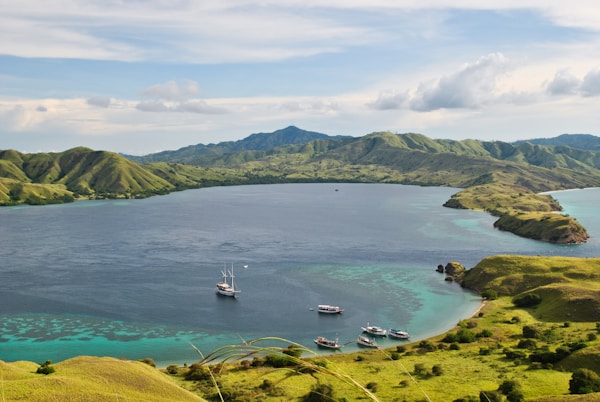
- Komodo National Park: Home to Komodo dragons; world's largest lizards. Boat trips from Labuan Bajo visit Komodo and Rinca islands. Pink Beach, Padar Island viewpoint, and world-class diving attract beyond dragons.
- Labuan Bajo: Gateway to Komodo, rapidly developing with improved airport. Liveaboards depart for multi-day diving trips.
Java
- Borobudur: World's largest Buddhist temple (9th century). 2,672 relief panels and 504 Buddha statues create mandala representing Buddhist cosmology. Sunrise tours ascend in darkness to witness temple emerge from mist. UNESCO World Heritage. Nearby Mendut and Pawon temples complete the complex.
- Ijen Crater: Blue flames from sulfur combustion visible at night. Sunrise reveals turquoise acidic crater lake. Challenging trek. Sulfur miners carrying heavy loads up and down is a humbling sight.
- Jakarta: Chaotic capital often skipped but offers National Museum, Old Batavia (Kota Tua), Thousand Islands day trips, and authentic Indonesian urban life. Traffic is legendary.
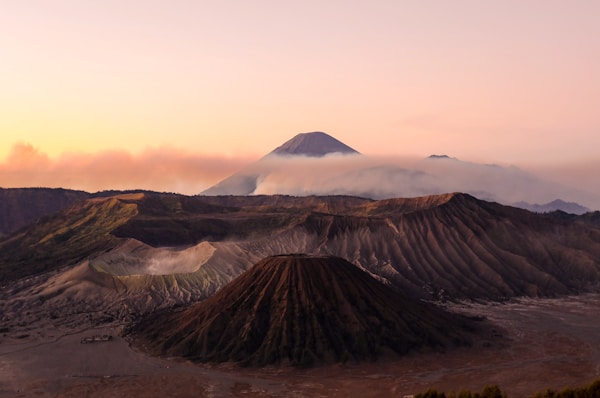
- Mount Bromo: Active volcano in Tengger Caldera creates surreal lunar landscape. Sunrise viewpoint at Mount Penanjakan shows Bromo smoking in the caldera with Mount Semeru behind. Jeep tours from Cemoro Lawang.
- Prambanan: Hindu temple complex dedicated to Trimurti. Towering stone structures with detailed reliefs depicting Ramayana. Sunset visits magical. UNESCO Heritage.
- Yogyakarta: Cultural capital and base for temple visits. Kraton (Sultan's Palace), batik workshops, Malioboro shopping street, and thriving arts scene.
Lombok & Gili Islands
- Gili Islands: Three small islands; Trawangan (party), Meno (quiet), and Air (middle ground). No motorised vehicles, excellent diving/snorkelling, sea turtles, and laid-back beach life. Recovering from 2018 earthquake.
- Kuta Lombok: Surf beaches, traditional Sasak villages, and less development than Bali.
- Mount Rinjani: Indonesia's second-highest volcano. Multi-day trek to summit passes hot springs and stunning Segara Anak crater lake. Challenging but rewarding.
Raja Ampat
- Marine Paradise: Remote Papua islands harbour world's highest marine biodiversity. Pristine coral reefs, manta rays, whale sharks, and kaleidoscope of fish. Expensive to reach but unparalleled diving/snorkelling. Liveaboards or resort stays. Permits required.
- Wayag Islands:Iconic karst islands rising from turquoise water. Challenging climb rewards with breathtaking panorama.
Sulawesi
- Bunaken National Park: World-class diving and snorkelling off Manado. Dramatic drop-offs teeming with marine life.
- Makassar: Sulawesi's main city, gateway to Tana Toraja, historic fort, and excellent seafood.
- Tana Toraja: Highland region with unique funeral ceremonies, traditional tongkonan houses with boat-shaped roofs, and elaborate burial sites carved into cliffs. Cultural immersion unlike anywhere else.
Sumatra
- Banda Aceh: Sumatra's northern tip, tsunami museum, grand mosque, and gateway to surfing at Pulau Weh.
- Bukit Lawang: Jungle trekking to see wild orangutans in Gunung Leuser National Park. Multi-day treks deep into rainforest, river tubing, and conservation centres.
- Lake Toba: Enormous volcanic crater lake with Samosir Island in the centre. Batak culture, traditional houses, and peaceful retreat from the heat.
Indonesian Cuisine
Indonesian cuisine varies dramatically by island and culture. Rice (nasi) forms the foundation.
- Babi Guling: Balinese roast suckling pig. Non-Muslim areas only. Ibu Oka in Ubud is famous.
- Bakso: Meatball soup, Indonesia's favourite comfort food. Vendors everywhere.
- Drinks: Es teh manis (sweet iced tea), es kelapa (coconut water), fresh juices, and kopi tubruk (strong coffee with grounds).
- Fruit: Mangosteen, rambutan, salak (snake fruit), durian (love/hate), papaya, mango, and exotic varieties at markets.
- Gado-Gado: Vegetable salad with peanut sauce, tofu, tempeh, eggs, and crackers. Vegetarian-friendly.
- Mie Goreng: Fried noodles, similar concept to nasi goreng. Comfort food.
- Nasi Goreng: Fried rice with eggs, chicken/shrimp, vegetables, and kecap manis (sweet soy sauce). National dish found everywhere.
- Nasi Padang: Sumatran cuisine featuring multiple small dishes: curries, vegetables, fish, eggs; served with rice. Choose what you want, pay for what you eat.
- Rendang: Slow-cooked beef in coconut milk and spices from Sumatra. Rich, complex, tender. CNN voted it world's best food.
- Sambal: Chili paste/sauce varying by region. Accompanies most meals. Heat levels vary dramatically, so taste cautiously.
- Satay (Sate): Grilled skewered meat (chicken, beef, lamb) with peanut sauce. Street food staple.
- Soto: Soup varying by region; soto ayam (chicken), soto betawi (beef), and countless variations.
- Tempeh & Tofu: Indonesia's protein staples, prepared dozens of ways. Nutritious and delicious.
Getting Around Indonesia
Indonesia offers a variety of transportation options to suit different travel styles and destinations, including trains, buses, boats, planes, scooters, bicycles, and cars. The choice depends largely on which islands or regions you plan to visit and how much time you have.
- Bemos & Angkots: Minivans following set routes. Cheap but confusing for foreigners. Crowded.
- Buses: Long-distance buses connect major cities. Overnight sleepers save time and accommodation costs. Quality varies dramatically. Tourist shuttle buses between main tourist destinations offer comfort and convenience.
- Car & Driver: Affordable way to tour regions. Drivers know roads, speak some English, and provide flexibility. Much less stressful than self-driving. Negotiate daily rate including fuel.
- Domestic Flights: Essential for island hopping. Garuda Indonesia, Lion Air, Citilink, and AirAsia serve extensive networks. Book ahead, especially during holidays. Delays are common so be sure to build in some buffer time if making connections.
- Ferries & Boats: Connect islands. From basic public ferries to fast boats and luxury phinisi (traditional wooden boats), for Komodo liveaboards. Sea conditions vary; rough in the wet season. Perama tourist bus-boat combinations link Bali-Lombok-Gili Islands.
- Ojek (Motorbike Taxi): Fastest way through traffic. Gojek and Grab apps offer fixed pricing and convenience. Helmet usually provided (wear it).
- Scooter Rental: Popular with tourists in Bali, Gili Islands, and tourist areas. International license technically required but rarely checked. Traffic chaotic. Wear helmet. Insurance often doesn't cover scooter accidents.
- Trains: Java has extensive rail network. Comfortable, affordable, and scenic. Book ahead for long-distance routes. Sumatra has limited train service.
Practical Tips
- Accommodation: From bamboo beach huts to five-star resorts. Homestays (losmen) offer authentic experiences and breakfasts. Options are limited in remote areas; book ahead.
- ATMs: Widely available in cities and tourist areas. Notify bank before travelling. Daily withdrawal limits can be low; use multiple transactions or different ATMs. Carry cash for rural areas.
- Bargaining: Expected at markets, with street vendors, and for unmetered transport. Stay good-natured. Know approximate prices. Fixed prices in malls and established shops.
- Dress Modestly: Especially outside Bali. Cover shoulders and knees in mosques and temples. Bali is more relaxed but respect local customs. Avoid tight/revealing clothing outside beach areas.
- Health: Vaccinations recommended (hepatitis A/B, typhoid, tetanus). Antimalarials for certain regions. Dengue fever present; use repellent. Travel insurance essential. Bali's international clinics handle serious issues. Remote areas have basic facilities only.
- Internet: WiFi common in hotels, cafés, and restaurants. SIM cards cheap with generous data. Telkomsel has best coverage. Essential for Grab/Gojek apps and navigation.
- Language: Bahasa Indonesia is simple grammatically. English widely spoken in tourist areas. Learning basic phrases appreciated. "Terima kasih" (thank you), "Maaf" (sorry/excuse me).
- Money: Rupiah notes come in large denominations; a 10,000 IDR note is worth less than one US dollar. Carry small bills. Count your change. Credit cards accepted in cities and tourist areas only.
- Mosquitoes: Dengue is concern. Use repellent (DEET or picaridin). Accommodations with AC and mosquito nets reduce nighttime exposure.
- Plastic: Bring reusable water bottle with filter or purification tablets. Single-use plastic crisis affects Indonesia. Refill stations increasingly common.
- Scams: Generally minor. Inflated prices for tourists, 'guides' appearing at temples, rigged money changers. Stay alert, count change, agree on prices beforehand.
- Temple Etiquette: Remove shoes. Sarong and sash required (often provided). Menstruating women shouldn't enter temples (old Hindu tradition). Respect ceremonies.
- Toilets: Squat toilets common. Bring toilet paper. Spray hoses used for cleaning. Flush paper in bin, not toilet, where indicated.
- Tipping: Not traditional but increasingly expected in tourist areas. 10% at restaurants if no service charge. Small tips for drivers, guides, spa treatments.
- Water: Don't drink tap water. Brush teeth with bottled water. Avoid ice in non-touristy areas. Salads dicey outside tourist zones.
- Volcano Trekking: Check current activity before climbing. Guides mandatory for most volcanoes. Start in darkness for sunrise summit timing. Proper footwear essential.
Regional Travel Guides
Indonesia travel guides written by people in the know - a community of expats, Indonesian locals and regular visitors to the region.


Travel writers and photographers are invited to join our team of travel content creators.