Overview
Iceland is a land of raw natural beauty where fire and ice coexist in spectacular harmony. Volcanic landscapes, massive glaciers, powerful waterfalls, and the mesmerizing Northern Lights create an otherworldly experience unlike anywhere else on Earth.
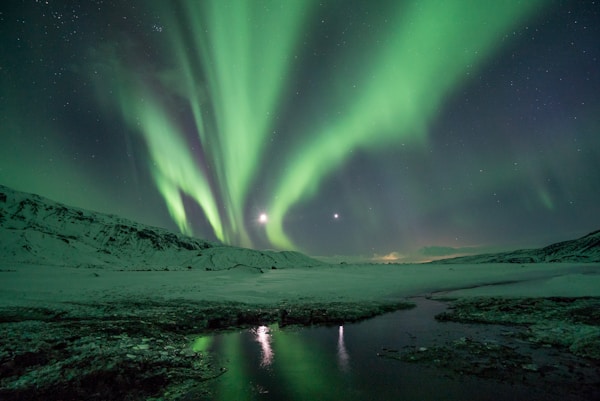
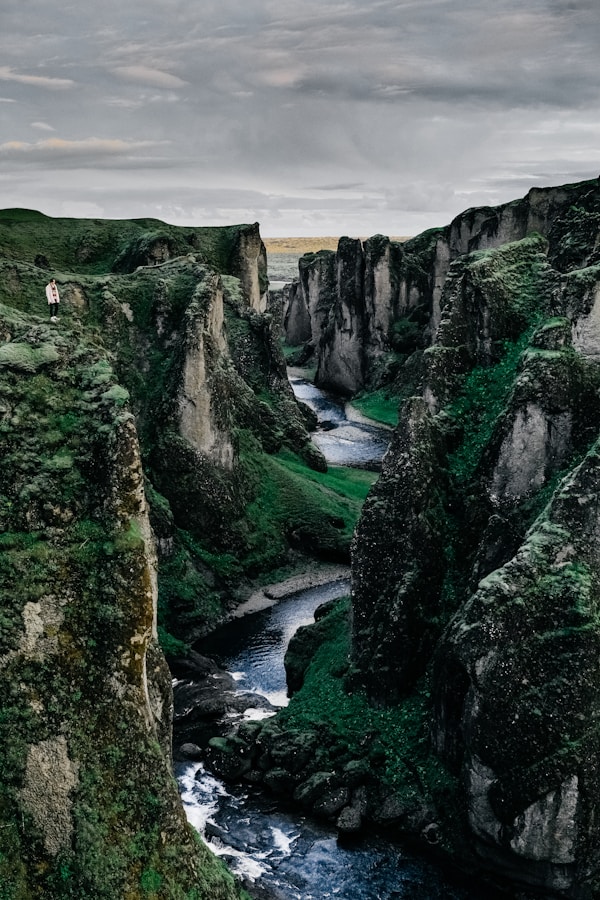
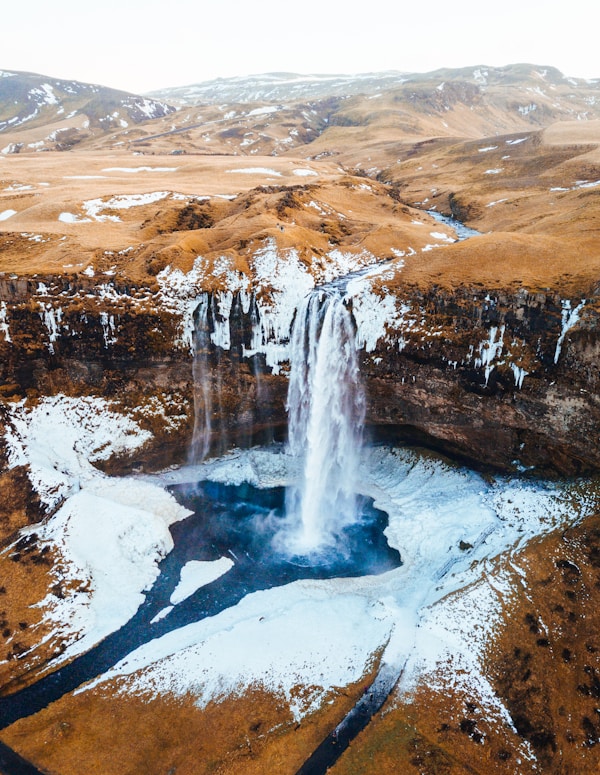
From the Blue Lagoon's geothermal waters to the dramatic landscapes of the Golden Circle, black sand beaches to ice caves, Iceland offers adventures that challenge and inspire at every turn.
Getting There
By Air
Keflavik International Airport, 45 minutes from Reykjavik, is the main gateway. Icelandair and other carriers offer connections to Europe and North America. Iceland is a popular stopover destination.
Visa Requirements
Iceland is part of the Schengen Area. Many nationalities enjoy visa-free access for up to 90 days. Check Schengen visa requirements for your country.
Best Time to Visit Iceland
The best time to visit Iceland depends on what you want to experience; summer adventures, winter wonders, or the northern lights.
- Summer (June-August): Midnight sun, warmest weather, all roads accessible, peak tourist season.
- Winter (November-March): SNorthern Lights viewing, ice caves, skiing, and magical winter landscapes.
- Shoulder Seasons: Spring (April-May) and Autumn (September-October) offer fewer crowds and unique seasonal experiences.
Top Attractions
Golden Circle
- Geysir geothermal area.
- Gullfoss waterfall.
- Secret Lagoon hot spring.
- Thingvellir National Park.
South Coast
- Black sand beach of Reynisfjara.
- Ökulsárlón Glacier Lagoon.
- Seljalandsfoss and Skógafoss waterfalls.
- Vatnajökull ice caves.
More Adventures
- Blue Lagoon geothermal spa.
- Northern Lights tours.
- Snæfellsnes Peninsula.
- Whale watching in Húsavík.
Icelandic Cuisine
Icelandic cuisine is deeply rooted in the island's geography and history, with a strong emphasis on fresh, local ingredients primarily from the sea and sheep farming. Must-try dishes include:
- Dairy: Dairy products, especially skyr (a thick, creamy Icelandic yogurt), are widely consumed and beloved in Iceland.
- Fresh Seafood: Fish is a mainstay, with many dishes showcasing fresh catches. Preservation methods like drying and fermenting were historically important due to Iceland's harsh climate.
- Kleinur: These traditional Icelandic pastries are a type of twisted doughnut, lightly sweetened and typically flavoured with cardamom. The twisted shape is created by cutting and twisting the dough before frying.
- Lamb Dishes: Icelandic lamb is renowned for its flavour, often attributed to the sheep's natural grazing on wild herbs and grasses. Popular lamb dishes include hangikjöt (smoked lamb), which is a traditional delicacy.
- Pylsur: These famous Icelandic hot dogs include lamb along with pork and beef, giving them a distinctive flavour that stands out even with various condiments.
- Plokkfiskur: Traditional fish stew. Other unusual items include fermented shark (hákarl) and puffin.
Getting Around Iceland
Iceland's road system is extensive and generally easy to navigate, with the main artery being Highway No. 1, known as the Ring Road. This route circles the island and connects most of the major regions and popular tourist attractions.
- Bus Tours: Day tours and multi-day packages are available from from Reykjavik, for must-see spots like the Golden Circle and South Coast.
- Public Buses: For budget travellers, public buses provide a way to get around without a car. They cover many routes, including airport transfers and some popular destinations.
- Rental Car: Renting a car is one of the most popular and flexible ways to explore Iceland, especially if you want to travel at your own pace and visit off-the-beaten-path locations; with 4x4 recommended for highlands.
- Taxis and Transfers: Taxi services and airport transfers exist but can be expensive. Many hotels do not offer free shuttles, so this can add to travel costs within Reykjavik or from the airport.
- Walking: Reykjavík is small and easy to get around. Many attractions in the capital are best explored on foot.
Practical Tips
- Book accommodations well in advance during summer.
- Check road conditions daily on the road.is website.
- Most businesses accept cards, even for small purchases.
- Northern Lights are best viewed on clear nights from September to April.
- Petrol stations can be far apart, so be sure to fuel up regularly.
- Respect nature - stay on marked paths and designated areas.
- Tap water is pure and free - no need to buy bottled.
- Weather changes rapidly - dress in layers.
Regional Travel Guides
Iceland travel guides written by people in the know - a community of expats, Icelandic locals and regular visitors to Iceland.

Travel writers and photographers are invited to join our team of travel content creators.