Overview
Greece greets travellers with a potent combination of ancient history, stunning island landscapes, and warm Mediterranean hospitality. This is where Western civilisation took root, where philosophy, democracy, and theatre were born, and where myths and legends still seem to whisper from every crumbling column and sun-bleached stone.
Yet Greece is far more than its glorious past; it's a living culture of passionate people, extraordinary cuisine, and landscapes that range from rugged mountains to some of the most beautiful beaches in the world.
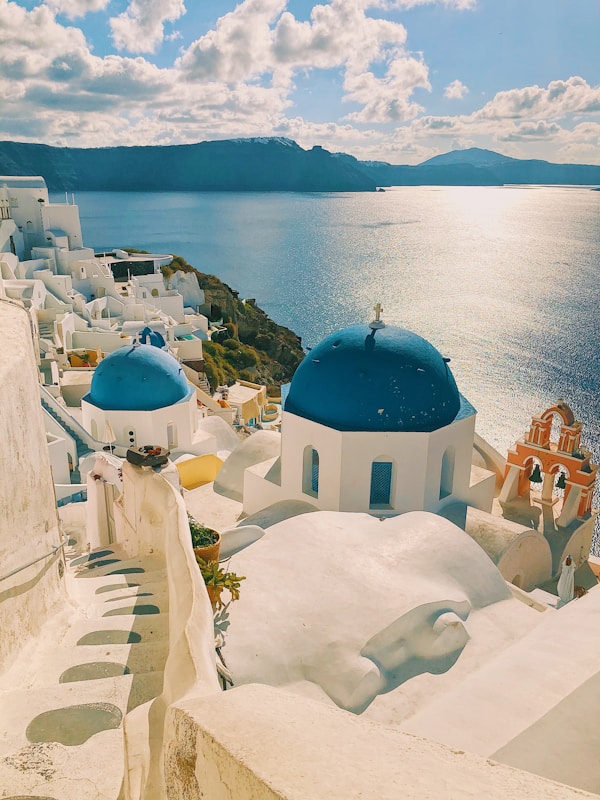
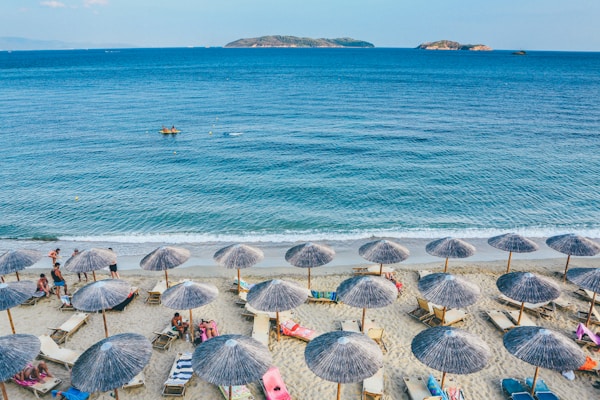
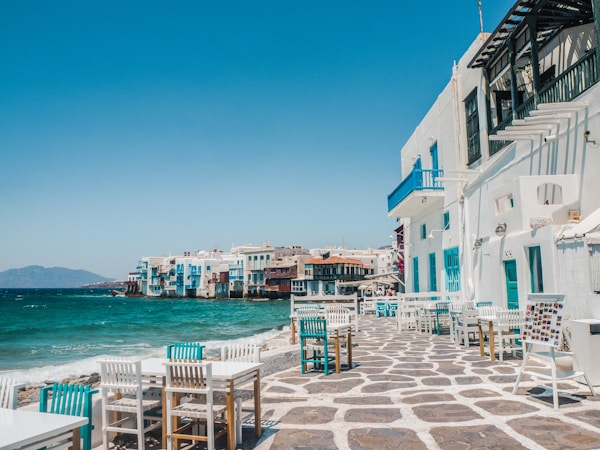
The Greek islands alone could occupy months of exploration, each with distinct character: Santorini's dramatic clifftop villages and volcanic beaches, Mykonos's legendary nightlife and whitewashed charm, Crete's ancient Minoan palaces and dramatic gorges, Rhodes's medieval fortifications, and countless quieter islands where traditional life continues largely unchanged.
The mainland offers its own treasures, from the monasteries of Meteora perched impossibly atop rock pillars to the Byzantine splendor of Thessaloniki and the mountainous villages of the Peloponnese.
Greek culture revolves around 'philoxenia'; a profound tradition of hospitality toward strangers. This spirit manifests in leisurely meals that stretch for hours, spontaneous celebrations with music and dancing, and genuine warmth from locals who take pride in sharing their heritage. The pace of life follows Mediterranean rhythms: late lunches, afternoon siestas, and dinners that begin after sunset and extend well into the night.
Getting There
By Air
Athens International Airport (ATH) serves as Greece's primary gateway, with direct flights from major European, Middle Eastern, and some North American cities. Thessaloniki (SKG) in northern Greece also handles international flights. During summer, many islands have direct international connections, especially Santorini, Mykonos, Crete, Rhodes, and Corfu. Budget carriers like Ryanair and easyJet offer competitive fares from European cities.
By Land
Greece shares borders with Albania, North Macedonia, Bulgaria, and Turkey. Bus and train services connect Greece with neighbouring countries, though routes can be lengthy.
By Sea
Ferry connections link Greece with Italy (Venice, Ancona, Bari, Brindisi) and Turkey. These can be scenic options for travellers with time. Numerous cruise ships include Greek ports in Mediterranean itineraries.
Visa Requirements
Greece is part of the Schengen Area. Citizens of the US, Canada, UK, Australia, New Zealand, and many other countries can visit visa-free for up to 90 days within a 180-day period for tourism. EU/EEA citizens can stay indefinitely. Always verify current requirements based on your nationality before travelling.
Best Time to Visit Greece
The ideal time to visit Greece is during late spring and early autumn. During these periods, you'll enjoy pleasant weather, fewer crowds, and a more relaxed atmosphere compared to the busy summer season.
- Spring (April-May): Ideal for mainland exploration and island hopping. Temperatures range from 15-25°C, wildflowers blanket hillsides, and Easter celebrations showcase Greek Orthodox traditions with passion. Archaeological sites are less crowded, and prices remain reasonable. Swimming is possible by late May, though water temperatures are still cool.
- Summer (June-August): Peak tourist season brings guaranteed sunshine, warm seas perfect for swimming, and vibrant nightlife on party islands like Mykonos and Ios. However, temperatures can exceed 35°C, especially in Athens and inland areas. Popular islands become crowded and expensive. The meltemi winds provide cooling breezes in the Aegean. Book accommodations and ferries well in advance.
- Autumn (September-October): Many consider this the perfect time to visit Greece. Seas remain warm from summer heating, crowds dissipate after mid-September, and prices drop significantly. Weather stays reliably sunny and pleasant. By late October, some island services begin closing for winter, and ferry schedules reduce.
- Winter (November-March): Off-season sees many island hotels and restaurants close, and ferry services reduce dramatically. However, Athens, Thessaloniki, and mainland destinations remain accessible with fewer tourists. Ski resorts in the mountains open. This is the time for authentic experiences away from tourist crowds, though weather can be rainy and some archaeological sites have reduced hours.
Top Attractions by Region
Athens
- Modern Athens pulses with street art in Exarcheia, rooftop bars in Monastiraki, and evolving neighbourhoods like Psyrri.
- The Acropolis dominates the city skyline, its Parthenon standing as antiquity's most recognisable monument.
- The Acropolis Museum showcases sculptures and artifacts with stunning views of the ancient citadel.
- The Ancient Agora, Temple of Olympian Zeus, and Panathenaic Stadium connect visitors to classical glory.
- Wander the Plaka district's narrow streets lined with tavernas and shops.
Corfu & Ionian Islands
- Corfu Town's elegant arcades, fortresses, and Old Town maze enchant visitors.
- Kefalonia's Myrtos Beach ranks among Europe's most beautiful.
- Lush green landscapes contrast with drier Aegean islands.
- The Ionian Islands west of mainland Greece show Venetian and British influences distinct from Aegean culture.
- Zakynthos's Navagio Beach and shipwreck attract photographers worldwide.
Crete
- Chania and Rethymno display Venetian architecture and harbour charm.
- Greece's largest island offers remarkable diversity.
- Mountain villages maintain traditional life, famous for hospitality and cuisine.
- Pink-sand Elafonissi Beach and the palm-lined beach at Vai showcase natural beauty.
- Samaria Gorge provides spectacular hiking through dramatic landscapes.
- The Minoan palace of Knossos near Heraklion reveals Europe's oldest civilisation.
Delphi
- Ancient Greeks considered Delphi the centre of the world, home to Apollo's oracle.
- The archaeological site sprawls across dramatic mountain slopes overlooking olive groves and the Gulf of Corinth.
- The museum houses the famous Charioteer sculpture and other treasures.
- The setting alone justifies the visit.
Lesser-Known Greek Islands
- Beyond the famous destinations, dozens of quieter islands reward adventurous travellers.
- Folegandros maintains traditional character with dramatic clifftop villages.
- Milos showcases volcanic geology with colourful rock formations and hidden coves.
- Naxos offers Venetian architecture, ancient ruins, excellent beaches, and mountain villages producing renowned cheeses.
- Paros balances tourism with authenticity, famous for marble quarries and charming ports.
Meteora
- Eastern Orthodox monasteries balance atop towering rock pillars, creating one of Greece's most extraordinary sights.
- Hiking trails connect viewpoints and monasteries.
- Six monasteries remain active and open to visitors (dress modestly).
- The rock formations themselves, sculpted over millennia, inspire wonder.
Mykonos
- Cosmopolitan Mykonos balances traditional Cycladic architecture with legendary nightlife and luxury beach clubs.
- Paradise and Super Paradise beaches host beach parties.
- The nearby sacred island of Delos, Apollo's mythological birthplace, preserves extensive Greco-Roman ruins accessible by short boat trip.
- Windmills and Little Venice provide iconic photo opportunities on Mykonos.
Peloponnese
- This peninsula contains an extraordinary concentration of historical sites.
- Ancient Olympia hosted the original Olympic Games.
- Epidaurus's ancient theatre demonstrates perfect acoustics.
- Mountain villages like Dimitsana and Stemnitsa offer authentic experiences.
- Mycenae's Lion Gate and beehive tombs reveal Bronze Age power.
- Nafplio's Venetian fortresses and harbour charm make it one of Greece's most romantic towns.
- The Byzantine ghost town of Mystras cascades down a mountainside.
Rhodes
- The ancient Acropolis of Lindos dramatically tops a clifftop above a picturesque village and twin bays.
- The medieval Old Town, a UNESCO World Heritage site, preserves Crusader-era fortifications and atmospheric cobbled streets.
- Valley of the Butterflies and ancient Kamiros offer natural and archaeological interest.
Santorini
- Ancient Akrotiri preserves a Minoan Bronze Age settlement buried by eruption.
- Black, red, and white sand beaches on Santorini result from volcanic activity.
- Oia's blue-domed churches and whitewashed buildings clinging to cliffsides attract sunset crowds.
- The volcanic island's caldera creates one of the world's most photographed landscapes.
- Wine tasting at clifftop wineries showcases unique volcanic varietals.
Thessaloniki
- Greece's second city offers Byzantine churches, Ottoman architecture, vibrant waterfront promenades, and a thriving food scene that rivals Athens.
- Museums house treasures from Macedonian royal tombs.
- The Ano Poli (Upper Town) preserves traditional architecture and offers panoramic views.
- The White Tower symbolises the city, while the Rotunda and Arch of Galerius showcase Roman grandeur.
- Thessaloniki's café culture and nightlife reflect a younger, more bohemian vibe than Athens.
Greek Cuisine
Greek cuisine emphasises fresh, seasonal ingredients, quality olive oil, and simple preparations that allow natural flavours to shine. Meals are social affairs meant for lingering conversation.
- Feta Cheese: True feta comes only from Greece, made from sheep's milk or sheep-goat blends. Beyond salads, try it baked with honey and sesame, or in spanakopita (spinach-feta pie wrapped in phyllo).
- Fresh Seafood: Coastal tavernas display daily catches on ice. Sselect your fish, which is grilled simply with lemon and olive oil. Octopus, calamari, sea bream, and sea bass are standards. Prices are typically by weight.
- Greek Coffee & Drinks: Thick, strong Greek coffee is sipped slowly from small cups. Freddo cappuccino and freddo espresso provide modern caffeinated refreshment. Ouzo (anise-flavuored spirit) and tsipouro (grape-based spirit) accompany mezze. Greek wines, particularly Assyrtiko from Santorini and Agiorgitiko from Nemea, deserve exploration..
- Greek Salad (Horiatiki): The authentic version contains tomatoes, cucumbers, onions, peppers, olives, and a slab of feta drizzled with olive oil; no lettuce. Best enjoyed with crusty bread to soak up the juices.
- Greek Sweets: Baklava's layers of phyllo, nuts, and honey syrup are ubiquitous. Galaktoboureko features custard in phyllo. Loukoumades are honey-drizzled fried dough balls. Yogurt with honey and walnuts provides a lighter option.
- Mezze Culture: Greek dining revolves around sharing small plates. Tzatziki (yogurt, cucumber, garlic), melitzanosalata (eggplant dip), taramosalata (fish roe spread), dolmades (stuffed vine leaves), and saganaki (fried cheese) begin most meals. Order several to share, family-style.
- Moussaka: Greece's signature dish layers eggplant, spiced meat sauce, and béchamel, baked until golden. Every taverna has its version, and Greeks debate endlessly about whose grandmother made it best.
- Souvlaki & Gyros: Greece's beloved street food features grilled meat skewers (souvlaki) or spit-roasted meat (gyros) wrapped in pita with tomatoes, onions, and tzatziki. Quick, cheap, and satisfying, especially after late nights.
Getting Around Greece
Greece's island geography creates unique transportation considerations. Planning connections between destinations requires attention to ferry schedules and seasonal variations.
- Athens Metro & Public Transit: Athens has an efficient metro system connecting the airport to the city centre and major sites. Buses and trams supplement the metro. Purchase tickets before boarding and validate them. The system is modern, safe, and affordable.
- Buses (KTEL): Greece's intercity bus network (KTEL) is extensive and economical. Buses connect most mainland towns and serve larger islands comprehensively. Comfort and punctuality vary. Tickets are purchased at bus stations or sometimes on board.
- Car Rental: Essential for exploring mainland sites and larger islands like Crete. Roads range from modern highways to narrow mountain tracks. Greek driving can be assertive; so stay alert. International driving permits are recommended but not always required. Many islands are small enough that ATVs or scooters suffice, though these can be dangerous on rough roads.
- Domestic Flights: Olympic Air and Aegean Airlines connect Athens with major islands and Thessaloniki. Sky Express serves additional island routes. Flights are quick but can be expensive during peak season. Book early for better fares. Small planes on some routes have strict baggage limits.
- Ferries: The ferry network connects mainland ports (Piraeus, Rafina, Lavrio) with dozens of islands. High-speed catamarans cut travel time but cost more than conventional ferries. Schedules vary dramatically by season; summer offers frequent connections, while winter services are minimal. Blue Star Ferries, SeaJets, and Hellenic Seaways are major operators. Book tickets online in advance during summer. Delays due to weather (especially meltemi winds) are common.
- Inter-Island Ferries: Some islands connect directly to neighbours, but many routes require returning to mainland ports or major hubs like Mykonos, Santorini, or Rhodes. Check schedules carefully when planning multi-island itineraries.
- Taxis & Ride-Sharing: Taxis are metered in cities but you may need to negotiate fixed rates for longer trips. Ensure the meter runs or agree on price beforehand. Uber operates in Athens but is limited. In islands and smaller towns, taxis often have set fares for common routes.
- Walking & Hiking: Greek islands and archaeological sites are best explored on foot. Ancient footpaths connect villages on many islands. Wear sturdy shoes for uneven terrain. Always carry water, especially in summer heat.
Practical Tips
- Archaeological Site Hours: Most sites open early (8am) and close by late afternoon (3-8pm depending on season). Buy tickets online when possible to avoid lines at popular sites like the Acropolis. Many offer reduced admission on specific days.
- Beach Etiquette: Many organised beaches charge for sunbeds and umbrellas (€5-15), which usually includes access to beach facilities. Free beaches exist but may lack amenities. Topless sunbathing is common and accepted on most beaches.
- Cash Culture: While cards are increasingly accepted, many smaller tavernas, shops, and accommodations prefer cash, especially on islands. ATMs are widely available but can run out of cash on smaller islands during peak season.
- Dining Schedule: Greeks eat late; lunch from 2-4pm, dinner rarely before 9pm. Tourist restaurants accommodate earlier dining, but authentic tavernas follow local rhythms.
- Electrical Adapters: Bring European-style adapters (Type C). Some islands experience power fluctuations or occasional outages during peak summer demand.
- Ferry Flexibility: Always have backup plans for ferry travel. Weather cancellations occur, especially with high-speed boats. Allow buffer time before international flights. Check schedules frequently as they may change at short notice.
- Haggling: Bargaining is uncommon in established shops but acceptable in some markets and when negotiating accommodation during off-season. Always be polite and good-humoured.
- Learn Basic Greek: 'Kalimera' (good morning), 'efharisto' (thank you), 'parakalo' (please/you're welcome), and 'yamas' (cheers) go a long way. Greeks appreciate attempts to speak their language, even if just a few words.
- Modest Dress for Churches: Cover shoulders and knees when visiting churches and monasteries. Some provide wraps, but bring your own to be safe. Photography may be restricted inside.
- Siesta Respect: Most shops and businesses close from approximately 2-5pm for afternoon rest. Plan sightseeing and shopping around these hours. Restaurants typically close between lunch and dinner service.
- Tipping Customs: Not as obligatory as in some countries, but appreciated. Round up bills or leave 5-10% for good service. Small change for coffee or drinks is standard.
- Water Safety: Tap water is generally safe in cities and most islands, though some islands have brackish water. Bottled water is inexpensive and widely available.
Regional Travel Guides
Greece travel guides written by people in the know - a community of expats, Greek locals and regular visitors to the Greek Islands.
Travel writers and photographers are invited to join our team of travel content creators.