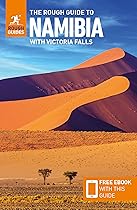
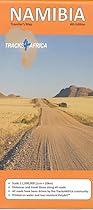
Exploring the varied regions of Namibia.
Central Region
Situated in Namibia's central highlands, Windhoek, the capital, is an
attractive city surrounded by clusters of hills and the impressive Auas and Eros
mountains.
Namib Region
The Namib-Naukluft Park, covering over 49 768 km is not only the
largest nature conservation area in Namibia, but it is rated as the fourth largest in the
world, as well as being the most unusual.
Northern Region
The Etosha National Park is one of the major sanctuaries for wildlife
in Africa and was proclaimed a game reserve by German Governor von Lindequist in 1907.
Southern Region
The semi-arid southern region consists of sun-baked savannah with its
yellowish-brown tints and characteristic euphorbia and aloe plant species. It has a stark
beauty which creates its own mystery.
Damaraland
The rock engravings at Twyfelfontein and one of the world's most
important game parks - Etosha National Park.
Sossusvlei and the Namib Dessert
The shifting sand dunes of Sossusvlei, the ancient gorge at Sesriem
Canyon and the vast wilderness of the Namib Desert. Includes driving tips.
Swakopmund and the Skeleton Coast
Visit the graceful old German seaside town, the seal colony at Cape
Cross and the treacherous Skeleton Coast.
A permit is required to enter the
Skeleton
Coast National Park and you must buy this in Swakopmund or Windhoek first.
Namibian Cities:
The capital of Namibia is Windhoek.
Namibian Wildlife:
Wildlife areas, photo safaris, and trophy hunting.
Add a Business Listing - Add a Destination Guide - Add a Place to Stay.
 If you find Travel Notes useful, please take a moment to like us on
Facebook and share with your friends on social media. If you find Travel Notes useful, please take a moment to like us on
Facebook and share with your friends on social media.
Africa Index - Africa Tourism
- Africa Travel Websites.
|