 Angola Resources on Travel Notes

.
Travel Notes: Africa: Angola Travel Notes - Angola Resources.

Angola Embassies, Media, Language and Culture
Angola is at an important turning point in its history. After decades of war and strife, Angolans are now at peace and working to build a stable, democratic and free market republic. Share on Facebook
Angola Background
The first inhabitants of the area that is now Angola are thought to have been members of the hunter-gatherer Khoisan group.

 Add a Business -
Add a Location -
Add a Lodging - Add Travel Content
- Add URL
- Travel Services.
Add a Business -
Add a Location -
Add a Lodging - Add Travel Content
- Add URL
- Travel Services.
Mapping Angola
Where is Angola
Angola is located on the Atlantic Coast of Southern Africa between Democratic Republic of The Congo and Namibia.

Angola also shares a border with Republic of Congo and Zambia.
Angola Government, Embassies and Media
Angola Embassies
Embassy of the Republic of Angola in Canada:
The Angolan Embassy is located at 189 Laurier Av. East in Ottawa, Ontario.
Embassy of the
Republic of Angola in London:
22 Dorset Street, W1U 6QY.
Embassy of The Republic of Angola in Washington, DC:
The Official Web Site of the Republic of Angola, in Washington DC.
Business in Angola
Established in 1990, the US-Angola Chamber of Commerce is an independent, non-for-profit, corporate membership organization mandated to promote trade and investment between the United States and the Republic of Angola.
Government of Angola
The Republic of Angola's official government portal is available at Governo de Angola.
News From Angola
The Angola Press Agency was created in July 1975, under the name of Agência Nacional Angola Press (ANAP).
In 1991, ANGOP opted for the issue of its work 24 hours a day, and also introduced innovations in editorial and technical plans.
If you're looking for local news in Portuguese, try the Journal de Angola.
Language and Culture
The official currency of Angola is the Kwanza.
Language
A commonwealth of Portuguese-speaking countries was formed on July 17th, 1996, to preserve the Portuguese language, co-ordinate diplomatic efforts, and improve co-operation among its members.
Angola, Brazil, Cape Verde, Guinea-Bissau, Mozambique, Portugal, and Sao Tome and Principe.
In addition to Portuguese, Angola has several national languages (dialects), the most spoken being: Kikongo, Kimbundo, Tchokwe, Umbundo, Mbunda, Kwanyama, Nhaneca, Fiote and Nganguela.
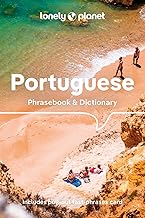
Portuguese for Travellers:
Teach yourself basic Portuguese before you travel to Cape Verde.
Culture
Visitors to Angola can view and purchase Angolan art pieces at the numerous art galleries that are becoming more and more commonplace in Luanda.
As with most African art, the wooden masks and sculptures of Angola are not merely aesthetic creations.
Kissama Foundation
The Kissama Foundation was founded in 1996 by a group of South Africans and Angolans who were concerned about the present state of Angola's National Parks and the conservation of the country's natural resources in general.



|
|

More From Travel Notes
Travel Notes Online Guide to Travel
Africa - Asia - Caribbean - Europe - Middle East - North America - Oceania - South America.

The Travel Notes Online Guide to Travel helps visitors plan their trip with country and city travel guides, local tourist information, reviewed web sites, and inspiring travel content.
Travel and Tourism Guides on Travel Notes
 If you find Travel Notes useful, please take a moment to
like us on Facebook and share with your friends on social media.
If you find Travel Notes useful, please take a moment to
like us on Facebook and share with your friends on social media.
Share on Facebook
Travel Resources
.
Travel & Tourism With Industry Professionals.